 Max 9min read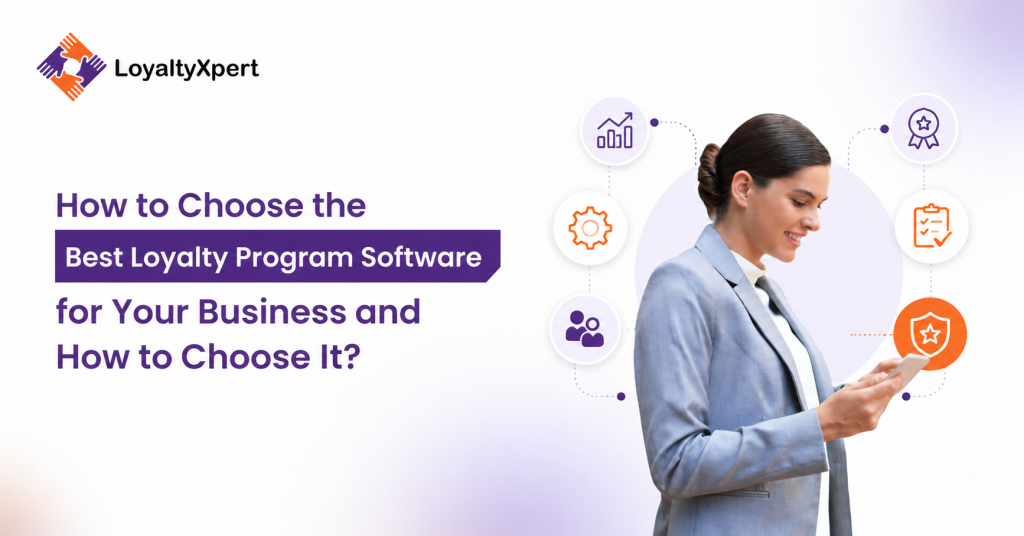
Choosing the right loyalty program software can have a significant impact on customer retention, repeat purchases, and long-term business growth. The wrong platform may result in low participation, limited engagement, and poor return on investment, while the right solution can help businesses build stronger relationships and increase customer lifetime value.
Today, businesses across industries use loyalty program software to automate rewards, track customer activity, personalize incentives, and manage engagement programs more efficiently. Whether you operate a manufacturing business, retail network, dealer ecosystem, service organization, or distribution channel, selecting the right platform requires careful evaluation.
This guide explains what loyalty program software is, the different types available, key features to consider, pricing factors, implementation best practices, and how to choose a solution that aligns with your business goals.
Navigating the Loyalty Software Environment
A loyalty management platform encompasses core functions that track customer behavior, manage rewards, and analyze program performance. Modern loyalty program software has evolved from simple point-tracking systems into sophisticated platforms that integrate with multiple business systems and provide comprehensive customer insights.
The core functionality includes member management, reward tracking, and program analytics. Advanced platforms offer additional capabilities like personalization engines, predictive analytics, and omnichannel integration. This evolution reflects changing customer expectations and technological capabilities.
Types of Loyalty Programs You Can Run with Loyalty Software
Before choosing a platform, it’s important to know which type of loyalty program best suits your business model. Most loyalty program software supports one or more of the following structures:
1. Points-Based Programs — Customers earn points for every purchase and redeem them for rewards. Simple to run and widely understood by customers. Best for: retail, e-commerce, F&B.
2. Tiered / VIP Programs — Customers move through tiers (Bronze, Silver, Gold) as they spend more, unlocking better rewards at each level. Best for: premium brands, hospitality, subscription businesses.
3. Cashback Programs — A percentage of every purchase is returned as cashback or store credit. Highly appealing to price-sensitive customers. Best for: retail, fintech, D2C.
4. Gamified Programs — Incorporates game-like elements such as challenges, badges, leaderboards, and milestone rewards to drive engagement. Best for: apps, online communities, youth-oriented brands.
5. Referral-Based Programs — Rewards customers for bringing in new buyers through referral codes or links. Best for: SaaS, D2C, service businesses.
6. B2B / Channel Loyalty Programs — Designed for manufacturers and brands that reward dealers, distributors, retailers, or influencers — not end consumers. Requires multi-level tracking and complex reward structures. Best for: manufacturing, FMCG, automotive, pharma.
Essential Features to Consider
Selecting the right loyalty program software requires understanding key features that drive program success. These capabilities determine how effectively the platform can meet business objectives while delivering engaging customer experiences. Let’s explore the critical components that form the foundation of effective loyalty solutions.
Program Management
The foundation of any loyalty program software centers on effective program administration. Modern platforms must provide robust point tracking capabilities that handle complex earning and redemption rules. Tier management functionality enables businesses to create differentiated experiences for various customer segments. Campaign creation tools allow for targeted promotions and offers, while comprehensive reporting provides insights into program performance.
Customer Engagement
Engagement features transform traditional loyalty programs into interactive customer experiences. Mobile accessibility has become essential, with customers expecting to manage their rewards through smartphones. Communication tools enable personalized messaging across multiple channels. Social media integration creates opportunities for viral promotion and community building.
Technical Aspects
The technical foundation of loyalty program software determines its effectiveness and scalability. Integration capabilities ensure smooth data flow between business systems. Security measures protect sensitive customer information while enabling necessary data access. Analytics tools provide insights that drive program optimization and business decision-making.
The combination of these features creates a robust platform capable of supporting sophisticated loyalty programs while maintaining operational efficiency. Understanding these core capabilities helps inform the selection process and ensures alignment with business needs.
Assessment Process
Evaluating business needs requires careful consideration of current operations and future goals. Objectives should align with broader business strategies while remaining achievable through available resources. Budget planning must account for both initial implementation and ongoing operational costs.
Technical requirements deserve special attention, particularly regarding integration needs and scalability demands. A thorough assessment helps identify essential features versus nice-to-have capabilities, informing the selection process.
Key assessment considerations:
- Current business processes and pain points
- Short and long-term program objectives
- Available financial resources
- Technical infrastructure requirements
- Staff capabilities and training needs
- Integration requirements
A systematic assessment process ensures proper alignment between business needs and selected solutions, increasing the likelihood of successful program implementation.
Selection Criteria
The user interface significantly impacts both staff efficiency and customer adoption. Implementation timelines must align with business schedules and resource availability. Support services should match organizational needs for both implementation and ongoing operations.
Platform reliability remains paramount, as program downtime can damage customer relationships and business operations. Cost structures should be transparent, with clear understanding of both immediate and long-term financial commitments.
Key selection factors to consider:
- Platform usability and adoption potential
- Implementation complexity and timeline
- Support availability and response times
- Customization depth and flexibility
- Total cost of ownership
- System reliability and uptime guarantees
These criteria form the foundation for effective platform evaluation and selection decisions.
Integration Considerations
Integration capabilities determine how well loyalty program software works with existing business systems. POS system compatibility ensures seamless reward tracking at checkout. CRM integration provides a complete view of customer relationships. E-commerce platform connections enable online reward earning and redemption.
Mobile requirements extend beyond basic app functionality to include features like digital wallet integration and location-based services. Third-party integrations expand program capabilities through specialized tools and services.
Essential integration points:
- POS systems and payment processors
- Customer relationship management platforms
- E-commerce websites and marketplaces
- Mobile applications and digital wallets
- Marketing automation tools
- Analytics platforms
Successful integration across these touchpoints ensures seamless program operation and data flow.
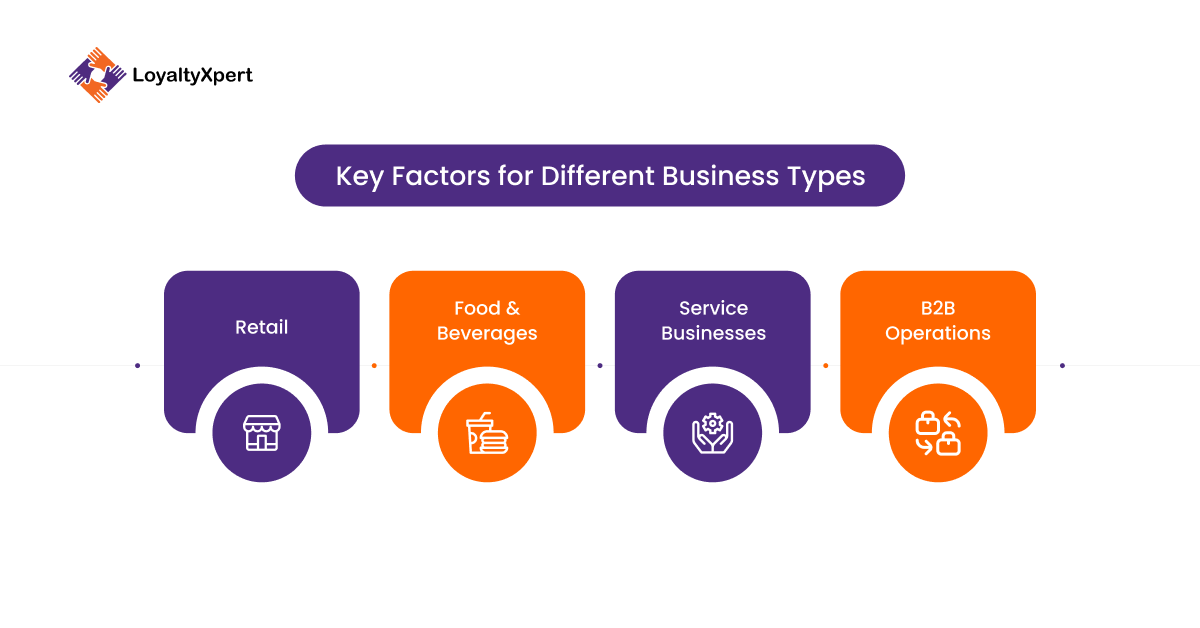 Key Factors for Different Business Types
Understanding industry-specific requirements helps identify the most suitable loyalty program software solution. Each sector presents unique challenges and opportunities that influence platform selection and implementation.
Retail: Retail businesses require robust inventory management features integrated with loyalty tracking. Multi-store capabilities ensure consistent program operation across locations. Customer tracking must work seamlessly across online and offline channels.
Food & Beverages: Restaurants need specialized features like table management and online ordering integration. Delivery services must connect smoothly with loyalty programs to ensure proper point attribution.
Service Businesses: Service industries require appointment scheduling tied to reward programs and detailed service history tracking.
B2B Operations: B2B companies face unique challenges requiring specialized features. Partner management tools handle complex relationship structures. Multi-level tracking capabilities support sophisticated B2B reward programs. Complex reward structures accommodate varied business relationships and purchasing patterns.
These industry considerations highlight the importance of selecting loyalty program software that aligns with specific sector requirements while maintaining flexibility for future growth.
Program Implementation and Management
The success of a loyalty program depends heavily on proper implementation and ongoing management. This phase requires careful coordination of multiple elements, from vendor selection to cost management. A systematic approach ensures smooth deployment while maximizing program effectiveness.
Vendor Evaluation
Software provider evaluation should examine company history and industry experience. Customer support quality directly impacts program success. Regular platform updates indicate ongoing development investment. Client testimonials provide real-world implementation insights.
Implementation Process
Successful implementation requires detailed timeline planning and resource allocation. Staff training ensures proper program operation and customer service. Data migration demands careful planning to maintain historical information. Testing procedures must verify all system components work correctly before launch.
Cost Analysis
Initial investment includes software licensing, implementation services, and training costs. Ongoing fees cover maintenance, support, and regular updates. ROI calculations should consider both direct program benefits and indirect advantages like improved customer insights.
Hidden costs might include integration development, additional hardware requirements, or premium feature access. Upgrade expenses should be anticipated and budgeted for future program expansion.
The success of implementation and management efforts depends on maintaining clear communication channels and establishing regular review processes. This ongoing attention ensures the program continues to meet business objectives while adapting to changing needs.
LoyaltyXpert Solutions
Our comprehensive loyalty management platform represents the culmination of extensive industry experience and technological innovation. We understand the challenges businesses face in building and maintaining customer loyalty, and our solution addresses these challenges through sophisticated yet user-friendly tools.
Core Platform Capabilities:
- Advanced reward tracking engines: Our intelligent tracking system handles complex earning rules, multiple currencies, and sophisticated redemption options while maintaining real-time accuracy across all channels.
- AI-powered personalization: Machine learning algorithms analyze customer behavior patterns to deliver highly personalized offers and communications that drive engagement and conversion.
- Multi-channel integration: Seamless integration across physical and digital touchpoints creates consistent customer experiences while simplifying program management.
- Real-time analytics: Comprehensive dashboards provide actionable insights into program performance, customer behavior, and ROI metrics.
- Secure cloud infrastructure: Enterprise-grade security protocols protect sensitive data while enabling necessary access and analysis capabilities.
- Mobile-first design: Intuitive mobile interfaces enhance customer engagement while simplifying program participation.
Implementation support includes dedicated project management and training resources. Success stories demonstrate significant improvements in customer retention and program ROI across industries. Our competitive advantage lies in combining powerful features with exceptional service and support.
Common Mistakes to Avoid
Program success often hinges on avoiding common implementation pitfalls. Feature overload can complicate program operation and confuse customers. Insufficient planning leads to integration challenges and operational disruptions. Poor integration limits program effectiveness and data utilization.
Critical mistakes to avoid:
- Overlooking staff training requirements
- Rushing implementation timelines
- Ignoring data quality issues
- Neglecting customer feedback
- Underestimating resource needs
- Failing to plan for scalability
Understanding and actively avoiding these common pitfalls significantly increases the likelihood of program success.
Suggest Read: Choose a Loyalty Software Provider That Fits For Your Business
Best Practices
Effective program design starts with clear objectives and measurable goals. Implementation strategy should follow proven methodologies while adapting to specific business needs. Staff training must cover both technical operation and customer service aspects.
Essential best practices include:
- Regular performance monitoring
- Continuous feedback collection
- Proactive customer communication
- Regular system updates
- Staff development programs
- Data-driven decision making
Following these best practices helps ensure sustained program success and customer satisfaction.
Making the Final Decision
Loyalty program software has become an essential tool for businesses looking to improve retention, increase engagement, and build long-term relationships with customers, dealers, distributors, and channel partners. The right platform not only automates rewards and program management but also provides valuable insights that help businesses make smarter decisions and improve loyalty outcomes.
By understanding your business objectives, evaluating key features, and selecting a scalable platform, you can create loyalty programs that deliver measurable results and sustainable growth. If you’re ready to see what the right platform looks like for your specific business, schedule a free demo, no commitment required. Our team will walk you through how LoyaltyXpert maps to your exact business model, integrations, and goals.