How to Build a Successful Channel Partner Program in South Africa?

In emerging competitive markets like South Africa, businesses should nourish their B2B channel partners to maintain a healthy relationship. Channel partner programs like loyalty programs work well to track the progress of channel partners and reward them based on that.

South Africa has shown a steady growth rate of 9% in the past from 2019 to 2023 in various business sectors. With a forecasted growth of over 11% for loyalty programs in 202, the country is expected to show successful participation in loyalty programs in the coming years as well.

Successful channel partner incentive programs incentivize the B2B channel partners for their value addition to the business. B2B brands can create long-lasting relationships with their channel partners and delight them through these loyalty programs.

This blog details the basics of channel partnership programs and steps to incentivize channel partners through loyalty programs for your business in South Africa. 

What Is A Channel Partner Program?

A channel partner program is designed to establish collaboration with external businesses. Businesses incorporate B2B channel partners such as retailers, distributors, agencies, and system integrators to ensure growth and expansion in new markets. 

A channel partner program details the structure of these business partnerships. The program often involves training, resource sharing, and incentives for the channel partners. Channel partnership programs are a mutually beneficial strategy with a proper loyalty program.
What Are The Benefits Of Channel Partner Programs

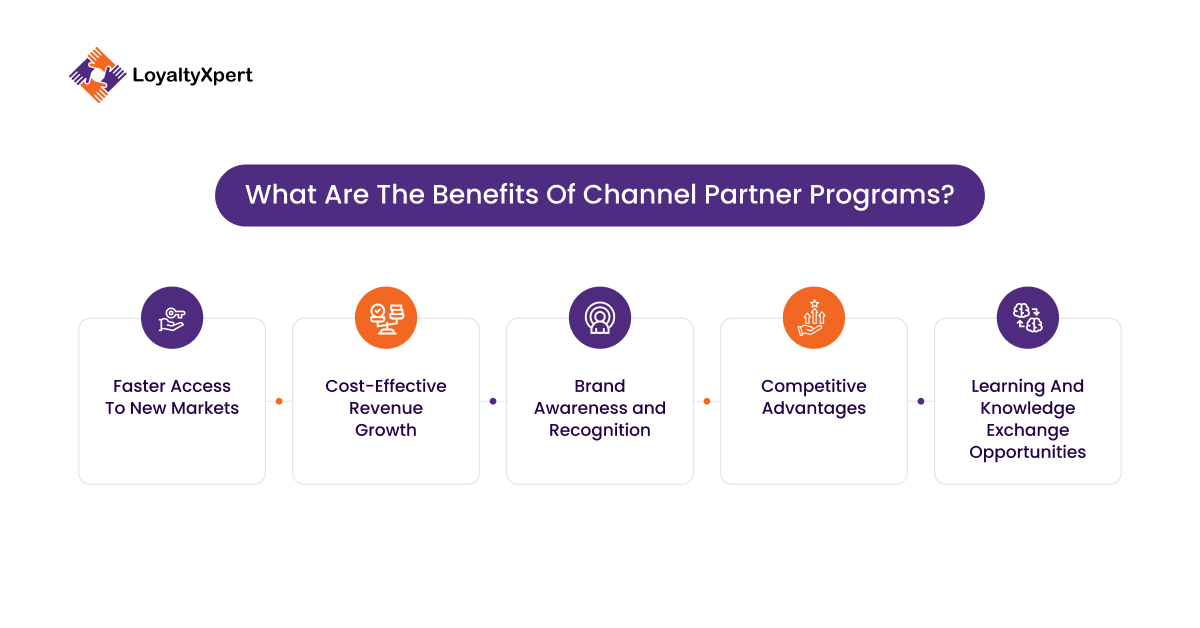
What Are The Benefits Of Channel Partner Programs?

Channel partners offer a range of benefits through B2B channel partner programs. From building brand awareness to reaching new customers, B2B channel partners bring many perks to businesses.

A few of the common benefits of channel partner programs are:

  1. Faster Access To New Markets: Businesses often gain quick access to markets through B2B channel programs. Smaller companies partnering with larger brands can easily tap into their customer base and geographical markets.
  2. Cost-Effective Revenue Growth: B2B channel partners offer their established resources such as sales and marketing channels to grow the business. Using the B2B channel partner’s streamlined channels can minimize the overhead cost of hiring and training new talents.
  3. Brand Awareness and Recognition: Brand Awareness and Recognition: Having large companies or well-known brands as channel partners helps achieve faster visibility for the new business. Such B2B channel partners can boost brand awareness which otherwise can be a slow process. The brand credibility that comes along with such partnerships is an added benefit of the channel partner program.
  4. Competitive Advantages: Partnering with reputed B2B channel partners creates credibility and reputation for the business in the new market. Such strategic channel partners help differentiate the new business from its competitors. Businesses can also leverage the customer loyalty of the established B2B channel partner.
  5. Learning And Knowledge Exchange Opportunities: Businesses can learn from the experience of their B2B channel partner and improve their knowledge base with valuable insights and best practices. This exchange of ideas can help both the partners to bring creative innovation to their business needs such as training programs and technical support.

Channel partners also enjoy monetary benefits through the channel partner programs. Businesses offer incentives, commissions, and rewards to their B2B channel partners to motivate them to bring more sales. Such types of channel partner incentive programs or loyalty programs are commonly used to sustain long-term channel partner programs.

The Role Of Channel Partner Incentives Programs

Channel partners are often incentivized for the sales they bring through loyalty programs. These incentive programs play several roles in strengthening channel partnerships.

  • Customer Retention Through Incentives

Loyalty programs help businesses incentivize channel partners by choosing the right type of program for their business goals. For example, a point-based loyalty program can attract new partners by offering redeemable points. A tier-based loyalty program can make long-term partners feel valued through exclusive benefits.

The success of a channel partner program depends on customer retention. Partners who accumulate rewards tend to stick with the same brand to benefit from future purchases. Incentives through loyalty programs such as monetary rewards, redeemable points, discounts, gifts, and exclusive events help build long-lasting partnerships.

  • Data-Driven Incentive Programs For Successful Loyalty Programs

The nature of a business decides the loyalty program that suits them. B2B loyalty programs differ from B2C loyalty programs mainly because of their target market. Therefore, loyalty programs must be structured carefully to reach their target markets.

Loyalty program management platforms specialized in modeling loyalty programs can make this process easy and seamless for businesses. Software like LoyaltyXpert provides critical features for designing channel partner incentive programs for B2B (and B2C) businesses. The loyalty program management software should be able to share the performance data from the Incentive programs to evaluate the program’s success.

Building a channel partner program and a partner incentive program can provide a competitive edge for businesses operating in South Africa. Businesses can reward their B2B channel partners to establish strong relationships and sustain loyalty in the South African market.

How To Build A Successful Channel Partner Program In South Africa?

While the emerging business environment of South Africa presents opportunities to develop a customized channel partner program, it can also be challenging. However, by following a few key steps, you can build a successful channel partnership program tailored to the South African market.

Step 1: Define the objectives and goals of the channel partner program

The first step for a successful channel program is a well-defined list of business objectives and goals.

  • Are you trying to open a new business in South Africa?
  • Are you looking to expand your business through B2B channel partners in South Africa?
  • Are you exploring new channel partners to expand to new markets within South Africa?

Clear business objectives will help you design a robust channel partner program that aligns with your target partners, creating a win-win situation.

Step 2: Identify the right channel partners

Depending on your business objectives and goals, you can choose the right partners to fulfill your business needs. Choosing the right channel partners can make or break your channel partner program.

For example, while choosing B2B channel partners, you should check if their offers match your business goals regarding product offering, reaching the target audience, market presence, etc.

To expand to the South African regional markets, you should choose a channel partner with a solid regional client network and a deep understanding of the local markets. A past track record of performance can also help you choose the right channel partners. You should always review the capabilities of your potential B2B channel partners to represent your business in the South African market.

Step3: Design an efficient channel partner incentive program

Once you’ve identified the right channel partners for your business, you should create a well-structured program detailing how you would interact with your B2B channel partners. A channel partner incentive program can help you develop ways to communicate with the partners at different stages.

You can analyze your business goals and create loyalty programs that reward partners based on performance, milestones, and exclusive non-monetary actions. Keeping an ongoing reward system alive will also encourage your channel partners to boost your business and accumulate more rewards.

Step 4: Onboarding and training the channel partners

After successfully onboarding the channel partners in your channel partner program, you should provide the necessary training and support to sell your products. This step can include knowledge sharing in different areas, such as sales tactics, marketing strategies, best practices, etc.

Along with incentivizing the channel partners for their achievements, you should continue to support their efforts to sell your products. Regarding the business environment in South Africa, you should share your expectations from the market and take the learnings from the channel partners.

Step 5: Use Technology to modify the channel partner program

Using advanced software to strategize your channel partner program helps you streamline your channel program. These platforms can track your partner’s performance and automate the reward system. You can use the performance data points to improve communication between your B2B channel partners

You can analyze the performance of your channel partner program by regularly monitoring the KPIs. Metrics like sales growth, customer acquisition rates, and partner satisfaction scores can help you measure its success rate.

Based on the reports from the loyalty program software and loyalty software management platform, you can readjust the channel partner program to meet your business goals.

To Conclude

Building a channel partner program in South Africa presents a golden opportunity for businesses to grow in an emerging market. With careful selection of channel partners, meaningful support, and leveraging loyalty management platforms, companies can build a successful channel partner program in South Africa.

Loyalty program software like LoyaltyXpert offers all the essential features to design an effective channel incentive model tailored to your business needs. By clicking on become a channel partner, you can explore how our advanced loyalty management platform can drive growth and enhance your channel partnerships. Start your journey with LoyaltyXpert today and unlock the potential for business success!
How to Design a Successful Loyalty Program for Cosmetics Brands?

The beauty and cosmetics industry thrives on building deep, personal connections with consumers, where customers don’t just buy products—they become part of a brand’s story. This dynamic relationship is strengthened by loyalty programs that reward more than just purchases. Brands now create reward systems that engage customers in various ways, from interacting on social media to advocating for their favorite products.

Brands can use loyalty programs to achieve their marketing goals in different funnels. They can grow their loyal customer base and increase customer retention using their cosmetics loyalty programs. These programs notify customers about new product launches and promotions providing quick reach to a targeted user persona. A Cosmetics loyalty program relies heavily on personalization, offering unique rewards tailored to long-time customers while attracting new ones with enticing incentives.

In this blog, we’ve designed a comprehensive guide to understand all about creating a loyalty program in the cosmetics industry covering different segments of the process in detail. 

To start with, let’s explore how a loyalty program works in the beauty and cosmetics industry.

How Do Cosmetic Loyalty Programs Work?

Beauty and cosmetics products are highly personalized depending on different parameters like skin type, hair texture, and more. To understand these requirements and meet these needs, most brands rely on their mobile and web applications.

The reward system in most cases gets initiated just by interacting with the brand such as downloading the app or engaging with the brand on social media platforms. Enrolling steps for a loyalty program software is as simple as signing up through the brand’s website, app, or in-store works as the first step. The customers receive instant rewards for these actions either in the form of redeemable points or discounts or they’ll be offered a seat in a specific tier of the bespoke brand communities.

Here starts the customer’s journey with the brand where most of their actions such as purchases and reviews are rewarded with exclusive benefits. These benefits are also highly personalized with early access to product launches, birthday gifts, and invites to exclusive events. 

Such perks encourage customers to build a strong community around the brand and also offer a loyal customer base for the brand. In most cases, these communities turn into social advocates for the brand as well. Additionally, a loyalty management platform helps brands track customer data, manage rewards, and create personalized experiences based on purchasing behavior and preferences.

A McKinsey survey shows over 60% of loyalty program members are more likely to purchase more from the brand once they subscribe to the program. A key factor for a successful loyalty program is choosing the right type of customer loyalty program for your brand.

Types of Cosmetic Reward Programs

There are 4 types of loyalty programs that have worked well in the beauty and cosmetics industry.

  1. Points-Based Programs: One of the most common types of loyalty programs is a point-based program that rewards customers with points for every purchase or action which can be later redeemed for discounts or products. This encourages the customers to make frequent purchases or refer the products to more people. One good example of this model is the MAC Cosmetics’ Lover Program. The brand rewards customers with points for every purchase, which can be redeemed for free products, early access to new collections, and exclusive discounts.}
  2. Tiered Loyalty Programs: Who doesn’t like to celebrate their achievements? Tiered loyalty programs in cosmetics celebrate customers’ milestones of reaching certain spends by offering an exclusive membership to a certain level of the community with exclusive benefits. This sense of community encourages higher spending and fosters brand loyalty. This sense of exclusivity also makes it appealing to share about the brand on social media platforms. Sephora’s Beauty Insider Program uses a tiered system (Insider, VIB, and Rouge) where customers unlock better rewards the more they spend, such as free beauty classes, early access to new products, and exclusive sales.
  3. Value-Based Programs: Customer engagement is rewarded most in this type of loyalty program. Non-transactional actions of the customers, such as leaving reviews, sharing on social media, or referring friends are incentivized by the brands in this type of beauty and cosmetics loyalty programs. La Roche-Posay Preferred Rewards is a great example of this where the brand incentivizes customers to leave reviews, refer friends, and engage with the brand’s social media channels, fostering a community-driven loyalty experience.
  4. Paid or Subscription-Based Programs: This is a type of loyalty program where the customers pay a fee upfront to enjoy the premium benefits provided by the brand. The best outcomes for this model are seen when there is a parity between the subscription cost and benefits offered by the brand to the members in such cosmetics loyalty programs. Amazon Prime’s Beauty Program gives beauty lovers early access to products, exclusive deals, and free shipping for a subscription fee which is a great example of this subscription-based cosmetics loyalty program.

Despite the high rate of success stories of loyalty programs in the cosmetics industry, it is necessary to be well-educated on how to choose a loyalty program in 2024 by considering your brand’s needs and reputation. 

First, exploring the benefits a loyalty program can provide to your cosmetics brand’s success story is essential.

What are the Benefits of a Cosmetics Loyalty Program

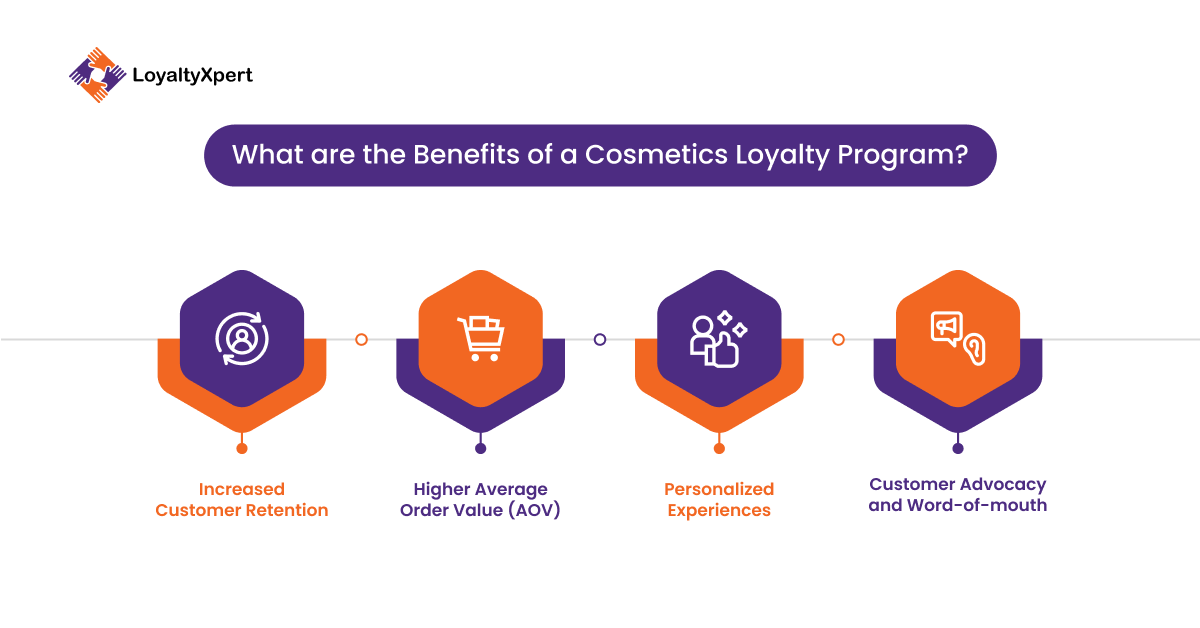
What are the Benefits of a Cosmetics Loyalty Program?

The key benefits of a cosmetics loyalty program include: 

  • Increased Customer Retention: A well-structured loyalty program incentivizes customers to keep coming back, reducing customer churn and improving lifetime value.
  • Higher Average Order Value (AOV): Rewarding customers for spending more encourages higher purchase amounts, as customers are motivated to unlock better rewards.
  • Personalized Experiences: By leveraging customer data, brands can offer personalized rewards and recommendations, fostering a deeper connection with the brand.
  • Customer Advocacy and Word-of-mouth: Loyal customers become brand advocates, sharing their experiences and bringing in new customers through referrals and recommendations.

With customers creating a community around the brand and making an emotional connection with the brand, they expect more than just products in return for their loyalty to the brand. A simple step like gifting a customer on their birthday can make them feel special and strengthen these relationships. Besides, loyalty programs have become a way for beauty brands to provide exceptional value and exclusive experiences to maintain a loyal customer community.

When it comes to communities, influencers play a major role in reaching specific demographics. Influencer loyalty programs in the cosmetics industry have emerged as a powerful model for the same reason. They often offer an expansion of brand reach and brand credibility.

How Does an Influencer Loyalty Program Work?

Influencer-led loyalty programs rely on rewarding influencers for their ability to promote the brand, drive sales, and engage with their followers. Influencer loyalty programs focus on the influencer’s impact on their audience rather than purchase behavior.

In influencer cosmetics loyalty programs, influencers help brands with their content creation. Such user-generated content shares about their experience with the brand, news about exclusive deals, and product launches. While the brands gain visibility from the influencer’s loyal followers, influencers earn rewards through affiliate referrals, social media engagement, and content creation.

Cosmetics brands can tap into a larger new audience leveraging the followers/subscribers of the influencer via this content. The loyal follower base of the influencer helps the brand promote products using organic and trusted endorsements. This model also helps with higher engagements and greater visibility. All of these factors help with brand awareness and can be tracked to measure the impact of the campaign. 

Depending on the software and platforms involved in these influencer loyalty programs, it is easy for brands to track performance metrics such as follower engagement, content shares, and sales generated through influencer promotions. Based on these metrics, influencers are incentivized with free products, exclusive collaborations, or monetary partnerships.

How to Decide on an Influencer Loyalty Program?

Influencer-led loyalty programs reach a targeted audience faster since their followers are based on a core-value system or stand for a unique cause. When deciding on an influencer loyalty program, choosing influencers that align with your brand values matters a lot.

For example, if inclusivity is one of the highlighted values of the brand, working with influencers from diverse backgrounds will suit you better to create brand authority and boost your loyalty programs further. Additionally, there are other loyalty program strategies that can help you create an effective loyalty program for your cosmetics brand.

When it comes to the success and efficiency of your loyalty program, the right technology can make or break your campaign. Loyalty program software serves as the most important pillar of your campaign. Loyalty program software enables brands to manage customer data, track reward points, and personalize the customer experience.

How Does a Loyalty Program Software Work?

A loyalty program software takes care of the vitals of your cosmetics loyalty program such as customer data, manages reward points, and offers personalized rewards. Platforms like LoyaltyXpert offer specialized features such as tier management, influencer engagement tools, and data-driven personalization. These features help in various ways such as:

  • Creating customizable tiers that can distribute different rewards and benefits for customers in different tiers.
  • Provide real-time data tracking that tracks customer purchases and engagement to offer quick personalized recommendations to the customers.
  • Plug-in Influencer integrations that track influencer metrics and automate rewards based on their promotional efforts.

Choosing an efficient loyalty management platform makes your cosmetics reward system easy and clutter-free. It will be one of the most important decisions you make in the successful execution of your campaign. 

How to Choose a Loyalty Management Platform for Your Cosmetic Reward Program?

Loyalty management platforms decode the performance of your loyalty program and play a critical role in the evaluation of your campaign. Choosing the right loyalty management platform therefore is critical to the success of your cosmetic rewards program. Here are some key factors to consider while choosing a loyalty management platform:

  • Customization: Make sure the platform offers all the customization options that align with your brand’s unique needs, from personalized rewards to branded interfaces.
  • Scalability: Ensure the platform can grow with your brand, whether you plan to expand globally or integrate new features in the future.
  • Integration Capabilities: Your existing e-commerce systems, CRMs, and other tools should be able to integrate with the loyalty management platform and work seamlessly.
  • Analytics and Reporting: Provide detailed analytics such as real-time data on customer behavior, sales, and engagement.
  • Influencer Management: The software should include tracking and performance metrics for influencer-follower engagement.

Ready to Launch Your Loyalty Program?

There are several success stories in the beauty and cosmetics industry using loyalty programs to establish brand value and build a loyal consumer community. With the right measures taken to execute your loyalty program, your cosmetics loyalty program can also meet the goals you’ve designed for your brand. We, at LoyaltyXpert are committed to crafting such successful loyalty programs with an easy and clutter-free software experience. To learn how LoyaltyXpert can help you create an effective cosmetics loyalty program, book a demo today!

How Carpenter Loyalty Programs Drive Sales and Brand Loyalty?

What do CenturyPly, Greenply, Godrej Locks, and National Plywood have in common? They’re not just multi-million-dollar companies, they also run a highly effective carpenter loyalty program. These programs are instrumental in expanding the market share and strengthening their brand presence.

Did you know that 79% of customers are more likely to recommend brands that run good loyalty programs?

If you’re a manufacturer of plywood, laminates, medium-density fiberboards (MDF), furniture, locks, or architectural fittings, partnering with the right carpenters and turning them into brand ambassadors can enhance your business success. To achieve this goal, you must understand your carpenters to design a reward program that truly resonates with them. 

At LoyaltyXpert, we specialize in creating well-designed and effective influencer loyalty programs, brand loyalty programs, and channel loyalty programs for diverse companies. In this comprehensive guide, we’ll explore the essential elements of a carpenter loyalty program and how to grow your business.

Carpenters: Your Most Valuable Influencers

Carpenters are undoubtedly the most influential figures for companies in the furnishing industry. They work directly with homeowners, real estate developers, and commercial builders. But wait, there’s more – carpenters don’t just install or craft products, they also influence material purchasing decisions in a significant way.

For instance, when individuals or businesses embark on construction projects, they hire carpenters for their expertise. That’s why they also rely heavily on the recommendations provided by the carpenters for purchasing materials. This places carpenters in a unique position as key influencers in the value chain.

By leveraging influencer loyalty programs, you can target carpenters to harness their influence to promote your products and increase sales. A well-designed loyalty program can boost brand loyalty among carpenters toward your brand. Want to explore the potential of a carpenter loyalty program? Let’s dive deeper.

Understanding Carpenter Psychology: The Key to Building Loyalty

Carpenters are practical artists who are dedicated to their craft. These artisans apply their craft to create functional pieces of art and take immense pride in their craftsmanship. Much like Steve Jobs’ famous analogy for Apple’s design philosophy that a good carpenter wouldn’t skimp on the quality of materials, even for the unseen parts in furniture – they value quality and durability in the products they work with. 

To design an effective carpenter loyalty program, you must understand the psychology of these skilled professionals and their mindset. 

Applying Maslow’s Hierarchy of Needs

Carpenters, like all individuals, have a hierarchy of needs as described by psychologist Abraham Maslow. Your carpenter loyalty program should address these needs at various levels:

  • Psychological and Safety: Offer rewards that contribute to financial security or tools that improve workplace safety.
  • Belongingness: Create a community of carpenters within your program.
  • Esteem: Recognize top performers and offer exclusive status tiers.
  • Self-actualization: Provide opportunities for skill development and 

Carpenters don’t just seek financial stability – they also aspire to be respected and recognized for their skills and craftsmanship. By designing a carpenter loyalty program that aligns with carpenters’ needs and aspirations, you enhance the effectiveness and engagement of your program.

In addition, it’s important to note that not all carpenters are motivated by similar rewards. While some may prefer cash incentives, others may value non-monetary rewards, such as:

  • Exclusive training
  • Certifications
  • Membership in elite tiers

Understanding these preferences will help you design a program with customized loyalty rewards that appeal to a broad spectrum of carpenters and build brand loyalty. Now that you understand what drives carpenters, let’s take a look at how you can harness their expertise.

Leverage Carpenters’ Expertise and Influence

Once you enroll the carpenters, you need to assess their expertise, experience, and skills. This information will enable you to tailor the rewards and incentives that acknowledge their level of expertise and contribution. 

A seasoned carpenter will probably have a wider customer base and be involved in larger projects, such as residential and commercial constructions and developments. Thus, their recommendations are more likely to carry substantial weight in these sectors.

Hence, you need to tailor influencer loyalty programs for carpenters to meet their expertise. Let me break down the approach that you can take for this:

  • Segment your carpenters: Segment enrolled carpenters by their skill level, experience, and the type of projects they handle.
  • Offer relevant rewards: Consider offering exclusive tools and incentives to more experienced carpenters while offering product discounts and monetary rewards that may suit newer carpenters better.
  • Leverage their customer base: By working with carpenters who have a direct line to homeowners or real-estate developers, you can influence individuals as well as bulk purchases.
  • Necessary training workshops: It’s crucial to provide your carpenters with the necessary training and product knowledge. This will help them become familiar with your products and gain confidence in their recommendations.

With this approach, you can effectively leverage carpenters’ expertise and influence to boost your brand visibility and market share.

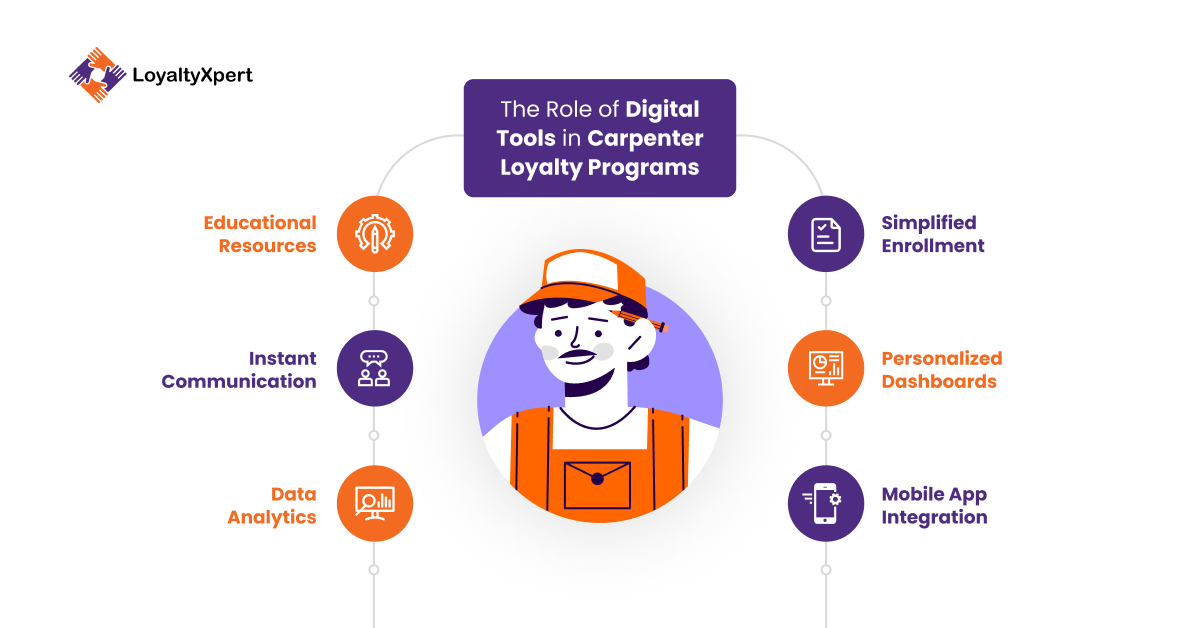
The Role of Digital Tools in Carpenter Loyalty Programs

The Role of Digital Tools in Carpenter Loyalty Programs

We’re living in an era where digital transformation is reshaping all industries. Incorporating technology into your carpenter loyalty program can help you enhance its effectiveness. The digital tools can streamline the enrollment princess, making it more accessible for carpenters who may not be tech-savvy. 

Leveraging a user-friendly digital loyalty platform can benefit your business in various ways, including:

  • Simplified Enrollment: Ensure a quick and seamless onboarding process that doesn’t overwhelm the users.
  • Personalized Dashboards: With personalized dashboards, carpenters can track their rewards, progress, and milestones, enhancing the appeal of your loyalty program and increasing brand loyalty.
  • Mobile App Integration: Mobile apps for easy point tracking and reward redemption.
  • Educational Resources: Online training materials and product information can help enhance their skills and knowledge.
  • Instant Communication: Real-time updates on promotions, new products, and program changes.
  • Data Analytics: Data analytics tools help you track the performance of your program and carpenter engagement.

Digital tools can enhance your program and boost engagement. Here’s how you can set up a robust carpenter loyalty program.

Step-by-Step Guide to Setting up a Carpenter Loyalty Program

Building a carpenter loyalty program from scratch does not have to be daunting. With a strategic approach, you can ensure the success of the program. Here are the key steps you can follow to create your loyalty program for carpenters:

Step 1. Identify Your Target Carpenters

Conduct market research to gather insights about your target carpenters, including their needs, preferences, and pain points. Then, based on their skills, experience, and customer base, consider segmenting them. Carpenters who handle large-scale projects or work with real estate developers can offer greater influence.

Step 2. Define Measurable Goals

Establish clear objectives for your loyalty program. Understand whether you’re looking to drive product referrals, increase sales, or simply drive brand loyalty. 

Step 3. Choose the Right Platform

Choose a loyalty management platform that is intuitive and scalable. It should also be capable of handling the complexities of a channel loyalty program for a seamless process.

Step 4. Design an Appealing Reward Structure

It’s advisable to offer a mix of monetary and non-monetary rewards through appealing rewards structure, such as:

  • Tiered Rewards: With this structure, you can offer escalating benefits or incentives as carpenters reach higher tiers.
  • Point System: A point system allows carpenters to earn points that can be redeemed for products, tools, or exclusive training.
  • Exclusive Access: Provide early or VIP access to new products or invitations to special events related to the industry.

Step 5. Utilize Digital Tools

Leverage digital loyalty platforms like LoyaltyXpert to manage and track carpenter engagement. With a digital platform, you can simplify the enrollment process and reward redemption processes for better participation.

Step 6. Provide Training and Support

Offer training programs to keep your carpenters updated on your products and best practices. In addition to this, make sure that you offer dedicated customer support to address their queries and provide assistance when needed.

Step 7. Monitor and Adapt

Regularly track the performance of your program. You can use data analytics to track the engagement levels of the carpenters in your carpenter loyalty program. This way, you can make required adjustments depending on data-driven insights.

A well-executed loyalty program can help you yield significant results. By following these steps, you can create an effective loyalty program that strengthens your relationship with carpenters, leading to enhanced brand loyalty and consistent sales.

Creating a Carpenter Community for Long-Term Engagement

Building a sense of community around your loyalty program is essential for long-term success. Encourage carpenters to share their experiences and feedback, and provide suggestions for product improvement. This creates a sense of belonging, helping to keep carpenters connected to your brand. A thriving community can drive brand loyalty, ensuring that carpenters stay engaged and continue recommending your products to their clients.

By understanding carpenters’ needs, and leveraging digital tools you can create a loyalty program that not only boosts your bottom line but also supports and empowers the carpentry community.  At LoyaltyXpert, we have a proven track record of designing successful carpenter reward programs. If you’re ready to launch or revamp your carpenter loyalty program and want to learn more about LoyaltyXpert and how we can help, book a demo today. 

How to Create a Successful Travel Loyalty Program as a Travel Agency

Understanding the Changing Face of Travel Today

Loyalty programs are no longer simply reward systems that focus on earning points and giving cold, impersonal incentives. The leaders in each field are shifting away from point systems toward more personalised rewards, such as early access to bonuses and one-of-a-kind events. Brands that customise their travel loyalty program and its rewards in a purposeful and impactful manner will continue to succeed while attracting millennials, while others risk falling behind.

On average, consumers today get 6,000 to 10,000 brand messages every day which would include among other things travel deals as well. With more incentives and quicker ways to switch businesses, consumer retention has become a huge concern for brands. While travel loyalty programs have been an effective retention strategy for decades, they must be modernised to meet the needs of millennials and Gen Z. 

Key observations:

  • The number of people going on holiday internationally is expected to rise, and the numbers prove this trend. A total of 790 million tourists travelled internationally by July 2024, which is an increase of 11% after 2023.
  • A travel rewards program can be highly disruptive if implemented well and cleverly.
  • Utilising partner rewards and establishing partnerships with other brands can open up new possibilities for a travel agency.

Travel Loyalty Program: What Is It?

A travel loyalty program is an umbrella term for all kinds of loyalty programs initiated by travel entities including airlines, railways, and travel agencies. It’s a way of giving your existing customers a compelling reason to choose you over other options that are available to them. As the name suggests, a travel loyalty program rewards your customers for their loyalty to you by giving them attractive incentives, discounts, freebies, points, or other types of perks.

How Does Customer Loyalty Impact the Travel Industry?

1. Boost in Revenue

Repeat customers are the backbone of any business. If you treat your customers well and provide them with quality services, they stick to your brand for the long haul and may also bring in new customers through positive feedback and word of mouth, at no additional cost to your brand. 

2. Lower Cost of Customer Acquisition

Retaining an existing customer costs up to 5 times less than acquiring a new customer. It’s always a good idea to take the initiative toward retaining your existing customers rather than constantly looking for new ones.

3. Survival in the Face of Market Volatility

In difficult times, such as economic downturns, loyal clients continue to be the most dependable source of income. Unlike companies that primarily depend on attracting new clients, their dedication helps organisations overcome those challenging situations.

Biggest Challenges a Travel Agency Faces with a Travel Rewards Program

Did you know that only 42% of travellers use their rewards to their advantage? 

The same report also highlights that 51% of people are either uninterested or unwilling to earn points on their booking. Thus, travel agencies have to come up with new ways to create loyalty programs that emphasise privilege-related perks instead of points, such as exclusive lounge access and free room upgrades.

Creating a Robust Travel Loyalty Program 5 Tips to Follow

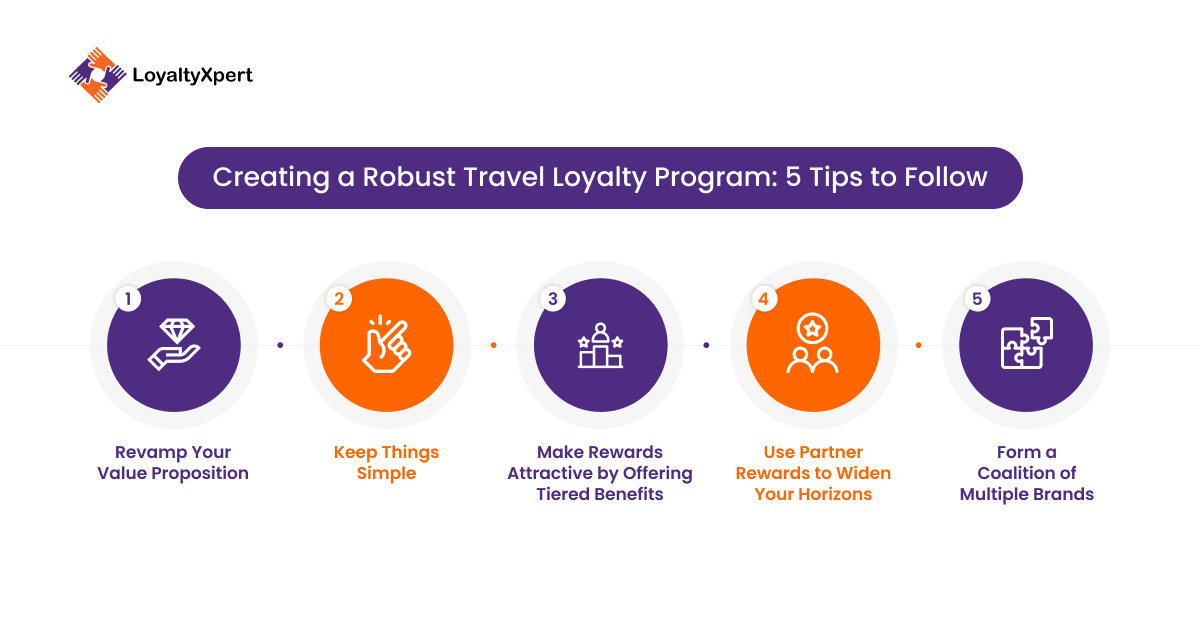
Creating a Robust Travel Loyalty Program: 5 Tips to Follow  

1. Revamp Your Value Proposition

It’s crucial to keep in mind that your loyalty program doesn’t need you to start from scratch altogether. Just give things a little shake. Giving up the classic “miles” system entirely, for example, might not be the best idea because many customers look for ways to save money even if they don’t utilise the system completely.

Instead, you can give your customers something new, for example:

  • Lifestyle benefits
  • Gamified badges and vouchers
  • Community benefits

? LoyaltyXpert tip: We highly recommend you explore hybrid loyalty programs, which as the name suggests, are a combination of traditional and modern styles of loyalty programs.

2. Keep Things Simple

Let’s face it, no one likes a long, tedious registration process. There’s a high chance you might lose good, promising customers at this stage if your travel loyalty program’s onboarding process is not user-friendly. Adopt ways that make your customer’s life easier, be it registration to your loyalty programs or claiming rewards.

? LoyaltyXpert tip: Enrol your customers with as few questions as possible in the registration form, then move on to ask for more details at a later stage, offering a bonus or reward in exchange.

3. Make Rewards Attractive by Offering Tiered Benefits

You can offer privileges of less value as the first step but only premium benefits to higher-tiered customers who have exclusive VIP memberships. Think long-term and provide tiered benefits when creating a travel loyalty program. Members will be less likely to transfer to another program if they have to start over after investing their time and energy to reach a higher tier level. This tiered structure creates a more immersive and rewarding experience for the customer, as they reap more rewards in return for their repeat engagement and loyalty to the brand.

4. Use Partner Rewards to Widen Your Horizons

Partnerships have long been the foundation of travel rewards systems. Because of the partnerships a travel agency has with hotels or car rental companies, customers can earn miles and discounts while booking places to stay. Similarly, collaborating with credit card firms or financial institutions on a combined offer (such as booking flights with a specific card type or applying for a specific type of insurance) is another example of a great collaboration for both industries.

5. Form a Coalition of Multiple Brands

Although partnerships are an important feature of travel reward programs, the coalition loyalty structure is best suited for airports, train companies, and any other travel firm or agency with a strong retail presence.

Modern coalition loyalty programs would enable these enterprises to actively engage tenant brands in the loyalty program and build compelling cross-brand incentive campaigns while maintaining program control. 

Proven Strategies for Boosting Customer Loyalty in Travel and Tourism

1. Focus on Personalization

Technology and digital loyalty management platforms help agencies gather user data to personalise experiences in several ways, including:

  • Monitoring user behaviour

Directory software can keep tabs on user behaviour to suggest personalised product recommendations, deals, and special offers.

  • Applying AI and ML

AI and machine learning can look at data in bulk to help create tailored customer journeys.

2. Utilising Cutting-Edge Technology to Provide Unique Rewards

Rewards such as cheaper flights and hotel rooms do not necessarily cater to the demands of all tourists. Instead of simply delivering discounts, agencies should strive to serve the loyalty members who prefer to interact with them via innovative technologies such as augmented reality and virtual reality.

3. Ongoing Consultation is Crucial

When customers understand that your program offers constant support and that you care about providing a great user experience, they are more likely to use your services again.

Best Travel Loyalty Programs in India

Here are some commendable travel rewards program examples from India that surely will give you an idea or two:

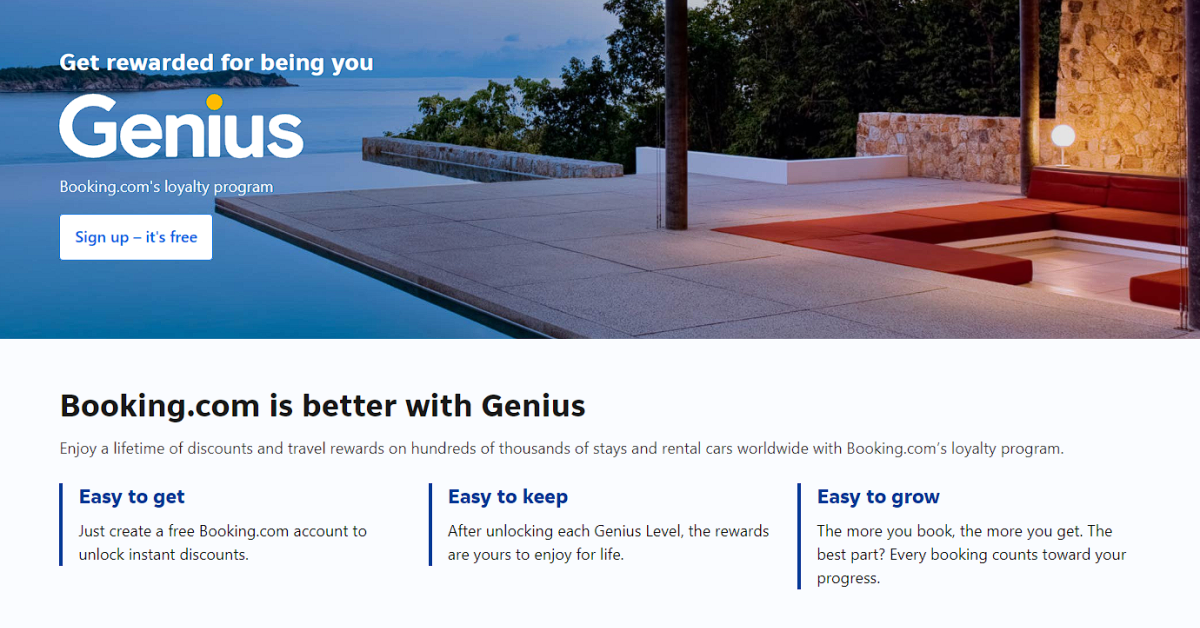
1. Booking.com’s Genius Program 

It provides lifetime access to heavy discounts on certain stays and rental vehicles globally. It features 3 Genius Levels (remember tip 4 above):

Booking.com Genius Program

  • Level 1 (10% discount): Save 10% on handpicked accommodations, making your trip more reasonable.
  • Level 2 (15% discount, free breakfasts, free room upgrades): Get 15% off, complimentary breakfasts at certain hotels, and room upgrades at no extra cost.
  • Level 3 (20% savings, 10% off rental cars, priority support for stays): Reach the top tier with 20% discounts, an additional 10% off rental cars, and priority support for your stays, which includes a direct connection to a live representative.

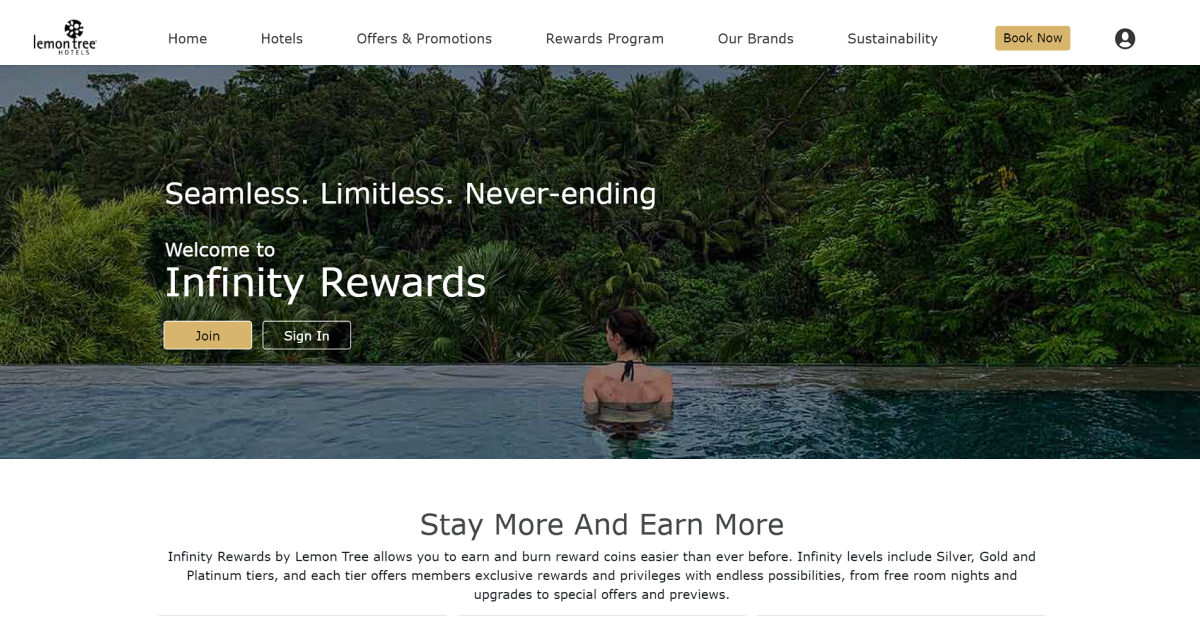
2. Infinity Rewards by Lemon Tree Hotels

Hotels like Lemon Tree offer a variety of property categories to their regular visitors who prefer to stay in specific hotel brands. Lemon Tree offers premier properties as well as affordable ones under the name Red Fox. Club points are added to a customised card created in the traveller’s name with every night stay booked. 

Lemon Tree Rewards Program

Depending on each company’s rules, free benefits like premium WiFi, wine and cookies, stay upgrades, exclusive lounges, free access to partner airlines, and premium taxi services can be used when these points are redeemed.

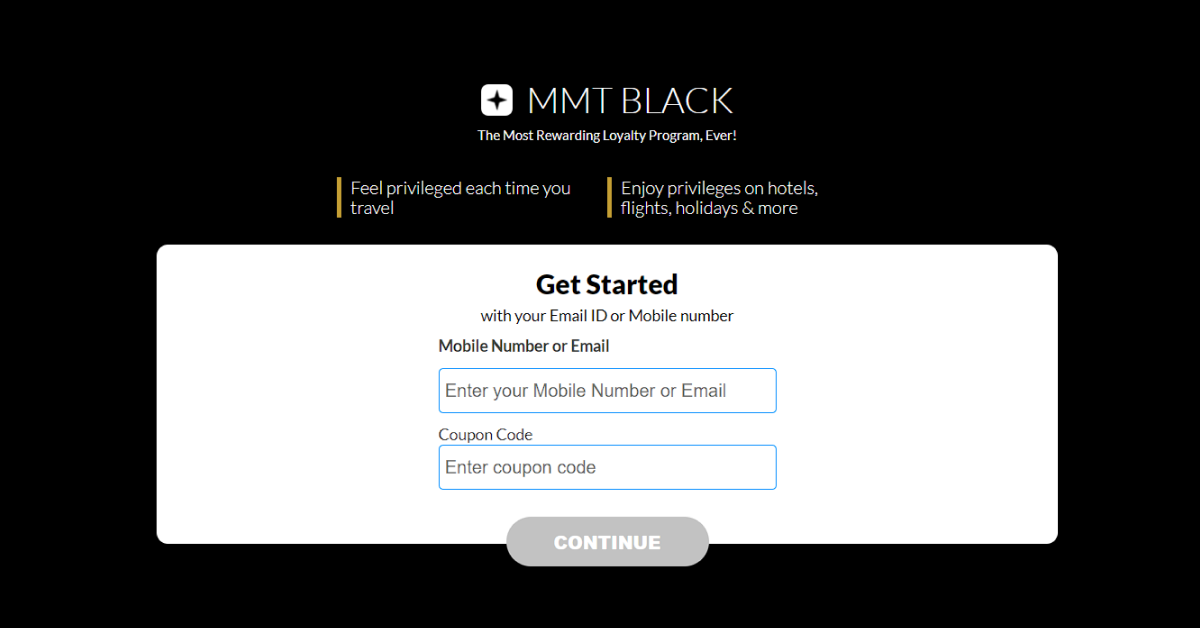
3. MMT BLACK by MakeMyTrip

MakeMyTrip launched this loyalty program in 2024, which provides its Gold and Platinum tier members with various rewards like:

  • Assured myCash (reward credits) on MakeMyTrip bookings
  • Priority customer service
  • Discounted flight add-ons
  • Guaranteed room upgrades across hotels and homestays, and
  • Holiday gift vouchers

MakeMyTrip Rewards Program

MMT customers receive these memberships depending on the total amount of completed trips over the previous 12 months. After achieving the 2 Lakh spend requirement for Platinum membership, the user can upgrade from Gold to Platinum.

Conclusion

In 2024, a travel loyalty program do more than merely retain customers—they boost business revenue growth and enhance customer satisfaction. It’s now more important than ever that travel agencies should update their loyalty programs to keep up with what customers truly need. Giving special benefits, making it easy to sign up, and teaming up with other companies can set your agency apart in a tough market. Looking to build a robust loyalty rewards program for your travel agency and want to learn more about LoyaltyXpert and how we can help, book a demo today. 

How to Run a Plumber Loyalty Program in the Plumbing Industry?

The plumbing industry is one of the most competitive and complex industries that thrive on trust and relationships. Brands are constantly vying for the attention and loyalty of professional plumbers, as they are the key influencers for plumbing fixtures and tools. They are the ones who guide their clients in selecting the right products for their needs. This makes them an important brand ambassador for your plumbing equipment manufacturing business. 

That’s why attracting and retaining loyal plumbers is crucial for your business. This is where designing a plumber loyalty program can be a game-changer for your plumbing business. By leveraging a loyalty program, you can retain loyal plumbers while also driving higher sales. According to a study, 69% of B2B brands reported increased revenue through loyalty programs.

At LoyaltyXpert, we help you create a successful loyalty rewards program for your business. With a well-designed loyalty program, you can forge strong relationships with plumbers and drive higher sales. In this article, we’ll walk you through the key strategies that will run an effective plumber loyalty program to make plumbers your brand ambassadors. But first, let’s understand the types of loyalty programs you can use for your business.

Types of Loyalty Programs for Businesses

When designing your plumber loyalty program, you must choose a structure that aligns well with your business goals and customer preferences. Different types of loyalty programs offer unique benefits, and selecting the right one can enhance plumber engagement and brand loyalty. Here are some of the common types of loyalty programs for the plumbing industry:

1. Point-Based Loyalty Programs: One of the most common types of loyalty programs is a point-based loyalty program. These programs reward plumbers for making purchases, promoting the brand, or referring other customers. Plumbers can earn points as rewards, which they can redeem later for discounts, products, or even cash rewards. Benefits of this type of program:

  • Easy to understand
  • Encourages repeat purchases
  • Increases engagement

2. Tiered Loyalty Programs: These programs offer escalating rewards as plumbers reach higher levels of engagement or sales volume. Each tier offers increasingly attractive rewards, which encourage plumbers to stay loyal and aim for the next tier. Benefits of this type of program:

  • Encourages long-term loyalty
  • Customization

3. Referral Programs: Referral programs encourage plumbers to refer new customers or other plumbers to your brand in exchange for rewards. This program leverages word-of-mouth marketing and expands your customer base while rewarding plumbers for their advocacy. Benefits of this type of program:

  • Increases brand visibility through plumber networks
  • Generates new leads

4. Subscription-Based Loyalty Programs: In this type of program, plumbers may subscribe to a program that offers exclusive benefits such as discounted pricing on tools or special access to training and events. Benefits of this type of program:

  • Increases plumbers’ engagement
  • Encourages long-term loyalty

Each type of program offers varying benefits for plumbers. It’s important to choose a program that aligns with your business goals and the needs of your plumbers. Here are a few factors you can keep in mind when choosing a loyalty program model for your plumbing business:

  • Plumber Demographics
  • Brand Objectives
  • Budget and Resources

You can foster stronger connections with plumbers by offering the right type of loyalty program. This can also encourage repeat purchases, driving more sales. Now, let’s look at how a plumber loyalty program can increase your ROI (Return on Investment).

How Can a Plumber Loyalty Program Enhance Your ROI

How Can a Plumber Loyalty Program Enhance Your ROI?

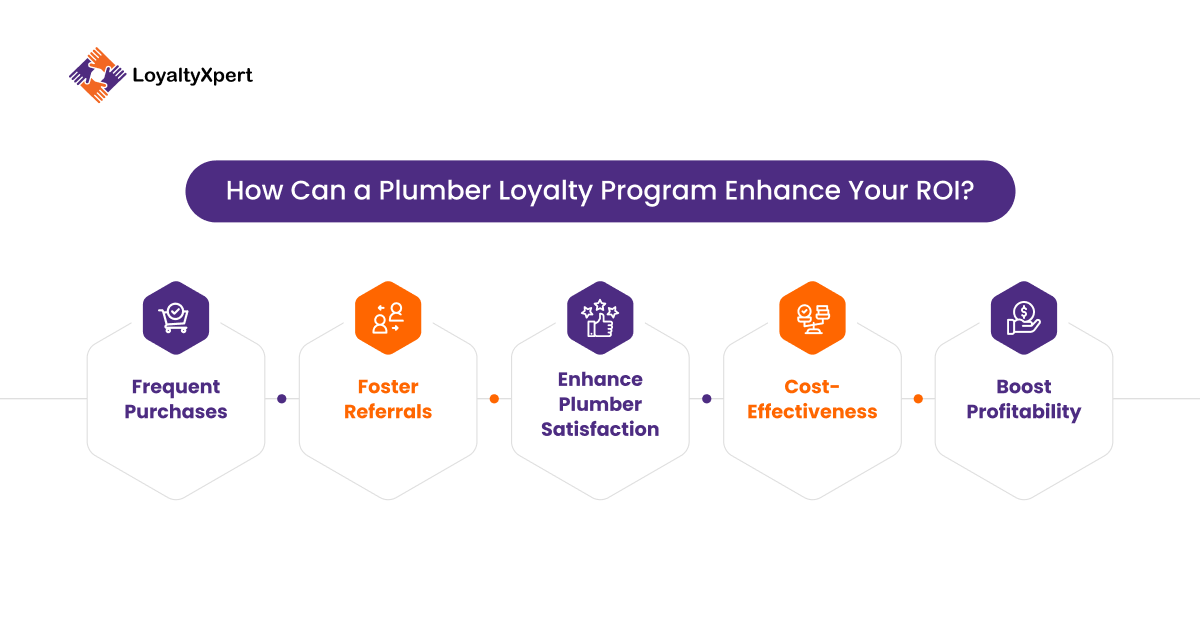
In this highly competitive plumbing industry, a well-executed plumber loyalty program can have a significant impact on your bottom line. It helps build lasting relationships with the plumbers that further lead to increased purchases and more referrals. Here are a few ways your loyalty rewards program can increase your ROI:

  • Frequent Purchases: By rewarding plumbers for repeat purchases, you encourage them to buy more frequently, resulting in higher sales over time.
  • Foster Referrals: Offering incentives for referrals helps you acquire new customers through trusted recommendations, further increasing your customer base.
  • Enhance Plumber Satisfaction: With loyal plumbers actively advocating for your products, your reliance on costly marketing campaigns is reduced, lowering your overall marketing expenditure.
  • Cost-Effectiveness: When loyal plumbers actively advocate for your products, your reliance on costly marketing campaigns also reduces, which lowers your overall marketing expenses.
  • Boost Profitability: Loyal plumbers tend to spend more on your products along with referrals and lower marketing costs directly lead to long-term profitability for your business.

With a plumber loyalty program, you can leverage these benefits that can offer measurable ROI and support sustained business growth. But how to create a successful plumbing loyalty program?

Key Strategies to Create a Successful Plumbing Loyalty Program

Here are a few key strategies that you can follow to create and run a successful loyalty program for your plumbing business

Choose the Right Loyalty Management Platform

One of the first steps in setting up a successful plumber loyalty program is selecting a reliable loyalty management platform

Earlier, running a loyalty program required significant manual effort, with teams juggling Excel sheets, coupon-based rewards, and unstructured plumber databases. Today, however, brands can harness advanced loyalty program software to streamline their entire process and scale their initiatives. So, when choosing a platform, ensure it offers features like:

  • User-friendly interface
  • Customizable reward structures
  • Comprehensive data analytics and reporting
  • Integration with CRM systems 

A robust loyalty management platform allows you to manage your entire loyalty program digitally. This offers you the flexibility to provide dynamic rewards, track plumber engagement, and generate data-driven insights.

Identify and Partner with the Right Plumbers

Not all plumbers will have the same level of expertise or influence in the marketplace. Some are more experienced and have a larger clientele, while others may be new entrants to the market. More experienced plumbers may also hold more sway over customer purchasing decisions. Hence, partnering with the right plumbers is essential for your business to amplify its reach. Here are a few points to consider when selecting plumbers for your program:

  • Strong customer relationships
  • Expertise and reliability

Once enrolled, you can offer these plumbers comprehensive training on your product line with a focus on how your products provide value to end customers. Equip your plumbers with the knowledge and tools they need to confidently recommend your products. 

In addition to this, make sure you set clear expectations about how plumbers can earn rewards and how the influencer loyalty program works. A seamless onboarding experience can help in building long-term trust and engagement.

Craft Personalized Loyalty Programs and Tailored Rewards

A one-size-fits-all approach rarely works when it comes to loyalty programs. This is especially true in the diverse plumbing industry. Every plumber has different motivations and business needs. Thus, creating personalized loyalty programs that reflect these differences can benefit your business. 

Here are a few strategies to personalize your loyalty program:

  • Tier-Based Rewards: Offer different rewards based on performance. For instance, you can offer exclusive benefits or higher-value rewards to top-performing plumbers.
  • Cashback and Bonuses: There are many plumbers who prefer tangible rewards, including cashback or discounts. Offering cashback rewards and discounts on frequently used tools and supplies can improve the performance of your program.
  • Referral Programs: With referral programs, you can encourage plumbers to refer new customers or other plumbing professionals to your brand by offering incentives for successful referrals.
  • Non-Monetary Rewards: Sometimes, offering non-monetary rewards like free training, access to special events, or healthcare benefits is the ideal choice to personalize your rewards.

It’s vital to ensure that your reward structure is focused on incentivizing loyalty and aligning with the long-term goals of your partners. You can maintain a balance between short-term perks and long-term benefits by mixing different types of rewards. By personalizing the rewards, you also enhance plumbers’ engagement and boost motivation to continue promoting your brand.

Effective Communication and Engagement Strategies

Loyalty rewards programs rely heavily on effective communication for success. Once the plumbers are enrolled, you should keep them actively engaged by maintaining open lines of communication with them. This regular interaction can help you build and maintain strong relationships. 

Here are a few tips that can help you:

  • Utilize multiple communication channels
  • Build an online community
  • Acknowledge and reward milestones and contributions
  • Take feedback from enrolled plumbers

By keeping the lines of communication open, you make plumbers feel valued and engaged in your loyalty system.

Measure Program Performance and Adapt as Needed

The success of your plumber loyalty program relies heavily on regular performance assessments. By leveraging the advanced loyalty program software, you can gain insights into real-time analytics to measure key metrics. These metrics may include:

  • Number of enrollments 
  • Engagement levels
  • Sales growth 
  • Churn rate

If gaps exist between the projected and actual outcomes, quickly implement changes. Here are a few steps you can take:

  • Track key metrics
  • Utilize real-time data
  • Gather plumber feedback
  • Adapt and innovate

With continuous assessment and improvement of your loyalty program, you can ensure that it remains relevant and effective in the long run.

The Role of Loyalty Programs in Growing Your Business

By implementing a carefully structured plumber loyalty program, you can build strong partnerships with your most influential plumbers. This helps you increase your market share by simply offering personalized rewards. With the help of loyalty programs, you can make influential plumbers your brand advocates.

At LoyaltyXpert, we have the expertise and the tools to help you create a program that fosters loyalty and drives long-term growth and success for your business. If you’re ready to design and run an effective plumber loyalty program and want to learn more about LoyaltyXpert and how we can help, book a demo today. 

Loyalty Programs in Food, Grocery and Beverage Industry – An Ultimate Guide

Running a food or beverage business today isn’t just about serving great meals—it’s about getting customers to come back again and again.

With rising competition from restaurants, cloud kitchens, and food delivery platforms, customer loyalty in the F&B industry is becoming harder to earn and even harder to retain. Most customers are constantly exploring new options, which means one good experience is no longer enough to guarantee repeat visits.

This is where a well-designed food and beverage loyalty program can make a real difference.

Instead of relying on discounts alone, modern F&B loyalty programs help you build stronger relationships with your customers through personalized rewards, exclusive perks, and data-driven engagement strategies. Whether you run a restaurant, café, QSR chain, or food delivery service, the right loyalty approach can turn occasional buyers into repeat customers—and repeat customers into long-term brand advocates. If you’re exploring how loyalty programs work across different industries, you can also check out our detailed guide on restaurant customer loyalty strategies and how businesses are improving retention through structured reward systems.

In this guide, we’ll break down how food and beverage loyalty programs work, the different types you can implement, and practical strategies to help you increase customer retention and drive consistent revenue growth.

What are Food and Beverage Loyalty Programs?

A food and beverage loyalty program is a strategic initiative aimed at rewarding customers for their patronage. These programs typically provide customers with incentives in exchange for continued engagement. Some of the common incentives may include:

  • Discounts on meals
  • Free items or delivery services
  • Complimentary food or beverages 
  • Exclusive member perks

The core idea behind a loyalty rewards program is to foster a deeper connection between your brand and your customers and encourage them to keep coming back for more frequent purchases. Whether you own a small local eatery or a large grocery chain, implementing loyalty solutions can benefit your business by enhancing customer engagement and driving repeat visits.

With the rise of digital loyalty platforms, you can easily create, track, and optimize your loyalty program. By leveraging such platforms, you can collect valuable customer data, allowing you to offer personalized rewards and incentives.

Challenges Faced by Food and Beverage Companies

There are a few common challenges that your food and beverage business may face, particularly when it comes to customer retention. However, implementing a well-structured loyalty program can help you overcome these challenges. Let’s take a look at some of these challenges:

1. Low Retention Rates: 

The restaurant industry, in particular, struggles with low retention rates. Studies show that 70% of customers don’t return to a restaurant after their first visit. Implementing a compelling loyalty rewards program to offer rewards and incentives to your customers can drive repeat visits.

2. Infrequent Purchases: 

Food and beverage companies often have to deal with customers who make irregular or infrequent purchases. This presents a challenge for companies to build long-term relationships and increase repeat business. 

A loyalty program that offers incentives even for small, frequent purchases can help overcome this challenge and lead to more consistent customer engagement.

Did you know that 84% of consumers say loyalty programs encourage them to stick to the brand?

3. Increased Competition and Digital Disruption: 

The rise of food delivery apps, online grocery shopping, and other digital innovations has increased competition in the industry. With consumers expecting convenience and seamless digital experiences, traditional businesses may find it difficult to compete. 

However, a digital loyalty program can enhance your offerings allowing you to keep pace with changing consumer preferences.

4. Fragmented Customer Journeys: 

Research shows that 81% of consumers prefer companies that offer personalized experiences. Many businesses struggle to provide personalized experience, as they fall short in creating unified customer profiles with consumers shopping across multiple channels – both online and in-store channels. 

This is where a loyalty management platform can help you in tracking customer interactions across these different touchpoints. This allows you to offer personalized experiences that drive loyalty.

Loyalty programs can help your food and beverage business overcome the common challenges, particularly with customer engagement and retention. Here’s how loyalty programs can benefit your business:

  • Increase customer retention
  • Boost sales
  • Enhance customer data collection
  • Different in competitive markets
  • Strengthen brand loyalty

But is a loyalty program really beneficial for your business type in particular? Let’s find out.

Suggested Read: Loyalty Programs are Driving Growth in Food and Beverage?

What Businesses Can Benefit from Food Loyalty Programs?

Food loyalty programs are not limited to any one type of business in the industry. In fact, various types of businesses can benefit from implementing a well-designed loyalty program:

  • Restaurants and Cafes: Local restaurants and cafes can leverage a food and beverage loyalty program to encourage repeat visits from customers. Personalized offers, including free items or discounts for frequent visitors, can lead to stronger relationships.
  • Fast-Food Chains: Fast-food chains typically have a larger customer base. Using loyalty management platforms can help them gather customer data, offer tailored deals, and streamline ordering through mobile apps.
  • Bars and Pubs: By offering exclusive deals on drinks or other rewards for frequent visits, these establishments can build a community of regular customers.
  • Bakeries and Dessert Shops: Bakeries and dessert shops can leverage loyalty rewards programs, particularly when promoting seasonal or limited-edition items. Rewarding frequent customers or certain purchases can increase foot traffic and build a base of loyal customers eager to try new offerings.
  • Food Delivery Services: In this digital age, food delivery services like Uber Eats and Zomato heavily rely on digital loyalty programs to engage and retain customers. Offering points, discounts and free deliveries incentivizes frequent orders, which helps drive repeat orders.
  • Packaged Food & Beverage Manufacturers: Loyalty programs provide packaged food and beverage manufacturers to build brand loyalty. Regular rewards for frequent purchases further create a lasting relationship with customers, even in a currently crowded marketplace.

Before we move forward to understand the key features that make a loyalty program successful, it’s important to get familiar with different types of loyalty programs. This will help you understand which type of program is best for your requirements

Type of Food and Beverage Loyalty Programs

Type of Food and Beverage Loyalty Programs

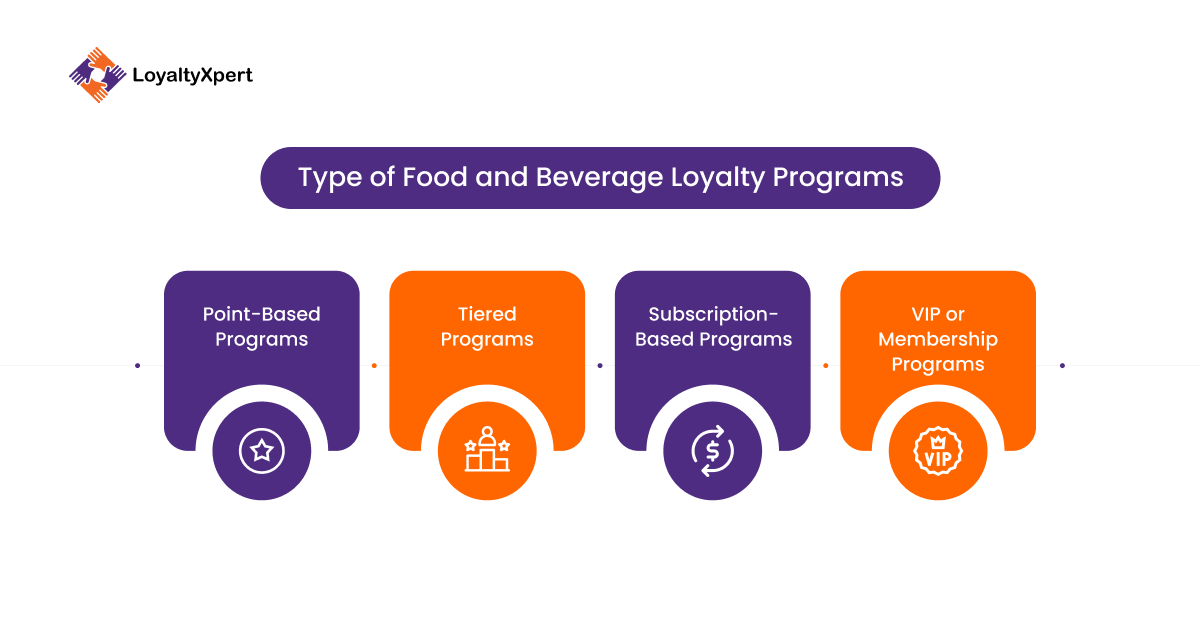
Food and beverage businesses can implement a loyalty program that best suits their requirements. Here are the types of loyalty programs that you can choose from:

  • Point-Based Programs: Customers earn points for every purchase, redeemable for discounts or free items.
  • Tiered Programs: Customers unlock higher rewards as they progress through different spending levels.
  • Subscription-Based Programs: For a recurring fee, customers receive exclusive perks, such as free delivery or members-only discounts.
  • VIP or Membership Programs: These programs offer premium rewards and exclusive experiences for a select group of loyal customers.

Each type of loyalty program can be customized to align with your business objectives and customer engagement strategies.

Essential Features of a Successful Loyalty Program for the F&B Industry

Essential Features of a Successful Loyalty Program for the F&B Industry

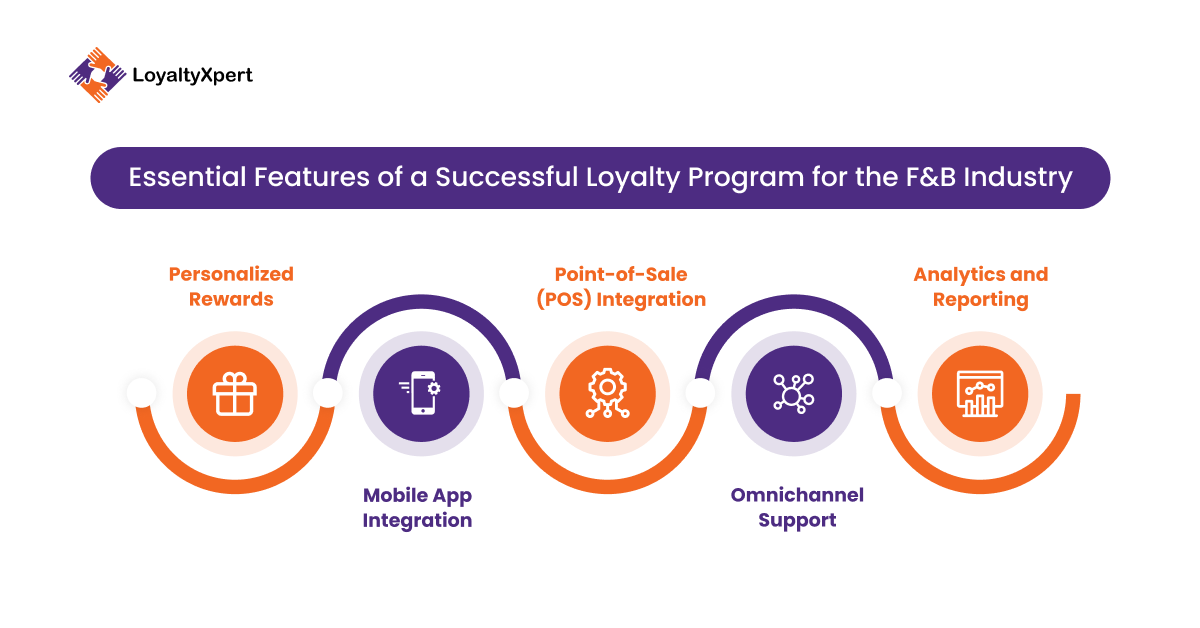
Implementing an effective loyalty program requires more than just basic discounts. It includes features that enhance the customer experience and enable you to track and optimize your loyalty strategies. Here are the key features that your food and beverage loyalty program should have:

1. Personalized Rewards

Generic rewards are not enough when it comes to driving customer loyalty. It’s important that your loyalty solution provides personalized incentives based on your customer’s preferences, purchasing history, and habits. These incentives may include:

  • Special offers on a customer’s favorite items
  • Birthday discounts
  • Tailored promotions 

2. Mobile App Integration:

Today, mobile app integration has become a major part of loyalty programs. With a mobile app, your customers can easily track their rewards, receive notifications about exclusive offers, and also place orders directly from their devices. This convenience enhances their experience and keeps them engaged with your brand.

3. Point-of-Sale (POS) Integration:

You can seamlessly integrate your loyalty program with your business’s point-of-sale (POS) system. This allows you to:

  • Automate data collection
  • Track customer transactions
  • Manage points accumulation in real-time

4. Omnichannel Support:

Whether your customers are placing orders online or in-store, your loyalty rewards program should offer consistent rewards and a seamless experience across all touchpoints.

5. Analytics and Reporting:

One of the most powerful aspects of modern loyalty program software is its ability to analyze the behavior of your customers and the overall performance of your program. These insights allow you to identify trends, optimize rewards, and adjust your loyalty strategies depending on the real-time data.

Best Practices for Implementing Food and Beverage Loyalty Programs

Here are a few tips or strategies that you can follow to ensure your loyalty program gives you the result you expect:

:- Keep it Simple: If your program is overly complicated, it can confuse your customers. So, ensure that your program is simple to understand and rules of earning and redeeming rewards are straightforward and easy to follow.


:- Use Data for Personalization: Leverage customer data to offer personalized deals based on individual preferences and purchase history. It’s also vital to keep optimizing and improving your loyalty program based on this data.

:- Consistent Engagement: Keep your food and beverage loyalty program top-of-mind by consistently engaging customers through:

  • Email campaigns
  • App notifications
  • In-store reminders

:-  Offer Tangible Rewards: Your customers are more likely to engage with your loyalty program if the offered rewards are attainable and worthwhile. So, ensure that the rewards you offer are appealing to your target customer base.

Following these tips can help you ensure that your loyalty program performs well and delivers the results you desire.

Top 3 Examples of Successful Food & Beverage Loyalty Programs

There are several brands in the industry that have mastered the art of food and beverage loyalty programs. These examples can help you enhance your customer retention and loyalty program strategies for better results. Here are some standout examples:

1. My Starbucks Rewards

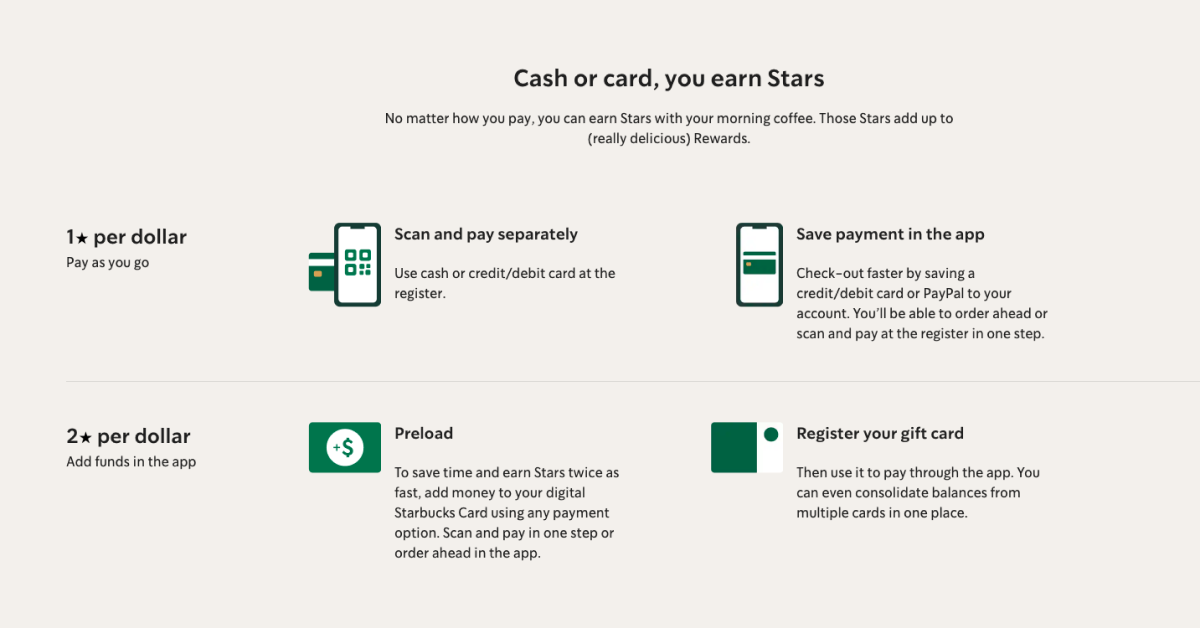
Starbucks’ mobile-based loyalty program, My Starbucks Rewards, is one of the best examples of successful loyalty programs. 

Starbucks loyalty

It allows customers to earn Stars for every purchase they make. These Stars (points) can then be redeemed for free drinks, food items, and other rewards. The application also allows customers to order ahead, making their experience more convenient and engaging.

2. Amazon Prime and Whole Foods

After acquiring Whole Foods in 2017, Amazon integrated its Prime membership benefits into the grocery chain. Amazon Prime is a subscription-based loyalty program that also offers benefits in the Whole Foods market.

Amazon Prime

It offers exclusive discounts and free delivery to Prime members. This move strengthened Amazon’s position in the grocery market while offering valuable perks for Prime customers.

3. Chipotle Rewards

Chipotle Rewards is an app-based loyalty program of Chipotle Mexican Grill Inc., also known as Chipotle. 

Chipotle

Customers earn points for every purchase, and the app features gamification elements, such as badges and bonus point opportunities, to keep customers engaged. The program has been particularly effective in driving mobile orders, which became a crucial revenue stream during the pandemic.

Unlocking the Power of Customer Loyalty for Lasting Success

In the fast-moving food and beverage industry, customer loyalty is no longer built by chance—it’s built by strategy.

A well-executed loyalty program does more than reward purchases. It helps you understand customer behavior, personalize experiences, and create meaningful reasons for customers to choose your brand over competitors. From increasing repeat orders to improving customer lifetime value, the impact of a strong loyalty program goes far beyond short-term sales.

The key is to design a program that aligns with your business model, customer preferences, and growth goals—whether that means points-based rewards, memberships, referrals, or personalized offers. If you’re planning to scale your strategy further, you can also explore our insights on multi-country loyalty programs to understand how global brands maintain consistency while adapting to local customer behavior.

If you’re looking to build or upgrade your food and beverage loyalty program, LoyaltyXpert offers scalable solutions designed specifically for modern F&B businesses. You can also explore our loyalty program software solutions to see how technology can simplify program management and improve on-ground engagement. With the right tools and strategy in place, you can turn everyday transactions into long-term customer relationships and sustainable business growth.

Why Your Co-Working Cafe Needs a Loyalty Program (and Expert Tips to Launch It Successfully)

79% of consumers express greater loyalty to brands that provide rewards programs.

In today’s fiercely competitive business landscape, customer loyalty is a key differentiator for businesses across sectors. This is particularly true for cafes within co-working spaces. The two key factors that drive revenue for cafes and many other businesses include:

  • The number of customers coming to the cafe
  • The number of purchases customers make

What is Cafe Loyalty Program?

A cafe loyalty program is an incredible tool that can help you increase both these metrics. These programs have become a must-have for co-working spaces and cafes. A loyalty program can make your customers keep coming back to your cafe and make more purchases. It can foster long-term customer retention while also enhancing customer experience.

As co-working spaces are gaining more and more popularity, there is a growing demand for on-site cafes. However, with the growing competition within these shared workspaces, a well-structured cafe rewards program can give you a competitive advantage over your rivals. 

In this article, we’ll explore the elements of the best cafe loyalty program and why your cafe needs one. But first, let’s understand what a loyalty program for a cafe is.

Understanding Cafe Loyalty Programs

A cafe loyalty program is a reward-based system that is designed to reward customers for their repeated purchases. It helps encourage customers to return by offering them incentives, such as:

  • Free items
  • Discounts
  • Points toward future purchases

Now, picture this: You spend your money on a pair of shoes and you get rewards in return! Sounds great, right? That is how a cafe loyalty program works. 

Such programs are an effective strategy to increase customer engagement, improve retention, and ultimately drive repeat purchases. They also encourage word-of-mouth marketing while also allowing cafes to leverage valuable customer data to gain insights into customer preferences. This enables better-targeted marketing.

Loyalty programs for cafes within co-working spaces can also integrate seamlessly with coworking management software, which helps in maintaining smooth operations in a shared space. With the basics covered, let’s discover the key features of a successful cafe rewards program.

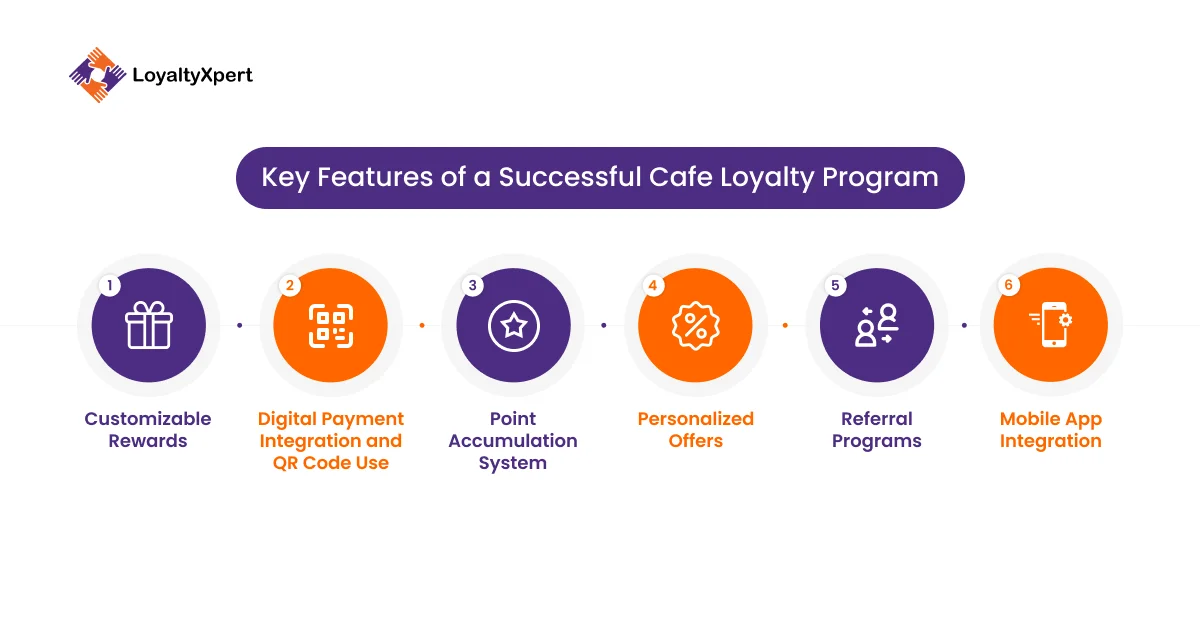
Key Features of a Successful Cafe Loyalty Program

Key Features of a Successful Cafe Loyalty Program

Implementing a successful loyalty program for cafes within a co-working space requires more than just a simple point-based rewards system. To truly stand out, you must offer features that cater to both the needs of your customers and the dynamics of a shared workspace. Here are the key features that make a cafe loyalty program successful:

1. Customizable Rewards

Customization is key to a successful cafe loyalty rewards program. Offering flexible and attractive rewards can help in maintaining customer interest. Along with flexible rewards, such as free coffee or discounts on food items, you can also offer coworking perks such as:

  • Discounted meeting room books
  • Free access to high-speed internet
  • Extended hours for co-working facilities

With this approach, you provide your customers with added value, which encourages both short-term purchases and long-term customer engagement.

2. Digital Payment Integration and QR Code Use

We’re living in a digital-first environment with studies showing that global QR code transactions are expected to reach $3 trillion by 2025. This is a 25% increase from $2.4 trillion in 2022.

Co-working spaces are fast-paced environments where customers expect swift, contactless payment options. So, adopting loyalty solutions that incorporate digital payment systems and QR codes can enhance the customer experience. QR codes allow customers to quickly scan and pay while also accumulating loyalty rewards effortlessly.

3. Point Accumulation System

A point-based system remains the foundation of any successful loyalty program. This system allows you to reward frequent visitors. Your customers can accumulate points based on the amount they spend. These points can then be redeemed for discounts, free items, or coworking-related perks. This system incentivizes frequent purchases and encourages customers to return to your cafe regularly.

4. Personalized Offers

Personalization is a key driver of customer engagement. By leveraging a loyalty management platform, you can analyze customer behavior and preferences depending on their order history. 

For instance, sending personalized discounts on a customer’s favorite coffee or offering a birthday reward at peak working hours can significantly improve customer engagement and drive more revenue. 

Did you know that 40% of consumers say they’re likely to spend more if offered highly personalized experiences?

5. Referral Programs

Co-working spaces are social environments where word-of-mouth can do wonders for your cafe. By implementing a referral program, you can encourage your existing customers to refer their colleagues or friends to your cafe in exchange for rewards. This helps in increasing your brand exposure and attracting new customers, which directly impacts sales and loyalty.

6. Mobile App Integration

A mobile app makes it more convenient for customers to track their points, redeem rewards, and stay informed about special offers and promotions. By incorporating a loyalty management software or app, you can further enhance the user experience for your customers and keep them engaged.

By implementing these features, you can create an efficient, user-friendly, and effective loyalty solution that encourages repeat purchases while improving customer loyalty.

Why Your Co-Working Cafe Needs a Loyalty Program

Investing in a cafe loyalty program is not just a trend, it’s an impactful strategy that can drive significant business growth. Here’s why your cafe needs it:

  • Increased Foot Traffic: Incentivizing customers to return frequently can ensure a steady flow of regular patrons. Loyalty programs can create a sense of belonging and transform a casual visitor into a loyal customer.
  • Customer Data Insights: By analyzing the purchase patterns and preferences of your customers, you can refine the menu, optimize promotions, and enhance the overall customer experience.
  • Enhanced Customer Experience: You can foster long-term relationships with your customers by offering them exclusive rewards and personalized experiences. This helps in enhancing not only the customer experience but also the overall atmosphere of the co-working space.
  • Brand Visibility: A loyalty program boosts brand visibility through word-of-mouth marketing and referral incentives. In addition, it can also attract partnerships with companies that use the co-working space, which further expands your customer base.

Steps to Design an Effective Cafe Loyalty Program

Designing an effective cafe loyalty program involves thoughtful planning and execution. Here are a few mey steps that you can take to create a successful program for your co-working space cafe:

Step 1. Define Clear Goals

Start by identifying the primary goals you want to achieve through the cafe loyalty program. It could be:

  • Increasing foot traffic 
  • Enhancing repeat purchases
  • Improving customer engagement

Setting objectives will help you shape your rewards structure and performance metrics.

Step 2. Understand Your Customer Base

Research your target customers to understand their preferences and behaviors. Co-working space customers are more likely to be busy professionals with a preference for convenience. So, your program should cater to their needs by segmenting your customer base and tailoring rewards to suit their purchasing habits. 

Step 3. Choose the Right Loyalty Program Model

Design a straightforward, achievable reward system that also fits your business. Here are a few popular options that you can choose from:

:-  Point-based system: Customers earn points for every purchase and can redeem them for rewards.

  • Tiered system: Customers unlock better rewards as they reach certain spending or visit thresholds
  • Subscription system: Offer a monthly or yearly membership with exclusive benefits like discounts or priority service.

Step 4. Select the Right Technology

Invest in a reliable loyalty management platform that can help you track points, manage rewards, and gain customer insights. You can also integrate the platform with your co-working management software for seamless operations.

Step 5. Add Gamification and Tiers

You can make your program more engaging by simply adding challenges and tiered rewards. This encourages the custoemrs to strive for higher levels of benefits. You can also leverage gamification to offer bonus points for completing specific actions like referring friends or sharing on social media.

Step 6. Promote Your Program

Once your loyalty program is designed, you should promote it across multiple channels. These channels may include:

  • In-store 
  • Social media
  • Email marketing

This way, you can raise awareness and drive sign-ups. You can also partner with the co-working space to spread the word and encourage participation.

Step 7. Monitor and Optimize

Regularly tracking performance can help you make necessary adjustments to your loyalty program. You can leverage customer data and feedback to continuously analyze and improve the program.

Real-Life Examples of Successful Cafe Loyalty Programs

Several cafes have successfully implemented loyalty programs that drive customer loyalty and engagement. Here are a few notable examples:

  • Starbucks: With Starbucks’ reward program, customers can earn points (Stars) with every purchase. These points can be redeemed for free items.
  • Dunkin’: Dunkin”s loyalty program, Dunkin’ Rewards, offers a point-based system that rewards frequent buyers with free drinks. They also use QR codes for quick and easy rewards tracking, making it convenient for customers.
  • Caribou Coffee: Caribou Coffee’s loyalty program offers tiered rewards, where customers earn more money when they spend more. They also provide exclusive perks for loyalty members, like birthday rewards and early access to new products.

These examples illustrate the power of a well-structured cafe loyalty program in driving repeat business and fostering customer loyalty.

Future Trends and the Way Forward

The technology is constantly evolving, which will shape the future of loyalty programs with more focus on personalization and AI-powered platforms. In addition, the seamless integration of loyalty management platforms with coworking management software will allow cafes to streamline their operations. This will also allow them to offer a unified experience for their customers.

Prioritizing loyalty programs can help you retain customers and grow your business. So, if you’re ready to expand your wings, partner with LoyaltyXpert. With our fully integrated solutions, you can design and manage a cafe loyalty program, specifically tailored to co-working spaces. Book a free trial today!

What Is a Sales Tracking App? Complete Guide for Businesses

Managing field sales teams, tracking orders, and monitoring sales performance across multiple territories can be challenging without real-time visibility. Businesses that rely on spreadsheets, manual reporting, or delayed updates often struggle to identify opportunities, monitor productivity, and make informed decisions.

A sales tracking app helps businesses track sales activities, monitor field team performance, manage customer interactions, and analyze sales data in real time. By providing accurate visibility into sales operations, these applications enable organizations to improve productivity, streamline reporting, and drive revenue growth.According to research, the global market size for sales performance management software was valued at US $1.58 billion in 2020 and is expected to reach US $1.79 billion in 2025. This shows the increased adoption of sales tracking software worldwide.

In this guide, we’ll explain what a sales tracking app is, how it works, its key benefits, essential features, and how businesses can choose the right solution for their sales teams.

What is Sales Tracking?

Sales Tracking refers to the process of monitoring and analyzing sales activities, from initial customer interactions to closing deals. This includes customer interactions and metrics like conversion rates and sales figures. It can help you stay on top of every sales transaction, which enables you to measure outcomes and optimize your sales strategy. By leveraging a sales tracking app, you can gain actionable insights into your sales pipeline and improve overall efficiency.

What is a Sales Tracking App?

A sales tracking app is a specialized software that is designed to monitor and manage sales activities. It provides you with real-time insights into your sales processes, enabling you to track the performance of your sales representatives. You can also use it to monitor sales trends to identify opportunities for improvement. 

While the primary advantage of a sales tracker is the ability to monitor sales activities in real time, it also allows for the automation of routine tasks. This frees up your sales team’s time to focus on their core responsibilities – selling. But why do you need a sales tracker?

A sales tracking app works as a GPS for your sales team, ensuring the team is on the right path. It helps you pinpoint your potential leads and close more deals. With a sales force tracker, you can leverage sales reports, activity reports, and sales tracking reports while analyzing your sales representatives’ actions and whereabouts. In short, sales tracking software enables you to create a clear roadmap to improve your sales performance. 

Before we into the working of these applications, let’s get familiar with the key features of LoyaltyXpert’s sales tracking app.
Key Features of LoyaltyXpert's Sales Tracking Application

Key Features of LoyaltyXpert’s Sales Tracking Application

The LoyaltyXpert’s Sales Tracking Software is more than just a tool – it’s a comprehensive solution packed with features designed to help you streamline your sales processes and achieve better results. Here’s a closer look at some of the key features that make this app a game-changer for your company.

1. Track Sales Representatives

One of the standout features of the field sales app is its ability to track sales representatives’ movements and activities in real-time. This means you can monitor the movements and sales activities of your sales force. Hence, ensuring that you have a clear understanding of their performances. 

You can identify patterns, optimize routes, and ensure that your sales reps are spending time effectively. With this feature, you can not only identify the high-performing representatives but also offer timely support to the ones who require additional help. This helps in improving overall sales effectiveness.

2. Measure KPIs

Understanding Key Performance Indicators (KPIs) is crucial for every sales operation. With LoyaltyXpert’s Sales Tracking App, you can measure KPIs around the clock. It offers custom reports that provide you with deep insights into sales activities. 

Whether you want to track conversion rates or sales cycles, this feature enables you to access the data you need to make timely adjustments to your strategies. 

3. Gamify Experience

Motivation has always been key to a successful sales team. With sales tracking software’s gamification, you can keep your sales reps engaged. You can incorporate leaderboards, challenges, and rewards into the app to boost morale while also fostering a competitive yet fun experience. This gamified experience can drive performance and higher engagement.

4. Seamless CRM Integration

Did you know that CRM systems can lead to a 34% increment in sales productivity

Effective communication between the sales team and management is essential for a streamlined sales process. Our sales tracker seamlessly integrates with your existing Customer Relationship Management (CRM) systems to streamline operations. It allows for a unified view of customer interactions, sales activities, and performance metrics, which makes it easier to manage sales processes and enhance customer relationships.

5. Automated Task Management

Managing all tasks related to sales can often be challenging and time-consuming. However, with a sales tracking app, you can automate routine activities, including follow-ups, report sharing, and emails. This helps in freeing up time for sales representatives to focus on selling, rather than administrative tasks. With this level of automation, you can observe improved efficiency while also ensuring that no task is overlooked. Hence, leading to a more organized and effective sales process.

The LoyaltyXpert Sales Tracking Application is a powerful tool that empowers you to succeed in a competitive market by optimizing your sales operations and driving growth.

How Does the Sales Tracking App Work?

Understanding how a sales tracker works can help you fully leverage its capabilities. Here’s a step-by-step overview of how the LoyaltyXpert’s app functions:

1. Data Collection

The app collects real-time data on various aspects of the sales process, which includes the following:

  • Sales numbers
  • Win/loss rates
  • Conversion rates

This data is crucial for understanding the performance of the sales team and identifying areas for improvement.

2. Dashboard and Reports

Once the field sales application collects the data, the app’s dashboard provides you with an overview of deals, sales cycles, and performance trends. You can generate detailed reports that offer insights into sales activities. This helps in making informed decisions and optimizing their sales strategy.

3. Automation

With its key feature – automation, the app automates various tasks to improve efficiency. These tasks primarily include:

  • Follow-ups
  • Report sharing 
  • Communication

4. Goal Setting

Finally, the app allows you to set and communicate goals effectively. Whether it’s setting targets for individual sales representatives or defining broader objectives for the entire sales team, the app ensures that everyone is aligned and working towards the same goals. 

By streamlining these processes, the LoyaltyXpert Sales Tracking App helps you improve your sales performance, enhance your relationships with channel partners, and achieve your business goals. Let’s take 

Why You Should Invest In Sales Tracking Software

Investing in sales tracking software can help you enhance your sales operations and stay competitive. Here are a few reasons why you should invest in a sales tracker.

  • Real-Time Insights: A sales tracking application enables you to instantly access critical data, including conversion rates and sales volumes. This allows you to make proactive adjustments to your strategies and capitalize on opportunities.
  • Improved Accountability: With the ability to monitor sales reps in real-time, you can ensure that your team is productive and meeting goals. This leads to better accountability, improved productivity, and higher-quality leads.
  • Automation of Tasks: You can streamline routine tasks like follow-ups and report generation to free up your sales team to focus on closing deals.
  • Enhanced Decision-Making: The sales tracking software allows you to analyze sales trends and patterns. This enables you to fine-tune your strategies and make data-driven decisions for long-term growth.

By incorporating a sales tracking app into your operations, you can not only improve efficiency but also boost revenue and maintain a competitive advantage.

Case Study: Hawaban Harde

LoyaltyXpert’s Sales Tracking App has already made a significant impact on businesses, as demonstrated by its successful implementation at Hawaban Harde. This company leveraged the app to enhance its sales tracking and improve its relationship with channel partners.

By implementing the app, Hawaban Harde was able to gain real-time insights into its sales activities, enabling it to make data-driven decisions that improved its sales performance. 

One of the key results achieved by Hawaban Harde was improved channel partner engagement. By using the app to track the performance of its channel partners, the company was able to identify top performers and reward them accordingly. This not only boosted motivation but also led to increased sales, helping the company to achieve its business objectives.

To learn more about how Hawaban Harde used the LoyaltyXpert Sales Tracking App to enhance its sales performance, you can read the full case study.

Final Thoughts

A sales tracking app helps businesses gain better visibility into sales activities, improve team accountability, and make data-driven decisions. By automating reporting, tracking field performance, and providing real-time analytics, these solutions enable organizations to improve efficiency and accelerate sales growth.

Whether you manage a field sales force, dealer network, distributor ecosystem, or regional sales teams, investing in the right sales tracking software can help streamline operations and improve business outcomes. If you’re looking to take your sales performance to the next level, get in touch with us today or book a demo.

5 Reasons Why you Should have a Mechanic Loyalty Program?

India’s automotive sector has advanced significantly since the 1950s, when the country could only produce 40,000 cars a year. Hindustan Motors, Premier Automobiles, and Standard Motors were the only three top manufacturers allowed to participate in the early stages of production. In the beginning, most people in the automobile industry gained their expertise by trial and error. Over the years, the nation has become a significant player in the global automobile sector, ranking third in Asia-Pacific as of 2022.

In the rapidly growing and highly competitive Indian automobile market, after-sales service plays a major role in influencing the decisions of vehicle owners. Mechanics are the backbone of automobile after-sales service and often serve as the first point of contact for any customer seeking advice about the best products and services for their vehicle. This makes winning the unflinching loyalty of a mechanic imperative for automobile companies. An Influencer Loyalty Program can be a powerful tool in this context, as it rewards mechanics for recommending and endorsing a brand’s products, thereby strengthening their relationship with the brand and encouraging them to become loyal advocates.

A well-structured mechanic loyalty program would enable automobile manufacturers to nurture long-term relationships with this vital segment of the market. In this blog, we will look in detail at five compelling reasons why your business should invest in a mechanic loyalty program, supporting the same with real-life examples and case studies from the Indian market.

What is a Mechanic Loyalty Program?

A mechanic loyalty program is a reward-based program designed for automobile mechanics  to engage them, motivate them, and ensure continuous patronage and  advocacy for your brand. Tailor-made rewards, discounts, cash bonuses, tools, training, etc. are the foundation of an effective mechanic loyalty program. 

In India, where the automobile spare parts and repair market is still unorganized, loyalty programs can be highly instrumental in building true loyalty among mechanics in order to ensure they recommend and continue to use your products.

How Do Mechanic Loyalty Programs Work?

Most of the mechanic rewards programs in India are based on a point-based system and reward redemption. Mechanics earn points through various activities. They can earn points by purchasing specific products, attending training sessions, and referring others to the program. Accumulated points can be redeemed for a range of rewards. These rewards include tools and equipment to enhance their work. Additionally, mechanics can redeem points for experiential awards like trips. Monetary awards are also available for redemption. By participating in the program, mechanics can accumulate points and choose their desired rewards.

The “Castrol Auto Service” loyalty program by Castrol India is one of the finest mechanic loyalty programs in the country. Under this program, enrolled mechanics earn points by purchasing Castrol products, redeemable for branded merchandise, tools, and even training sessions. The scheme also brings on board an element of competition, in the form of top-performing mechanics who can win trips abroad and other special prizes.

Importance of a Mechanic Loyalty Program

Importance of a Mechanic Loyalty Program

1. Improved Mechanics Retention 

Retaining qualified mechanics is essential for automobile companies to stay relevant in the market and retain their customers. It is with programs like the “Shell Go Plus” program that it has been possible to retain mechanics; this program involves personalization of rewards. Points are awarded to buyers of the Shell lubricants, redeemable for tools, branded merchandise, and even education courses. The constant engagement and values obtained from the reward ensure that mechanics remain loyal to the brand Shell, thereby achieving higher retention.

2. Boosting Engagement Among Mechanics

Mechanic loyalty programs drive greater engagement by offering rewards that go beyond incentives on product purchases alone. Mobil’s “Mobil Mechanic Unnati” program not only rewards purchases but also engages with mechanics through periodic training sessions and certification programs. This inside-out strategy keeps the mechanics engaged and well-informed e about the brand products to ensure better recommendations to customers and customer satisfaction.

3. Building Brand Advocacy

The influence of mechanics on the products customers choose for their vehicles is very strong. Developing a good relationship with them will make them formidable brand advocates. Take the case of the “IndianOil Servo Mechanic” program. IndianOil encourages mechanics to recommend Servo lubricants by offering a reward for every recommendation made. This has helped IndianOil get better brand visibility and has strengthened its position in the highly competitive lubricant market.

4. Competitive Advantage 

In a market as fiercely competitive as India, differentiation is the need of the hour. A mechanic loyalty program provides that differentiation to a brand by giving them rewards that the competition may not be able to match. Take for example, “HERO Goodlife“—a remarkably exhaustive rewards program by Hero MotoCorp that extends tools, merchandise, and even special invitations to company events. This unique offering has helped HERO MotoCorp differentiate itself in the two-wheeler segment and attract more mechanics into its network.

5. Collecting Valuable Insights

Any loyalty program is a goldmine of data and a mechanic loyalty program is no different. Through the behaviors and preferences of mechanics participating in them, businesses can easily tailor their products and marketing strategies to fit in. For example, Bosch’s “Bosch eXtra” program uses data from its loyalty initiative to understand the requirements of mechanics better and develop products to suit them. Bosch has been able to retain a strong foothold in the Indian automotive after sales service market due to this data-driven approach.

Types of Mechanical Loyalty Program

1. Points-Based Program

In this kind of loyalty program, a mechanic earns some specified points for specified activities like making purchases, attending training sessions, or referring other mechanics to the program. The points can later be accumulated and redeemed against goods, branded merchandise, or cash incentives. This type of program is much in demand since it is rather simple and easy to be understood and executed by the participants.

2. Tiered Loyalty Program

In a multi-level loyalty program, there will be several levels of reward, sometimes up to a specific number of points owned, in the mechanic’s participation, or in total spending for customers at that level. For example, the mechanic may start from the basic tier with general rewards to higher tiers offering special benefits as he earns more points or performs more actions. These types of programs basically induce further participation since the rewards are incrementally valuable as the mechanics climb the tiers.

3. Referral Program

Referral programs are those that give mechanics rewards for bringing new entrants into the loyalty program, or for recommending your brand to their network. Mechanics could be awarded with certain numbers of points or rewards for each referral they bring in. Such a program doesn’t just activate the current mechanics but grows your customer base from the mechanisms in the system that are capitalizing on word-of-mouth marketing.

4. Purchase-Based Program

In a purchase-based program, the rewards are directly related to the purchases made by the mechanics from the program-specific products or services. For example, for every purchase of a certain amount of your products, the mechanic gets a discount or another item free. This type of incentive does tend to really drive sales and product consumption for your brand.

Challenges in Mechanic Loyalty Programs

1. Sustained Engagement

The toughest challenge when running a mechanic loyalty program is to keep them active and engaged in the program, more so in rural areas where people are still not well-versed with technology at the grassroot level. To offset this, it becomes important to ensure that the program is accessible via digital and offline channels that are easily accessible (SMS, phone calls, and even in-person interactions with the program) and user-friendly. Businesses can ensure ongoing participation and long-term engagement by making the program easy to use and hosting it on platforms that mechanics are most comfortable operating on.

2. Ensuring the Relevance of Rewards:

Another big challenge is creating relevant and appealing rewards for mechanics. If the rewards are not in line with the mechanics’ needs and preferences, they may lose interest in the program. To avoid this, the business should continue soliciting feedback from program participants and update the rewards catalog accordingly. In keeping the rewards fresh and relevant, businesses can maintain mechanics’ interest and continue to drive participation in the program.

3. Effective Management of the Program

Large mechanic loyalty programs can become very complicated, particularly if it involves a large network of participants spread over different regions. It could give rise to operational difficulties and inequities in the delivery of the program. One way by which all these operations could be streamlined and controlled is by using loyalty program management software. It would be easier to track participation, reward distribution, and a smooth running of the program. With proper tools, a company can manage the loyalty programs effectively, even at a large scale.

How to implement a Mechanic Loyalty Program

1. Determine your objectives

Clearly define what it is you are looking to achieve with your loyalty program. If you are looking to increase usage of your products, long-term mechanics relationships, or increased brand loyalty, setting your goal gives impetus to everything that follows.

2. Understand Your Audience

Research and understand the needs and preferences of the mechanics with your target market. Find out which products they use the most, challenges they face, and what types of rewards would motivate them most. All these insights would help in designing a program that would best appeal to these professionals.

3. Design the Structure of the Program

Based on your goals and audience knowledge, sketch out the architecture of your loyalty program. Decide on the rewards you will provide, how your mechanics earn points or rewards, and what redemption is required. Take into consideration a range of rewards- such as product discounts, branded merchandise or training offers- to attract a broad section of participants.

4. Select the Technology

Large-scale implementation of the mechanic loyalty program would require good technology. Invest in loyalty program management software to enable a tracking mechanism for all activities, rewards distribution, and data analysis. It should be user-friendly and available on both digital and other offline platforms, such as mobile apps, SMS, and phone support, to accommodate all mechanics.

5. Launch and Promote Program

Once your program is prepared, launch it with a highly effective promotional campaign. Use various channels to reach your target audience, including digital marketing, in-person visits, and word-of-mouth. Clearly communicate the benefit of the program and how mechanics can participate in it.

6. Monitor and Optimize

Monitor the performance of the program constantly after its inauguration. Keep track of elements such as participation, how often people redeem rewards, and overall engagement. Gather feedback on a regular basis and be prepared to make changes to the structure of the program, the rewards catalog, or communication strategies based on this feedback.

7. Provide Ongoing Support

Support is ongoing. Make sure mechanics can easily reach out for help through customer service hotlines, SMS support, or in-person support. They should be regularly updated about which new rewards have entered the program and about any promotion updates.

Case Studies or Mechanic Loyalty Program Examples

  • MITWA Loyalty Program (MLP) 

The MITWA Mechanic Loyalty Program is an initiative designed to reward mechanics for the purchase of certain products and training sessions organized across the country. Every purchase or attendance at the training session awarded points that could be redeemed against worthwhile rewards in tools, branded merchandise, and cash incentives. The approach has considerably improved participation and ensured stickiness to MITWA’s professional development focus, thereby securing a firmer foothold in the market.

The MITWA MLP has been instrumental in building long-term relationships with mechanics and turning them into brand advocates. It is because MITWA has aligned the rewards with professional needs of mechanics, making sure their program stays relevant and current to them, consequently assuring continuous engagement and a competitive advantage in the industry.

  • Ashok Leyland’s Loyalty Program

Ashok Leyland, one of the biggest commercial vehicle manufacturers in India, ran a loyalty scheme for mechanics on incentives for buying genuine auto parts. These mechanics have earned points redeemable against tools, branded merchandise, and participated in exclusive training programs. Not only did this increase the usage of genuine Ashok Leyland parts, but it also improved mechanics’ loyalty to the brand.

The skill development and professional growth that the program offers have made it quite an attraction for mechanics all over the country. By giving rewards that best fit what mechanics need, Ashok Leyland has been able to position itself as a preferred brand in India’s highly competitive automotive market and has come to mean both high engagement and brand loyalty.

Ending Note

A mechanic loyalty program is way more than a rewards program; it is basically an instrument for strategized relationship building with the mechanics who drive your enterprise. A mechanic loyalty program serves many purposes like improving customer retention, increasing engagement, promoting brand advocacy, gaining a competitive advantage, and increasing knowledge about your customers.

But for its success, it must consider the challenges of running such a program in India. A good mechanic loyalty program can be successfully conducted with relevance, accessibility, and good program management.

Ready to take the big leap and expand your wings? Partner with LoyaltyXpert We provide fully integrated solutions to assist in designing and managing a loyal program for your mechanic needs. We have ways to help you invent a successful mechanic loyalty program. Avail our free trial today!

Steps to Build an Ecommerce Loyalty Programs

The fast pace of growth in the Indian eCommerce industry, coupled with the fiercely competitive market, makes customer loyalty the basis for long-term sustainability. According to Forbes, the e-commerce market in India is projected to increase at an annual pace of 11.45% to reach INR 7,591.94 billion by 2029 from INR 4,416.68 billion in 2024. 

As customers are increasingly moving towards online shopping, businesses must be innovative in customer retention and winning repeat purchases.

One of the most effective ways to do this is by implementing an eCommerce loyalty program. Such loyalty programs do not aim at rewards alone but underline an emotional brand attachment with their audience. Here, in this guide, we will talk about how you can build an effective eCommerce Loyalty Program, tailored for the Indian market, to help your business succeed in this dynamic landscape.

What are Ecommerce Loyalty Programs?

An eCommerce loyalty program is one of the strategic marketing activities aimed at rewarding customers for their continuous interaction with your online store. These can take the form of discounts, points, exclusive offers, or even special access to sales. Since price sensitivity and value for money are very potent drivers of consumer behavior in India, a well-structured eCommerce rewards program would have a big effect on customer retention. By offering tangible benefits, a business can generate repeat customers, hence ultimately leading to higher revenue and brand loyalty.

Moreover, eCommerce loyalty programs leverage cultural relationships and trust in India. By implementing a program that identifies customer loyalty and appreciates it, the business fosters the feeling of belonging. All of these actions not only make customers more satisfied but also strengthen the emotional bonding between a brand and its customers, making them more likely to choose your store over your competitors.

Also read: ECommerce Loyalty Program: 4 Successful Examples 2024

Benefits of an Ecommerce Loyalty Program

Benefits of an Ecommerce Loyalty Program

:- Higher Customer Retention: eCommerce loyalty programs are an incentive for repeat purchases, so customers will remain engaged with your brand.

:- Personalized Customer Experience: eCommerce loyalty programs provide a better shopping experience, hence making customers feel more valued.

:- Higher Average Order Value: Due to the fact that customers would want to earn rewards, loyalty program participants can spend more on each transaction.

:- Word-of-Mouth Marketing: Satisfied customers generally talk about their good experiences and bring new customers through referrals.

:- Valuable Customer Insights: eCommerce loyalty programs allow for insight into customer preferences and purchasing behavior, thus allowing the implementation of more targeted marketing efforts.

Types of Ecommerce Loyalty Programs

1. Point-Based Programs: Point-based loyalty programs are extremely well-known in India due to their simplicity and transparency. Customers get points for every purchase, which they can add up and redeem for discounts, free products, or other rewards. The nature of this kind of program drives frequent purchases since the customer will try by all means to collect the points needed to unlock the rewards. Business flexibilities to design eCommerce loyalty programs on different segments in the points-based model give broad appeal.

2. Tiered Programs: Tiered loyalty programs rank customers in terms of their spending or other parameters. Each tier includes progressively better rewards, such as higher earning rates of points, exclusive discounts, or early access to sales. Because Indian consumers appreciate being recognized and accorded some form of status, tiered programs could be highly motivating. They provide incentives for long-term engagement and a clear, defined way for customers to be able to earn more valuable rewards, thus feeling special and valued.

3. Paid Programs: In paid-loyalty programs, also called VIP programs, customers are charged a subscription fee for the benefit of special benefits. These can include free shipping, priority customer service, or premium content. In India, where membership is on its way to gaining popularity, paid programs create a sense of exclusivity and are perceived to offer higher value against the membership fee. Businesses can charge subscription fees to generate further income and give the best rewards in return to those customers who prove themselves to be very loyal.

4. Referral Programs: These reward customers for getting new customers. For any successful referral, the person who referred gets some kind of reward, such as discounts or bonus points. In a country like India, where word-of-mouth and community influence on purchasing decisions come into play, referral programs can be very useful. Here also, it leverages the power of personal recommendations that come out from a satisfied customer and turns them into brand ambassadors.

5. Cashback Programs: These programs return some percentage of the purchased amount in cash to the customer for future purchases. Offers like these are in special demand in a country like India, where people simply love cashback offers. Cashback gives an immediate and tangible incentive to customers for spending more and earning back the maximum reward. Businesses can set conditions, such as minimum spending thresholds, to drive higher sales.

How to Start an Ecommerce Loyalty Program

Before diving into the steps to build a loyalty program, some groundwork needs to be laid.

:- Understand Your Audience: Customers’ likings, behaviors, and motivations need to be researched in detail. This information is critical for the design of an eCommerce loyalty program that would be meaningful to the target audience. 

:- Setting clear goals: Define specific, measurable, achievable objectives for your loyalty program. Whether this involves customer retention, increasing average order value, or brand loyalty, the clarity of the goals will guide the way through design and implementation of the eCommerce loyalty program. 

:- Choose the Right Platform: Go for an eCommerce reward software that best fits your business needs and which is well integrated into your online store. Among many other features, such a platform should have custom reward structures, be easy to use at the front and back ends, and have strong analytics.

Step-By-Step Guide to Building an Ecommerce Loyalty Program

Designing a loyalty program for your eCommerce requires the following steps. Each step plays an important part in assurance of the program’s success and actualization of your business objectives. The following are the detailed steps: 

1. Analyzing Success Rate

Start by taking measurements from key performance indicators that could inform you how your eCommerce loyalty program has succeeded. These could be the customer retention rate, average order value, or a percentage of repeat purchases. These should often be repeated and measured against the program’s efficacy following any necessary adjustments. 

2. Loyalty Killers and Risk Management

Identify potential risks that could derail your eCommerce loyalty program, such as overly complicated reward structures or lack of customer engagement. Simplify the process, ensuring that customers can easily understand how to earn and redeem rewards. Address any issues promptly to prevent customer dissatisfaction. 

3. Marketing and Branding of Loyalty Programs

Successfully market your eCommerce loyalty program by infusing it with your general branding strategy. Highlight benefits from membership in the program all over your website and social media platforms, even through email campaigns. Use elements of branding across the board for a more coherent, collective experience that helps drive brand identity. 

4. Utilize the Social Media Space

Utilize social media to engage with the market audience and gradually inculcate briefs of the reward program. Develop engaging content that both educates the customers on the perks they can enjoy, making them feel VIP, or the value they stand to gain by joining such a program. It further will be used to undertake market surveys and digital adaptations—mainly driven by consumer recommendations. 

5. Commission Followers and Audience

Those in your customer list or following you are potential candidates for your eCommerce loyalty program, so have a button put on their app that offers to enroll the customers into the loyalty program by giving an incentive for the action such as bonus points or a discount on their following in-store shopping trip. Invite followers and the audience via targeted email campaigns and be personal when sending an invitation by allowing the customers to design the message. 

6. In-App or On-site Advertising

Showcase the program on your homepage and app homepage using banners, pop-ups, and landing pages. Never let any visitor leave your website or app without discovering the existence of this program and why and how they should join to continuously earn rewards. You can also set up retargeting ads for these visitors, as they have already shown interest in the offer.

7. Frequent and Timely Communication

Keep your clients updated on their status with you through regular communication about their loyalty and upcoming rewards or exclusive offers. Remind them of their current reward balances with personalized messages while encouraging them at the same time to make purchases. All the time, you have to communicate in a consistent manner and with information that is relevant in further edifying the value realized from the eCommerce loyalty program and, at the same time, maintaining customer interest.

8. Design Programs that are Simple and Understandable

Avoid burdening customers with complex loyalty program rules; the process of redeeming or earning rewards should be easy and clear. Lean toward simplicity with fewer complications, and your customers will be encouraged to come back. Be prepared to engage customers, though, and answer their questions or reassure them.

9. Collaborate Reward Plans with Customers’ Buying Activities

Align reward plans with the sequence of your customers’ purchase behavior or buying cycle. Reward those customers whose points correspond to their buying window, either by giving discounts on product categories frequently bought by customers or bonus points for trial products. This will make your loyalty program relevant and personalized for the customer. 

10. Make Reward Plans Time-bound

Add time-bound rewards and offers to create a sense of urgency, driving immediate action. The fact that it’s now or never encourages the customers to carry out these calls to action in order to get the rewards. Since most time-bound rewards need to be achieved within a definite time, they will have the customers take action immediately rather than postponing it and risk forgetting what they intended to purchase. 

11. Create Reward Tiers

Design tiered rewards for incentivizing higher spending and long-term engagement. For example, reach a certain spend, and they unlock a special set of perks—be it free shipping, early access to sales, or higher earning rates. Such reward tiering shall gamify the process of encouraging customers to reach a tier of higher value. Identify and reward those customers who have reached higher tiers with perhaps personalized messages or special offers.

12. Encourage Shared Experiences and Reviews

Give your customers a sense of belonging to your organization by encouraging shared experiences and eliciting reviews. Offer incentives for customers to write reviews, social shares, and friend referrals to your eCommerce loyalty program. Word of mouth is one of the strongest ways to propagate the program and encourage active participation.

[pafe-template id=”13509″]

Ending Note

Designing an eCommerce loyalty program in India requires a plan, strategies, and optimizations. By understanding your audience and setting goals for yourself, you will be able to take action on the steps that this guide will present to help you establish a program for customer loyalty that will not just retain customers but propel your business forward in the long run. An intelligent, well-designed loyalty program can make all the difference in the competitive Indian eCommerce marketplace to stand you apart from your competitors or to get you to an even bigger and more effective and sustainable success.

Avail your businesses a perfect opportunity to establish a fully-fledged eCommerce loyalty program with innovative e-commerce reward solutions at LoyaltyXpert. Starting from scratch or taking up from where our level of expertise will leave you, the design of your loyalty system will bring you results. Schedule a free trial and demo with us today!