 Max 14min read
📝Summary
Margins are tightening. Channel partners are more opportunistic than ever. And despite running multiple schemes, many manufacturers still face the same frustrating reality. The partners engage when incentives are high, but loyalty disappears the moment a competitor offers more.
This is where the role of loyalty management software is being redefined. It is no longer just a tool to distribute rewards. The best loyalty management software today acts as a control system, one that actually influences partner behavior, driving repeat purchases, and creating long-term alignment across the entire channel ecosystem.
For manufacturers, this shift is critical. Traditional approaches are no longer enough. Modern loyalty management software for manufacturers is expected to go deeper, connecting sales data, engagement, and incentives into one unified system that actually impacts revenue.
Why Manufacturer Loyalty Program Is Moving Beyond “Points & Rewards”
For a long time, loyalty programs in manufacturing were built around a simple idea to reward the partner after the sale. While this worked in stable markets, it struggles in today’s highly competitive and fragmented distribution landscape.
What’s changing is not just the technology, but the intent behind loyalty itself. Manufacturers are moving away from transactional schemes toward systems that influence behavior before the purchase decision is made.
Instead of asking, “How do we reward this sale?”, the question is now, “How do we influence the next one?”
This shift is pushing companies to adopt a more intelligent loyalty management platform, where engagement is continuous and dynamic rather than campaign-based.
💡 Did you know?
Research shows that incentive programs can improve performance by up to 44% when they are properly structured and aligned with business goals.
1. From Transactions to Behavioral Influence
Modern loyalty is no longer reactive. It is designed to guide actions.
A well-implemented dealer loyalty management software can:
- Nudge partners toward specific products
- Incentivize higher-value transactions
- Encourage consistent engagement over time
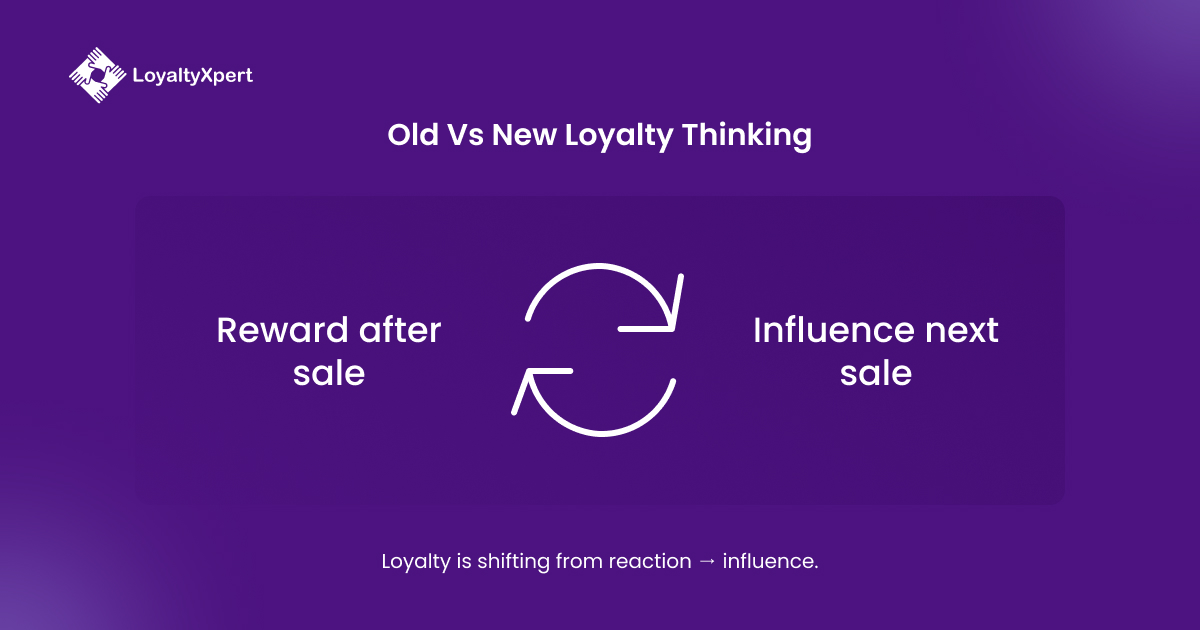
This creates a system where loyalty is not just rewarded, it is engineered.
2. Rise of Multi-Stakeholder Loyalty Ecosystems
Another major shift is the realization that loyalty does not exist in isolation. In manufacturing, the buying journey involves multiple stakeholders, each influencing the final decision.
Dealers, distributors, retailers, influencers, and even internal sales teams all play a role. If they are not aligned, growth becomes inconsistent and difficult to scale.
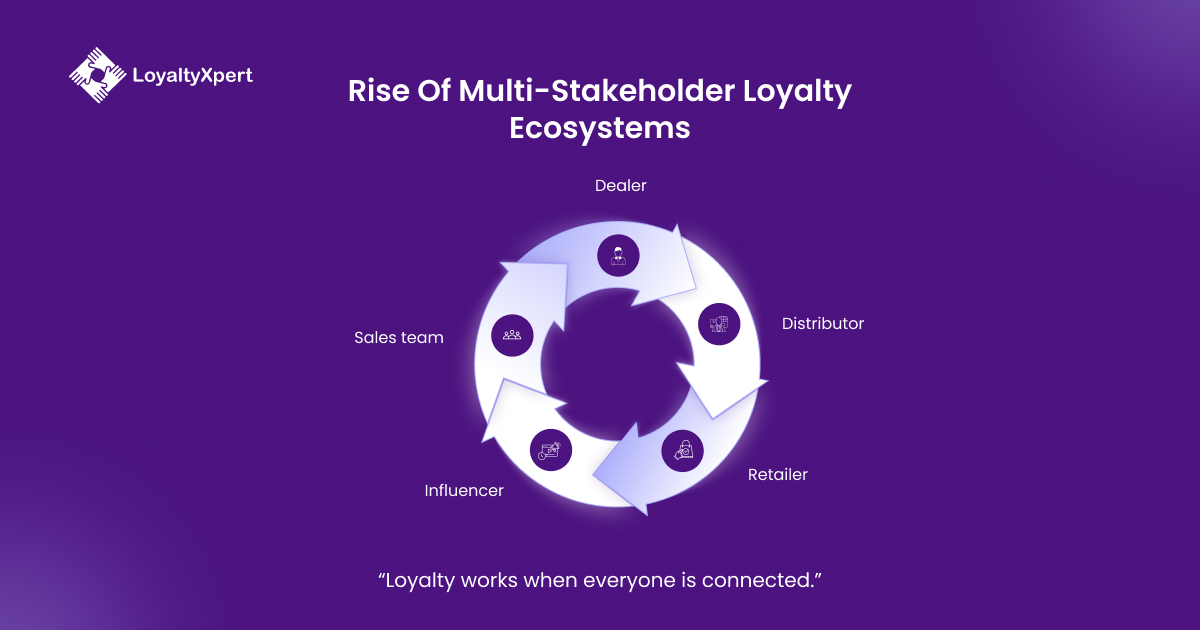
This is why a modern loyalty management platform for B2B companies must go beyond single-audience programs. It needs to bring all these stakeholders into one connected ecosystem, where incentives, communication, and engagement are aligned toward shared outcomes.
3. Loyalty as a Sales Acceleration Engine
Perhaps the biggest transformation is how loyalty is being positioned internally. It is no longer just a marketing initiative, but it is becoming a core part of the sales strategy.
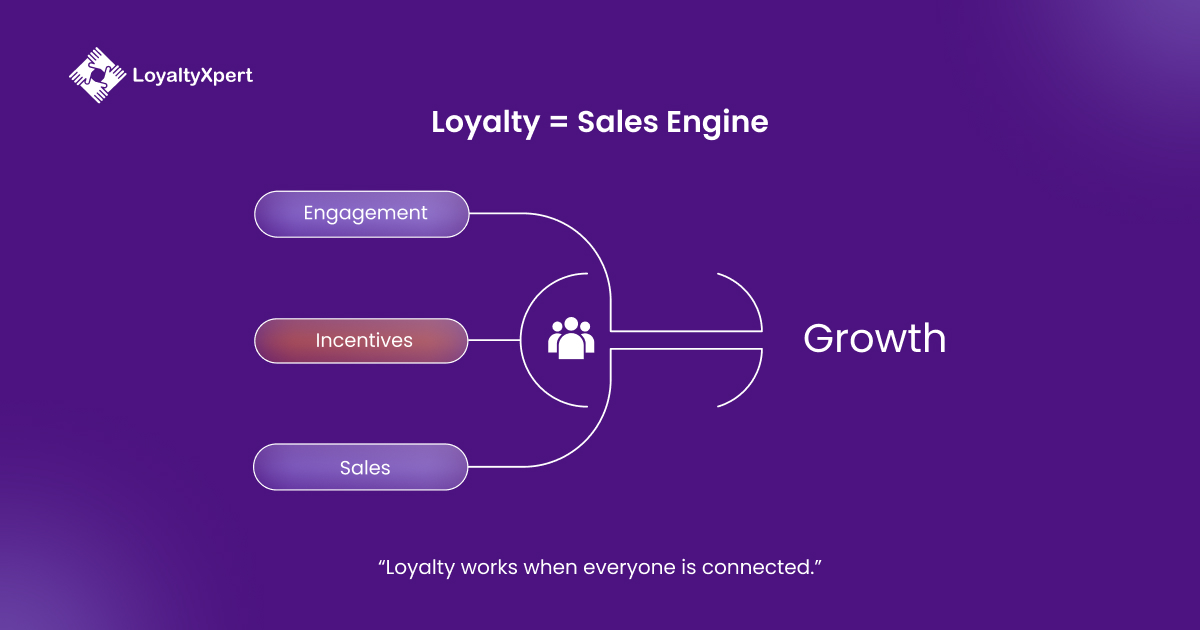
Manufacturers now expect their loyalty management software to directly impact:
- Purchase frequency
- Channel retention
- Secondary sales visibility
When done right, loyalty reduces the need for constant discounting and creates a more predictable, scalable growth model. It shifts the conversation from cost of rewards to return on influence.
💡 Did you know?
Businesses earn an average of $5+ ROI for every $1 spent on influencer and partner-led marketing programs.
The 2026 Manufacturer Loyalty Stack That Actually Matters Now
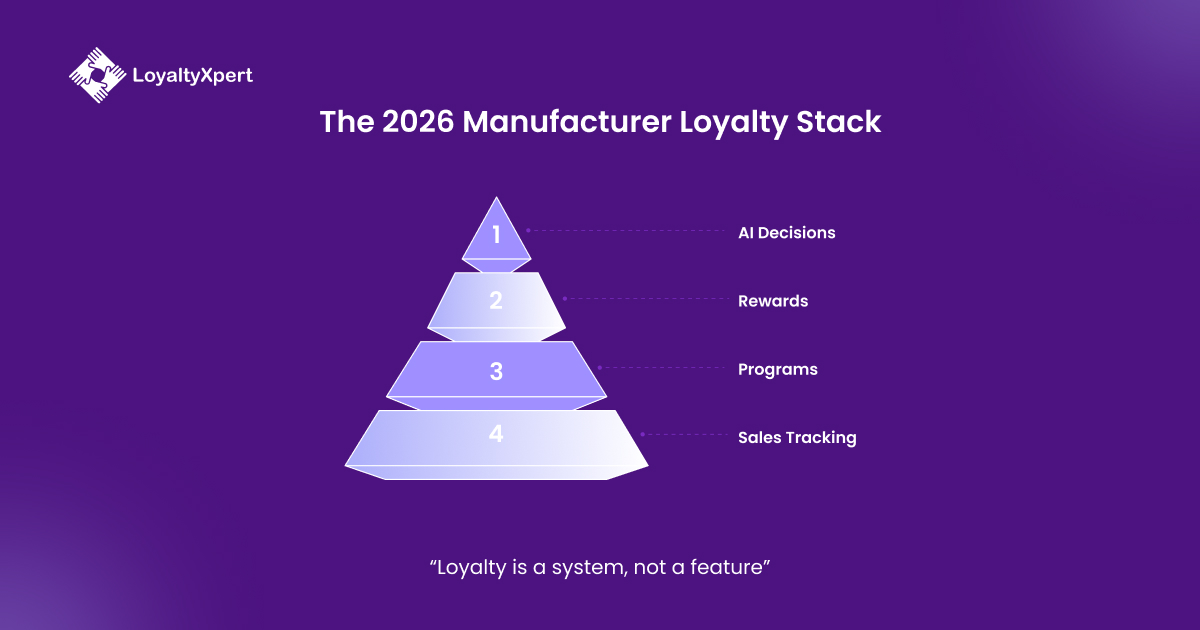
As expectations evolve, so does the definition of what makes the best loyalty management software. It is no longer about who offers the biggest reward catalog or the most campaigns. What matters is how well the platform fits into the real-world complexity of manufacturing.
1. Real-Time Decisioning vs Static Campaigns
Traditional loyalty programs operate in cycles. By the time insights are available, the opportunity is often lost. Modern loyalty management software enables real-time decision-making.
2. Multi-Layer Program Architecture
A single loyalty program is no longer sufficient. Manufacturers need the ability to run multiple programs simultaneously, each targeting a different audience but working toward a common goal.
3. Embedded Sales Tracking + Loyalty Convergence
Earlier, manufacturers had to rely on fragmented data, making it difficult to link incentives with actual performance. Today, leading dealer loyalty management software solutions bridge this gap by embedding sales tracking directly into the platform.
4. Digital-First Reward Infrastructure
Modern loyalty management platforms for B2B companies are built around digital-first reward systems. Automated fulfillment, instant gratification, and seamless redemption experiences are now standard expectations.
5. Predictive + Prescriptive Data Layer
Data reporting is no longer enough. Insights must lead to action. The best loyalty management software now leverages data to predict partner behavior, identify high-value opportunities, and recommend next-best actions.
6. A Shift from Programs to Systems
Manufacturers are no longer looking for isolated campaigns or short-term engagement tactics. They are investing in system-integrated platforms where sales, engagement, and incentives work together seamlessly.
Top 5 Loyalty Management Software for Manufacturers (2026)
With the evaluation framework in place, the platforms below stand out not because they offer more features but because they align more closely with how modern manufacturing businesses operate.
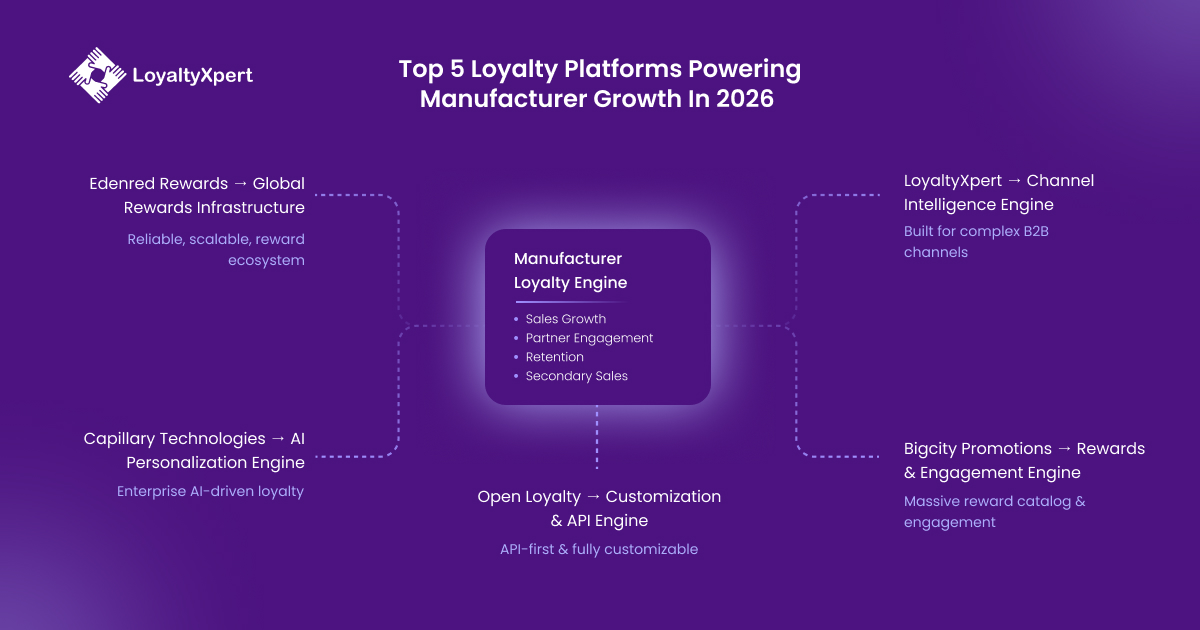
1. LoyaltyXpert – Best for Channel-Driven Sales Growth
As manufacturers scale, loyalty programs often become fragmented. Different schemes for different partners, disconnected data, and limited visibility impacts the actual sales. LoyaltyXpert addresses this challenge by bringing structure, intelligence, and control into one unified system. It is not just another loyalty management software. It is designed specifically for manufacturers who want to move from basic engagement to measurable channel-driven growth.
Best For
LoyaltyXpert is best suited for manufacturers managing large, multi-tier channel ecosystems where dealers, distributors, retailers, and influencers all play a role in driving sales.
If your business operates across multiple regions, with different partner behaviors and varying performance levels, this platform provides the flexibility and depth needed to manage that complexity. It works particularly well for organizations that have moved beyond basic schemes and are now looking to scale structured, long-term loyalty strategies.
Core Strength
The core strength of LoyaltyXpert lies in its ability to combine behavior-driven channel loyalty with hybrid program execution.
Instead of treating loyalty as a static reward system, it allows manufacturers to continuously influence partner behavior through targeted incentives, gamification, and real-time engagement. This makes it one of the best loyalty management software options for companies that want to actively shape demand rather than passively reward it.
Key Capabilities
LoyaltyXpert offers a comprehensive set of capabilities that align closely with the needs of modern manufacturing:
- It supports multiple program types, including channel, influencer, brand, and coalition loyalty programs, allowing businesses to engage different stakeholders within a single loyalty management platform.
- Its hybrid architecture enables manufacturers to run multiple programs simultaneously, ensuring flexibility without losing control.
- Real-time tracking and analytics provide visibility into partner performance, helping teams make faster, data-driven decisions.
- Seamless CRM integrations ensure that the loyalty engine works in sync with existing systems.
- Gamification and personalized rewards enhance engagement, making the experience more meaningful for partners.
- A built-in sales tracking application bridges the gap between loyalty execution and actual sales performance.
Together, these capabilities make it a strong loyalty management platform for B2B companies that need both depth and scalability.
Standout Differentiator
What truly sets LoyaltyXpert apart is its ability to converge three critical layers including loyalty, sales tracking, and behavioral influence, into one system.
Most platforms operate in silos, where loyalty is disconnected from sales data. LoyaltyXpert eliminates this gap, allowing manufacturers to track performance, influence decisions, and reward outcomes within the same ecosystem.
No CTA found.
This integration is what makes it a leading loyalty management software for manufacturers focused on real business impact.
Program Coverage Depth
LoyaltyXpert offers extensive coverage across the entire ecosystem. It does not limit engagement to a single audience but connects multiple stakeholders within one framework.
Manufacturers can use the platform to engage:
- Channel partners such as dealers and distributors
- Influencers who impact product recommendations
- End customers through brand programs
- Internal sales teams through incentive structures
Additionally, its support for hybrid and coalition programs allows businesses to combine multiple engagement strategies, creating a more holistic loyalty ecosystem.
Execution Model
The platform follows a hybrid execution model, offering both control and automation.
Manufacturers can design and manage programs based on their strategy while leveraging automation for processes like tracking, reward distribution, and reporting. This balance makes it suitable for organizations that want flexibility without increasing operational complexity.
Limitations
While LoyaltyXpert is powerful, it is not a plug-and-play solution in the traditional sense. To fully leverage its capabilities, manufacturers need a clear strategy and structured program design.
Organizations that are just starting with basic loyalty initiatives may require some time to adapt and align their processes with the platform.
Verdict for Manufacturers
For manufacturers focused on scaling channel-led revenue and building long-term partner relationships, LoyaltyXpert stands out as one of the best loyalty management software options in 2026.
It is particularly effective for growth-stage and enterprise businesses that need more than just engagement, that actually needs influence, visibility, and control.
2. Bigcity Promotions – Best for Fast Execution & Fulfillment
While some manufacturers focus on building long-term loyalty ecosystems, others prioritize speed and execution, like running campaigns quickly, engaging partners instantly, and ensuring rewards are delivered without delays.
Bigcity Promotions is built for this need. It positions itself as a loyalty management software that simplifies execution, making it easier for brands to launch and manage programs without operational bottlenecks.
The platform’s core strength lies in its end-to-end execution capabilities combined with a strong reward fulfillment infrastructure.
From onboarding partners to distributing rewards, Bigcity ensures that every stage of the program runs smoothly. This makes it a reliable loyalty management platform for businesses that value operational efficiency.
Bigcity’s biggest advantage is its execution reliability.
The platform covers key stakeholder groups, including channel partners, influencers, and sales teams. However, compared to more advanced systems, its depth in creating interconnected, behavior-driven ecosystems is relatively limited. It works best when programs are run independently rather than as part of a unified strategy.
3. Open Loyalty – Best API-First Loyalty Engine
Open Loyalty takes a very different approach. Instead of offering a fixed loyalty management software, it provides a flexible, API-first engine that allows businesses to build their own loyalty ecosystem from the ground up.
Manufacturers can define their own logic, workflows, and data architecture. This is particularly valuable for businesses with unique channel models or unconventional engagement strategies.
This means the platform can support a full ecosystem, but only if the organization invests in building it. For manufacturers willing to do so, it can evolve into a highly tailored loyalty management software for manufacturers.
Organizations without dedicated development resources may find it complex to implement and manage. Additionally, time-to-market can be longer compared to ready-to-deploy loyalty management software solutions.
4. Capillary Technologies – Best AI-Powered Loyalty Platform
As loyalty programs mature, another challenge surfaces, that is data overload without direction. Manufacturers collect vast amounts of customer and partner data, but struggle to convert it into meaningful action. Capillary Technologies addresses this gap by bringing AI-driven intelligence into the core of its loyalty management software.
It is best suited for large enterprises that need to manage loyalty across multiple markets, brands, and customer segments. Its core strength lies in AI-powered engagement combined with predictive decisioning frameworks.
Rather than reacting to past behavior, the platform anticipates future actions and recommends the next best step. However, while it covers multiple audiences, its strength lies more in customer-centric intelligence than deep channel behavior mechanics.
Additionally, the complexity and investment required may not be ideal for mid-sized companies or those just starting their loyalty journey. Factors like loyalty management software pricing can also be higher compared to simpler platforms.
5. Edenred Rewards – Best for Reward Infrastructure at Scale
In many loyalty programs, the biggest operational challenge is not engagement, it’s actually reward fulfillment. Delays, limited catalogs, and inconsistent delivery can quickly break trust with partners and customers.
Edenred Rewards addresses this challenge by focusing on a strong, scalable reward ecosystem within its loyalty management software.
It works particularly well for manufacturers running multiple engagement initiatives where reward distribution plays a critical role in program success.
From digital vouchers to physical rewards, the platform offers a wide range of options backed by strong fulfillment capabilities. This ensures that rewards are delivered accurately and on time.
While it excels in execution and fulfillment, it offers limited capabilities when it comes to advanced behavioral analytics, predictive engagement, or deep sales integration. For manufacturers focused on influencing partner behavior, this could be a constraint.
Hidden Gaps Manufacturers Should Watch Out For
Most loyalty programs don’t fail loudly. They fail silently.
Before selecting the best loyalty management software, manufacturers need to be aware of the hidden gaps that often go unnoticed during evaluation but show up strongly during execution.
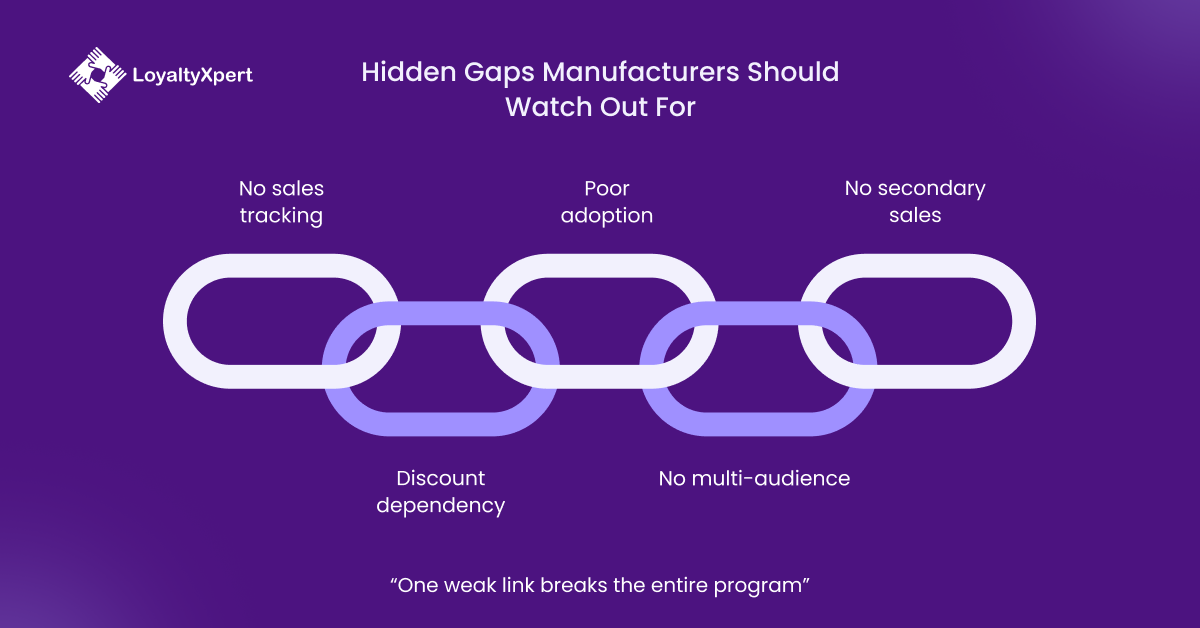
1. Loyalty Platforms Without Sales Tracking Integration
One of the most critical gaps in any loyalty management software for manufacturers is the lack of direct sales tracking.
Many platforms operate as engagement layers, completely disconnected from actual transactions. This creates a dangerous situation. Brands actually reward activity without knowing whether it translates into real sales. A strong dealer loyalty management software should not just reward, but also track, validate, and influence sales at every level.
2. Programs That Don’t Influence Secondary Sales
Primary billing data only tells part of the story. The real action happens in secondary sales, like what dealers push, what retailers recommend, and what actually moves off shelves.
Many loyalty programs ignore this layer completely. They reward purchases from the company but fail to influence how products are sold further down the chain. As a result, competitors can easily disrupt demand at the last mile.
3. Over-Dependence on Discount-Driven Engagement
Discounts are easy. They create instant spikes. But they rarely build long-term loyalty.
A common mistake manufacturers make is relying too heavily on schemes that resemble pricing tactics rather than engagement strategies. Over time, partners begin to expect incentives as a baseline, not as motivation.
This is where many loyalty management platforms fall short. They enable reward distribution but do not encourage behavioral change.
4. Lack of Multi-Audience Program Capability
Manufacturing ecosystems are not one-dimensional. You are not just dealing with customers, but you are managing dealers, distributors, influencers, and internal sales teams simultaneously.
Many platforms are designed for a single audience. This creates fragmented programs, where each stakeholder group is managed separately, often using different tools. The result is inconsistency, inefficiency, and missed opportunities for cross-influence.
5. Poor On-Ground Adoption by Channel Partners
Even the most advanced loyalty management software can fail if partners don’t actively use it.
This is one of the most overlooked gaps. Platforms are often selected based on features, not usability. But on-ground success depends on how easily dealers and retailers can adopt the system.
💡 Did you know?
Over 60% of customers stop buying from a brand not because of price, but due to friction, inconsistency, or poor post-purchase experience.
Putting It Together
Loyalty in manufacturing has evolved far beyond points, schemes, and short-term incentives. Today, the real challenge is not running programs, but building systems that can influence partner behavior, track real sales impact, and scale across complex ecosystems.
The right loyalty management software helps you move from scattered engagement to structured growth. Whether your focus is execution, customization, AI-driven insights, or reward infrastructure, the decision should align with how your business actually operates on the ground, not just what looks good in a feature list.
As you evaluate the best loyalty management software, think beyond immediate needs. Look for a platform that can grow with you, adapt to your channel complexity, and deliver measurable outcomes, not just activity.
For manufacturers aiming to bring together channel engagement, sales tracking, and long-term growth strategy, platforms like LoyaltyXpert are increasingly becoming part of that conversation. If you’re exploring what that could look like for your business, you can always get in touch for a discussion or request a demo to see how it fits into your current ecosystem, no pressure, just clarity on what’s possible.