 Max 10min read
Summary
This blog explains why channel loyalty programs are now essential for traditional manufacturers facing margin pressure, product commoditization, and rising channel switching. It outlines how modern, digital-first channel loyalty programs go beyond short-term schemes to build long-term dealer and distributor preference through structured rewards, real-time visibility, and data-driven engagement. The article covers key program types, common execution mistakes, enabling technology, and best practices, showing how manufacturers can turn channel loyalty into a scalable growth capability rather than a cost-driven incentive tactic.
Margins are tightening. Products are becoming harder to differentiate. And channel partners, dealers, and distributors are switching brands faster than ever. For traditional manufacturers, this pressure is no longer theoretical; it shows up directly in lost visibility and unstable sales.
Across industries like paints, laminates, PVC, and chemicals, channel partners play a decisive role in what finally reaches the market. While short-term schemes and discounts may drive temporary volume, they rarely build long-term preference. This is where channel loyalty programs become essential.
A well-designed channel loyalty program is not just a marketing tactic. It is growth infrastructure. It helps manufacturers reduce channel switching, improve brand recall at the point of sale, and create sustained engagement across dealer and distributor networks.
This guide explains how traditional manufacturers can design modern channel loyalty programs to compete effectively in today’s highly competitive market.
1. What Is a Channel Loyalty Program And What It Is Not?
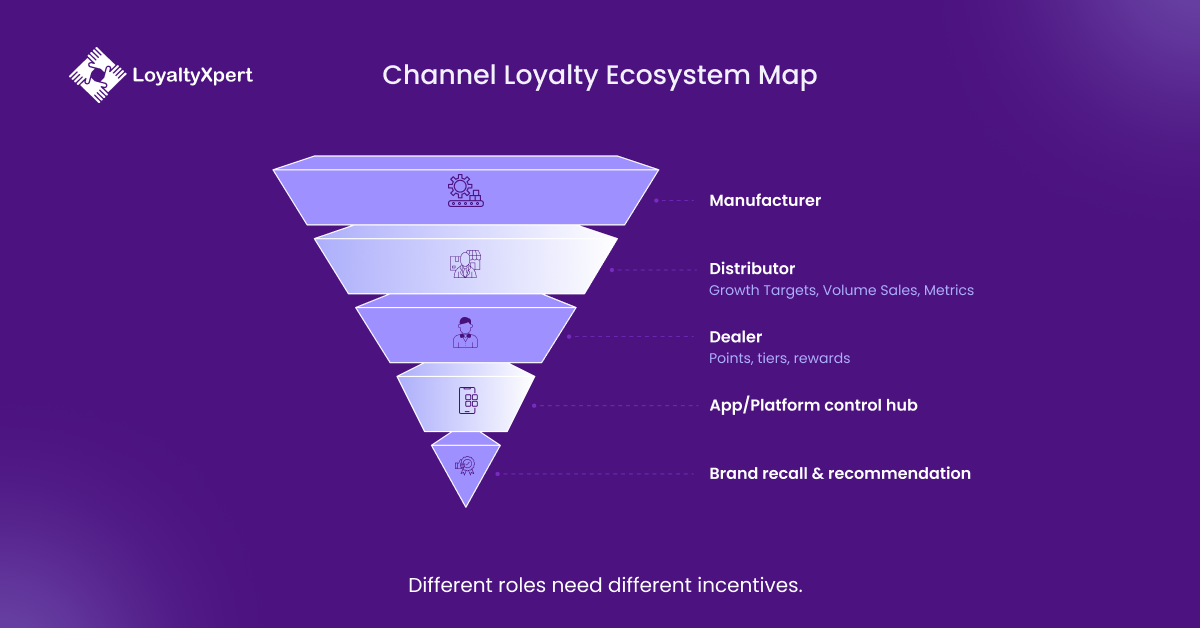
A channel loyalty program is a structured engagement model designed to motivate, reward, and retain channel partners such as distributors, dealers, retailers, and influencers, for behaviors that drive business growth. These behaviors may include sales performance, product mix focus, market expansion, training participation, or brand advocacy.
At its core, channel loyalty is about long-term partnership, not short-term incentives.
What Actually A Channel Loyalty Program Is?
- A structured, rule-based program that rewards consistent channel behavior
- A way to build preference among dealers and distributors, not just transactions
- A digital-first system, often powered by a loyalty management platform or loyalty program software
- A scalable approach used by leading loyalty program companies in India to manage complex channel networks
What A Channel Loyalty Program Is NOT?
- Not trade discounts: Discounts reduce margins and are forgotten quickly. Loyalty builds memory and preference.
- Not short-term schemes: Schemes end; loyalty programs evolve.
- Not influencer loyalty: Influencer programs target individuals. Channel loyalty focuses on the sales ecosystem.
- Not manual tracking: Modern programs use app-based loyalty programs with real-time visibility.
This distinction matters because many manufacturers still confuse channel loyalty with incentives. True channel partner loyalty requires a system that tracks performance fairly, rewards transparently, and engages consistently across distributor loyalty programs and dealer loyalty programs.
In India, especially, where channel structures are layered and fragmented, digital channel loyalty programs are becoming essential. They help manufacturers gain visibility beyond the distributor level and build stronger relationships across the channel value chain.
When done right, channel loyalty programs don’t just improve sales, but they change how the channel chooses your brand every single day.
2. Why Channel Loyalty Programs Matter More Today
Traditional manufacturers are discovering a hard truth: push-based selling is losing its power. Discounts, schemes, and periodic offers may move inventory for a quarter, but they no longer guarantee loyalty. Channel partners today have more choices, thinner margins, and less patience for brands that engage only when targets are missed.
This is why channel loyalty programs matter more than ever. When designed well, they shift the relationship from transactional to strategic.
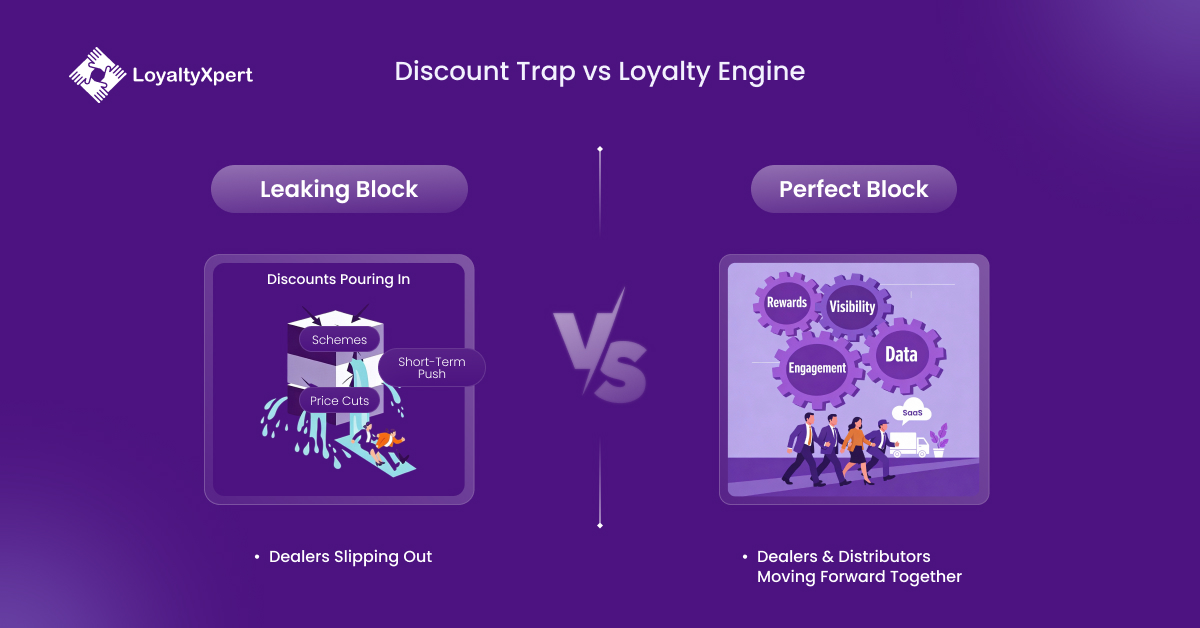
Here’s what modern channel loyalty programs deliver in practice:
- Reduced channel churn: Dealers and distributors are less likely to switch brands when they see long-term value beyond price.
- Stronger channel partner loyalty: Partners prioritize brands that recognize effort, consistency, and growth, not just volume.
- Better sell-out visibility: Digital and app-based loyalty programs give manufacturers insights beyond primary sales.
- Improved brand preference at the retailer level: Loyalty creates pull-through demand, influencing what gets recommended to end customers.
- Higher ROI: Compared to mass discounts, structured loyalty programs deliver measurable returns with better control.
In today’s market, loyalty doesn’t push products into the channel. It pulls demand through the channel, and that difference defines competitive advantage.
3. Key Challenges Traditional Manufacturers Face Today
Many manufacturers launch dealer or distributor loyalty programs with good intent, only to see engagement drop after the first few months. The issue is rarely the idea; it’s the execution.
Some of the most common challenges include:
- Channel leakage and duplicate claims: Manual tracking leads to disputes, mistrust, and revenue loss.
- Low visibility beyond distributors: Manufacturers struggle to understand dealer- or retailer-level performance.
- Scheme misuse and fraud: Without clear eligibility rules, incentives are often exploited.
- Poor engagement after launch: Static programs fail to sustain interest over time.
- Lack of real-time performance data: Decision-making remains reactive instead of proactive.
These challenges explain why many traditional programs fail. They also highlight the growing need for digital channel loyalty program solutions in India that are built on robust loyalty management platforms, not spreadsheets and ad-hoc processes.
4. Types of Channel Loyalty Programs Manufacturers Should Run
Effective channel loyalty programs are not one-size-fits-all. Dealers, distributors, and retailers operate differently, and your loyalty strategy must reflect that reality.
Sales-Driven Programs
These focus on volume, growth, and consistency.
- Achievement-based incentives tied to sales targets, product mix, or margins
- Tier and points-based dealer loyalty programs that reward sustained performance
2. Behavior-Driven Programs
These encourage actions that support long-term growth.
- Activity-based rewards for promotions, visibility, or data sharing
- Referral incentives that help expand the channel footprint
No CTA found.
3. Knowledge & Capability Programs
These strengthen the channel’s ability to sell better.
- Incentivized training, certifications, quizzes, and product learning
- Programs that reward expertise, not just sales
4. Relationship-Driven Programs
These build emotional and strategic loyalty.
- Personalized rewards based on partner preferences
- Recognition programs, trade events, and exclusive experiences
Modern loyalty program software also enables eligibility-based participation, ensuring the right incentives reach the right partners, whether it’s a distributor loyalty program or a dealer-focused initiative. This structure is critical for manufacturers looking to scale channel loyalty without losing control.
5. Rewards & Incentives That Actually Motivate Channel Partners
One of the fastest ways a channel loyalty program fails is when rewards feel outdated, delayed, or irrelevant. Channel partners today compare your program not just with competitors, but with every other digital experience they interact with daily.
Modern channel loyalty programs must go beyond generic gifts, cashback & points, and delayed payouts.
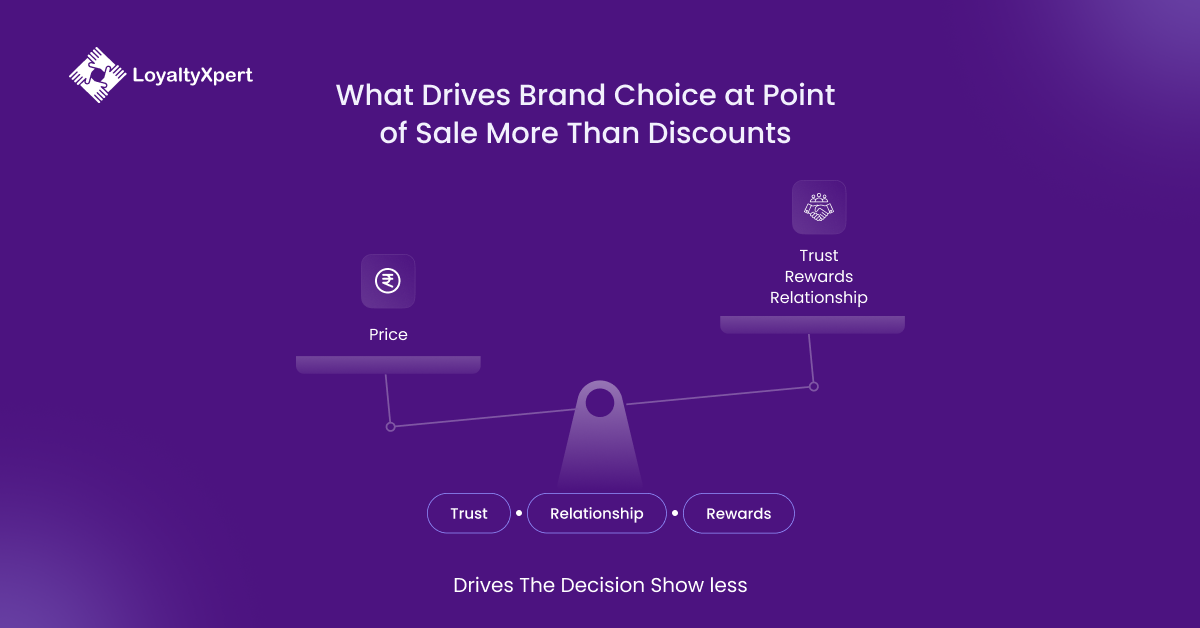
What works today?
- Personalized rewards: Dealers and distributors value choice. Flexible catalogs let partners redeem rewards that suit their needs, not assumptions.
- Balanced cash and non-cash mix: While cash incentives drive short-term action, non-cash rewards build longer-term channel partner loyalty.
- Instant gratification: Delayed gratification kills engagement. Instant point credit and quick redemption build trust.
- Experiential rewards: Travel, events, and exclusive experiences create emotional attachment that discounts never will.
- App-based redemption: Partners expect mobile-first experiences with simple, transparent reward redemption.
The closer rewards feel to effort, the stronger the motivation. This is where a well-designed dealer loyalty program or rewards program software for distributors makes a measurable difference.
Fun Fact
Personalized rewards and instant gratification increase dealer motivation far more than bigger catalogs.
6. Technology Behind Winning Channel Loyalty Programs
Strong intent without the right technology leads to weak outcomes. Today’s successful programs are powered by purpose-built channel loyalty platforms, not manual processes or disconnected tools.
A modern digital channel loyalty program in India typically includes:
- App-based loyalty program access: Easy onboarding, real-time updates, and anytime visibility for partners.
- Invoice uploads and QR codes: Simple ways to validate transactions and reduce claim disputes.
- Real-time points visibility: Partners always know where they stand, no guesswork, no mistrust.
- Distributor–dealer hierarchy management: Clear structures ensure incentives flow correctly across channel levels.
- Rule-based eligibility and approvals: Prevent misuse while keeping programs fair and transparent.
This is where robust loyalty management platforms and specialized channel loyalty solutions for manufacturing businesses outperform generic tools. Technology is no longer a support function, but it is the backbone of scalable channel loyalty.
7. Data, Visibility & ROI Measurement
Leadership teams don’t question the idea of loyalty, but they actually question its impact. Without data, even the best programs struggle to justify continued investment.
High-performing channel loyalty programs are built with visibility and accountability at their core.
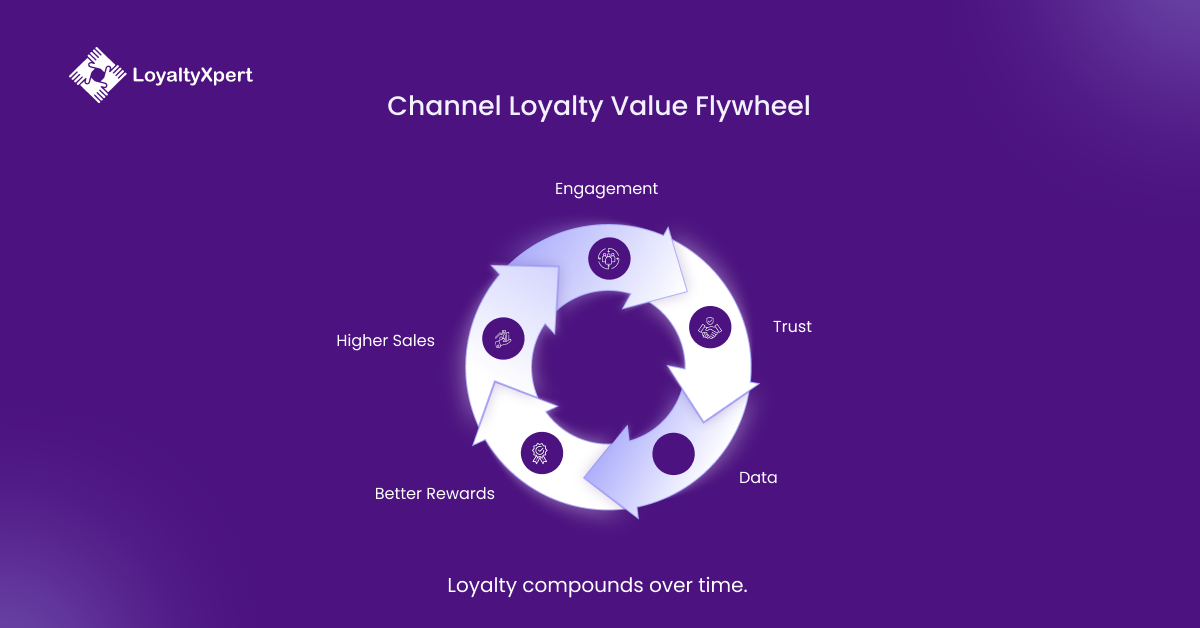
What decision-makers expect today?
- Real-time dashboards: Track performance at distributor, dealer, and retailer levels.
- Partner-level insights: Understand who is growing, who is stagnating, and why.
- Fraud prevention and audit trails: Every reward must be traceable and justifiable.
- ROI beyond sales numbers: Measure engagement, repeat behavior, and long-term channel stability.
When supported by the right loyalty program software, loyalty becomes a strategic asset, not a cost center. This clarity is exactly how manufacturers can improve channel loyalty while maintaining financial discipline.
Did you know?
Loyalty programs that don’t track mid-tier partners miss the biggest growth opportunity in the channel.
8. Best Practices to Design a High-Impact Channel Loyalty Program
Even the best-designed channel loyalty programs can underperform if execution is weak. Successful manufacturers approach loyalty the same way they approach production or distribution, with discipline, testing, and continuous improvement.
Here are proven best practices that work on the ground:
- Start simple, then scale fast: Avoid launching with complex rules. Begin with clear goals and expand once partners understand the program.
- Pilot with priority partners: Test the program with key dealers or distributors before rolling it out nationally.
- Communicate rules clearly: Confusion leads to disputes. Transparent earning, eligibility, and redemption rules build trust.
- Keep rewards achievable: If targets feel unrealistic, engagement drops quickly, especially among mid-tier partners.
- Refresh programs periodically: Stagnant programs lose relevance. Update rewards, campaigns, and mechanics to maintain excitement.
These practices answer a critical question many leaders ask: how manufacturers can improve channel loyalty without increasing operational burden.
9. Common Mistakes Manufacturers Make
Many traditional manufacturers invest heavily in channel loyalty programs, but small mistakes quietly erode impact. Knowing these red flags early can save time, money, and relationships.
Common pitfalls include:
- Over-complicated rules: If partners need a manual to understand rewards, participation drops.
- Delayed rewards: Long redemption cycles break trust and reduce motivation.
- Ignoring mid-tier partners: Focusing only on top performers leaves growth potential untapped.
- One-size-fits-all incentives: Dealers, distributors, and retailers are motivated differently.
- No engagement plan after launch: Loyalty programs fail when there’s no ongoing communication or nudges.
Avoiding these mistakes is often more important than adding new features to your dealer loyalty program or distributor loyalty program.
10. Bringing It Together
For traditional manufacturers, channel loyalty programs have become essential to staying competitive in a market defined by tight margins, channel switching, and product commoditization. The brands that win are those that treat channel loyalty as a long-term capability, not a one-time scheme. Clear program rules, relevant rewards, strong technology support, and real-time visibility together create trust, consistency, and sustained engagement across dealers and distributors.
A well-designed channel loyalty program doesn’t just boost sales; it improves relationships, reduces disputes, and gives leadership the confidence that incentives are driving the right behaviors. When loyalty is easy to understand, rewarding to participate in, and backed by reliable data, channel partners naturally choose your brand over others.
To build and scale such programs, manufacturers need a proven loyalty partner. LoyaltyXpert works closely with manufacturing brands to design, launch, and manage digital channel loyalty programs that deliver measurable results. To explore how this can work for your business, contact us today or request a demo to see the LoyaltyXpert platform in action.