 Max 12min read
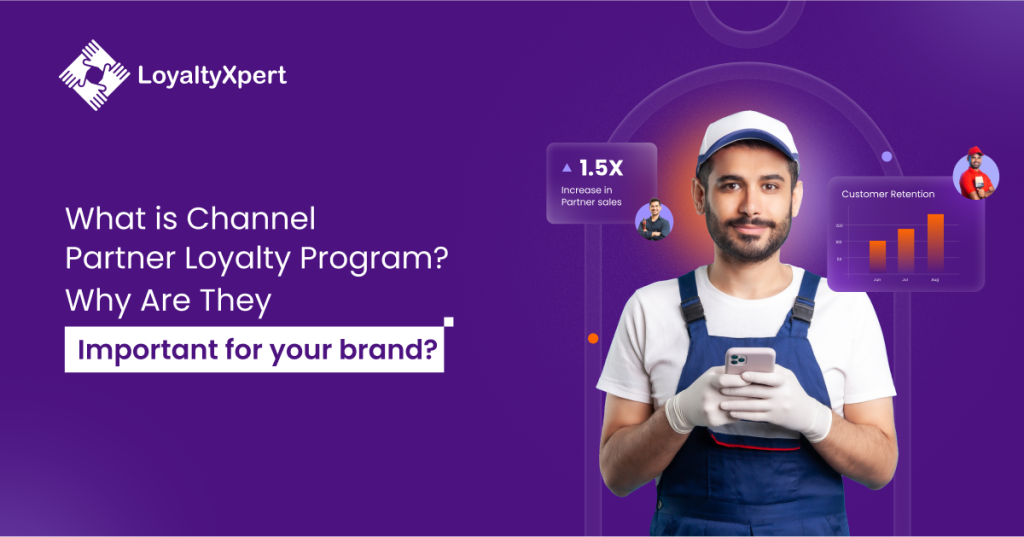
A channel partner loyalty program helps manufacturers strengthen relationships with dealers, distributors and retailers by rewarding eligible purchases, sales performance and partner engagement. It provides a structured way to motivate channel partners, encourage repeat purchases and support business growth.
In this guide, explore how channel partner loyalty programs work, their different types, key benefits and how manufacturers can build an effective program.
What is a Channel Partner Loyalty Program?
A channel partner loyalty program is a structured initiative designed to reward and engage business partners who contribute to a manufacturer’s sales and distribution network. These partners may include distributors, dealers, retailers, wholesalers, contractors, installers and other trade influencers.
The program encourages partners to maintain business relationships with a manufacturer by offering rewards and recognition for eligible purchases, sales performance, participation in promotional activities and other defined business objectives.
Unlike consumer loyalty programs that focus on individual shoppers, channel partner loyalty programs are designed for business-to-business relationships. Their purpose is to motivate channel partners, encourage repeat purchases, support product sales and strengthen long-term business relationships.
For example,
A paint manufacturer may reward dealers for purchasing eligible products, while an electrical cable manufacturer may introduce a points-based program for distributors and retailers based on qualifying invoice transactions.
A well-designed program gives manufacturers a structured way to engage their channel network while providing partners with meaningful reasons to continue participating.
How Does a Channel Partner Loyalty Program Work?
A channel partner loyalty program generally follows a defined process. Manufacturers establish program rules, enroll eligible partners, track qualifying business activities and distribute rewards according to the scheme.
Here is how the process typically works:
1. Partner Enrollment
Manufacturers identify eligible channel partners, such as dealers, distributors, retailers and influencers, and register them in the loyalty program.
Partner details, business information and required verification documents may be collected during registration.
2. Define Loyalty Rules and Earning Criteria
The manufacturer defines which activities qualify for rewards. These may include eligible product purchases, invoice submissions, sales targets, promotional participation or other program-specific activities.
For example, a dealer may earn points for purchasing selected product categories or achieving a defined purchase target.
3. Track Purchases and Partner Activities
Eligible transactions and activities are recorded through loyalty reports the program’s defined processes. Depending on the program design, partners may submit invoices, scan QR codes or use a mobile application to participate.
This helps manufacturers maintain a structured record of partner participation and qualifying transactions.
4. Calculate and Allocate Rewards
Based on the predefined rules, eligible points, bonuses or other rewards are calculated and credited to partner accounts.
Manufacturers can introduce different earning structures for different partner categories, product groups or promotional campaigns.
5. Enable Reward Redemption
Partners can view their eligible reward balance and redeem available rewards according to the program’s terms.
Depending on the scheme, loyalty redemption options may include gift vouchers, merchandise, digital rewards or other approved benefits.
6. Monitor Program Performance
Manufacturers review program participation, purchases, reward activity and other performance indicators to understand how the program is performing and where improvements are needed.
Why Do Manufacturers Need a Channel Partner Loyalty Program?
Manufacturers depend on their channel partners to distribute products, develop local markets and maintain customer relationships. However, partners often work with multiple brands and manufacturers, making it important for businesses to create consistent engagement.
A channel partner loyalty program can support manufacturers in several ways.
Improve Dealer and Distributor Engagement
Regular reward opportunities and structured engagement activities give channel partners additional reasons to participate in a manufacturer’s program.
Manufacturers can communicate new schemes, share product updates and recognize partner contributions through a centralized engagement approach.
Encourage Repeat Purchases
Purchase-based reward schemes can motivate partners to continue purchasing eligible products from the manufacturer.
For example, a manufacturer may introduce additional rewards for dealers who achieve defined purchase milestones within a particular period.
Support New Product Launches
Manufacturers can introduce product-specific incentives to encourage channel partners to stock, promote or purchase newly launched products.
This can help create awareness and support the introduction of new product categories across the distribution network.
Strengthen Brand Preference
A structured loyalty program can help manufacturers build stronger relationships with channel partners through consistent rewards, recognition and communication.
Rather than relying only on price-based competition, manufacturers can create additional value for their business partners.
Improve Channel Network Visibility
When partner purchases and program activities are recorded systematically, manufacturers can gain better visibility into participation, reward utilization and transaction patterns.
These insights can support more informed decisions about future loyalty campaigns and partner engagement strategies.
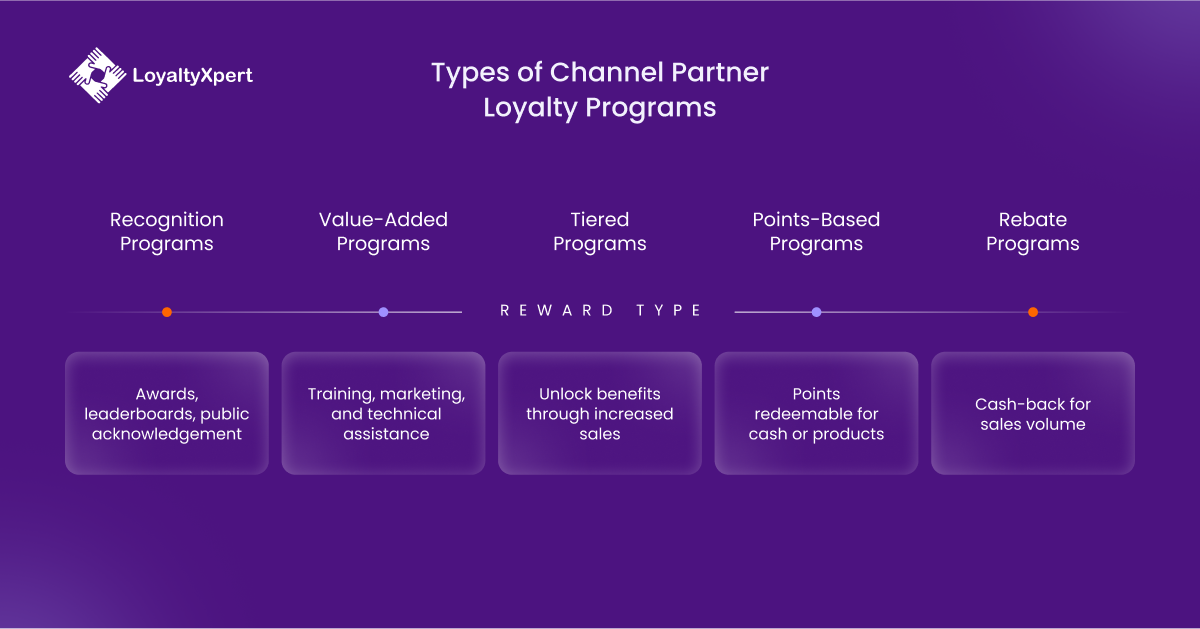
Types of Channel Partner Loyalty Programs
Different businesses need different approaches to partner loyalty. Like choosing the right tool for a specific job, selecting the right program type depends on your industry and partner relationships.
1. Points-Based Loyalty Programs
In a points-based loyalty program, channel partners earn points for eligible purchases or predefined activities. Accumulated points can then be redeemed for available rewards.
For example, an electrical products manufacturer may offer points for every qualifying purchase made by a registered dealer.
This model is useful when manufacturers want to create a straightforward reward structure that partners can understand and participate in.
2. Tier-Based Loyalty Programs
Tier-based loyalty programs classify partners into different levels according to predefined criteria such as purchase volume, sales performance or participation.
For example, dealers may be grouped into Silver, Gold and Platinum categories.
Each tier can have different benefits, reward opportunities or recognition privileges. This encourages partners to work towards higher performance levels.
3. Sales and Purchase-Based Incentive Programs
These programs reward partners for achieving defined sales or purchase targets.
A manufacturer may offer additional rewards to distributors who achieve quarterly purchase targets or dealers who meet specific product sales milestones.
The criteria should be transparent, measurable and aligned with business objectives.
4. Rebate and Bonus Programs
Rebate programs provide financial benefits to eligible partners based on qualifying purchases or performance.
For example, a manufacturer may offer a predefined rebate when a distributor achieves a particular purchase target during a campaign period.
Bonus programs can also provide additional rewards for achieving specific milestones or participating in promotional schemes.
5. Engagement and Recognition Programs
Not all channel partner engagement needs to be based entirely on purchases.
Manufacturers can recognize partners for activities such as product training, certification, promotional participation, brand advocacy or other approved engagement initiatives.
These programs can help manufacturers build relationships beyond transactional interactions.
Note for manufacturers:
Different program types can be combined. For example, a manufacturer may operate a points-based program with tier-based benefits and additional product-specific bonuses.
For a deeper look at incentive structures, explore our guide to channel partner incentive programs.
The key is matching your program type to partner preferences and business objectives. Many successful companies combine multiple approaches to create comprehensive loyalty program strategies that address different partner motivations and market segments.
Key Benefits of Channel Partner Loyalty Programs
A well-planned channel partner loyalty program can create value for both manufacturers and their business partners.
1. Stronger Partner Relationships
Consistent engagement, transparent reward rules and meaningful recognition help manufacturers maintain stronger relationships with their channel network.
2. Increased Partner Participation
Reward campaigns, promotional schemes and engagement initiatives encourage eligible partners to participate more actively in the manufacturer’s program.
3. Better Product Sales Support
Manufacturers can introduce product-specific campaigns and purchase incentives to support selected product categories and sales objectives.
4. Improved Partner Recognition
Performance-based rewards and tier structures give manufacturers a way to recognize partners who contribute to their business goals.
5. More Structured Reward Management
A dedicated program helps organize partner enrollment, qualifying transactions, reward calculations and redemption activities.
6. Better Program Insights
Reports on purchases, participation, reward allocation and redemption can help manufacturers understand program performance and identify areas for improvement.
Key Elements of an Effective Channel Partner Loyalty Program
Launching a loyalty program is only the beginning. Manufacturers need to create a program that is easy to understand, relevant to their channel network and manageable over time.
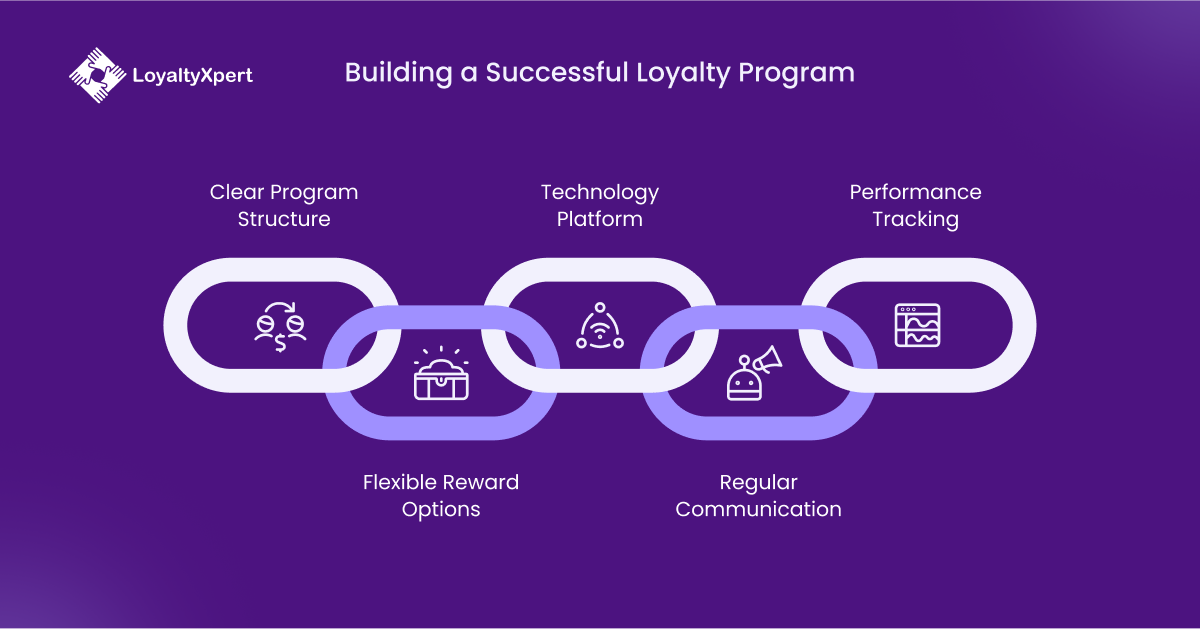
Consider these essential elements:
Clear Program Objectives
Define what the program is expected to achieve. Objectives may include improving partner participation, supporting repeat purchases, promoting selected products or strengthening distributor relationships.
Simple and Transparent Reward Rules
Partners should clearly understand how they can earn rewards, what activities qualify, how points are calculated and when rewards can be redeemed.
Complex or unclear rules can reduce partner confidence and participation.
Relevant Rewards
Reward options should reflect the expectations of the participating partner groups.
Manufacturers can consider merchandise, gift vouchers, digital rewards, experiences or other suitable benefits based on their program design.
Partner Segmentation
Different channel partners may have different business priorities. Manufacturers should consider partner categories, purchase patterns, location and product mix when designing loyalty schemes.
Learn more about how to personalize channel loyalty programs.
Easy Access and Participation
Partners should be able to understand their program status, track eligible activities and access available rewards without unnecessary complexity.
Mobile-friendly access and clear communication can support participation across distributed channel networks.
Regular Performance Reviews
Manufacturers should review program results periodically and adjust their schemes when required.
How to Build a Successful Channel Partner Loyalty Program
Building an effective program requires planning, clear rules and continuous evaluation.
Here is a practical approach for manufacturers.
Step 1: Understand Your Channel Network
Identify the different partner categories involved in your distribution network.
Understand their roles, business models, purchase patterns and engagement requirements before deciding on the program structure.
Step 2: Define Business Goals
Decide what the program should accomplish.
For example, your goals may include:
- Encouraging repeat purchases.
- Supporting sales of selected products.
- Improving dealer and distributor participation.
- Recognizing high-performing partners.
- Strengthening relationships with trade influencers.
Step 3: Select the Right Loyalty Structure
Choose a program model that fits your objectives and distribution network.
You may use points-based rewards, performance incentives, tier-based schemes or a combination of different structures.
Step 4: Define Earning and Redemption Rules
Establish clear criteria for earning rewards and using them.
Specify eligible products, purchase conditions, campaign periods, reward values, redemption procedures and other applicable terms.
Step 5: Communicate the Program to Partners
Explain the program, its benefits, participation requirements and reward process to eligible partners.
Use appropriate communication channels to keep partners informed about new campaigns and important updates.
Step 6: Track Participation and Results
Monitor enrollment, active participation, qualifying purchases, reward allocation and redemption.
Review the results against your original business objectives.
Step 7: Improve the Program Over Time
Use program insights and partner feedback to refine reward structures, introduce relevant campaigns and improve the overall experience.
Channel Partner Loyalty Program Examples Across Manufacturing Industries
The structure of a loyalty program should reflect the products, distribution model and business requirements of each manufacturing industry.
Here are some illustrative examples.
Paint and Coatings Industry
A paint manufacturer can introduce a loyalty program for dealers and painters.
Dealers may earn rewards on eligible purchases, while painters may participate in separate engagement or reward schemes based on predefined activities.
Product-specific campaigns can also encourage partners to promote selected paint ranges.
Plywood and Laminates Industry
Plywood and laminate manufacturers can introduce purchase-based rewards for dealers and distributors.
They may also create separate schemes for different product categories, allowing manufacturers to support the sales of selected products.
Wires and Cables Industry
Wires and Cables Manufacturers can reward eligible purchases made by dealers, retailers and distributors through QR-based or invoice-based earning mechanisms, depending on the program design.
Additional incentives can be introduced for defined purchase milestones or selected product categories.
Automotive and Auto Components Industry
Automotive manufacturers and component suppliers can engage dealers, distributors and workshops through purchase rewards, performance-based incentives and product engagement campaigns.
Bathware and Sanitaryware Industry
Manufacturers can create loyalty schemes for dealers and retailers to encourage purchases of eligible product ranges and support new product promotions.
These examples demonstrate how manufacturers can adapt the same fundamental loyalty principles to different channel structures and business requirements.
How Technology Helps Manage Channel Partner Loyalty Programs
Managing a large channel partner network manually can become difficult as the number of partners, transactions, schemes and reward activities increases.
A dedicated loyalty management platform can help manufacturers organize these activities through a more structured digital system.
Depending on the platform’s capabilities, technology can support:
- Partner Registration and Management: Maintain partner profiles and program participation details.
- Transaction Tracking: Record eligible purchase transactions through supported submission methods.
- QR and Invoice-Based Earning: Enable partners to earn rewards through configured QR code or invoice-based schemes.
- Configurable Loyalty Schemes: Create different earning rules, bonus schemes and promotional campaigns.
- Tier-Based Programs: Define partner levels and associated benefits using configured eligibility criteria.
- Reward and Redemption Management: Manage available rewards and redemption activities.
- Mobile Access: Give partners access to supported program activities through a mobile application.
- Reports and Dashboards: Review program transactions, reward activities and participation through available reporting tools.
The right technology should match the manufacturer’s distribution structure, program complexity and operational requirements.
How LoyaltyXpert Supports Channel Partner Loyalty Management
LoyaltyXpert is an AI-driven channel management platform designed to help manufacturers manage, engage and grow their dealer, distributor and influencer networks.
It brings loyalty and reward management together with supporting channel management solutions to help businesses organize partner engagement and related activities.
With LoyaltyXpert, manufacturers can access capabilities such as:
- Configurable loyalty and reward programs.
- QR code and invoice-based reward earning.
- Tier-based loyalty schemes.
- Bonus and promotional campaigns.
- Multi-wallet reward management.
- Instant reward redemption.
- E-vouchers and merchandise rewards.
- Partner engagement and gamification.
- Multi-language support.
- Reports and dashboards for program monitoring.
Manufacturers can configure their programs according to their business requirements and partner engagement strategies.
Explore the LoyaltyXpert Channel Loyalty Program to understand how the platform can support your channel partner engagement initiatives.
Looking to build a structured loyalty program for your dealer and distributor network? Request a LoyaltyXpert demo
Build Stronger Channel Relationships with LoyaltyXpert
Give your dealers, distributors and other channel partners meaningful reasons to stay engaged with your brand. Explore how LoyaltyXpert can help you manage loyalty programs, rewards and partner engagement through one connected platfor Request a Demo