Coalition Loyalty Programs: The Complete Guide for 2025

Loyalty programs have been a staple of the marketing world for many years now. They work as an enduring strategy that fosters brand loyalty and encourages repeat business. That’s why, both small and big brands, are implementing and running loyalty programs for customer retention. 

However, with the rise of customer demand and competition, brands are constantly looking for innovative ways to reimagine loyalty programs. Research reports about 66% of a brand’s consumer base modifies their brand spending to get the most loyalty benefits. This is where the coalition loyalty program comes into the picture. In coalition loyalty programs, multiple brands join hands to offer a unified loyalty framework to their customers. It provides customers with greater rewards and benefits in a single program.

As we set sail into the waters of 2024, let’s dive deeper into understanding the coalition loyalty programs. In this comprehensive guide, we shed light on the key components and benefits of coalition loyalty programs. 

Getting Familiar With Coalition Loyalty Programs

Coalition loyalty programs are different from traditional loyalty programs as they involve a collaborative rewards structure. In this, two or more brands come together under a single rewards umbrella. Coalition loyalty programs enable brands to target a wider customer base and leverage shared customer data to offer more personalized loyalty experiences.

This interconnected ecosystem also allows customers to earn rewards and benefits from multiple brands through a single loyalty program. Hence, customers enjoy a holistic and rewarding experience with these programs. 

One common example of coalition loyalty programs is travel loyalty programs where airlines and hotels join hands to offer a unified framework to their customers. Customers can earn rewards or points and redeem rewards across a number of non-competing businesses. These businesses may include car rental services and restaurant or cafe chains. This enhances the overall attractiveness and reach of rewards, which leads to increased revenue for the involved brands.

In short, with coalition loyalty programs, you can reimagine the way you offer loyalty programs to your customers and unlock new growth opportunities. Now, let’s move ahead and learn the benefits of launching coalition loyalty programs and how to create one.

Why Should Brands Launch Coalition Loyalty Programs?

Coalition Loyalty Programs are redefining the way brands approach customer retention and engagement. Here are a few benefits associated with coalition loyalty programs:

Expanded Customer Base

One of the primary advantages of coalition loyalty programs is they provide businesses with the opportunity to tap into a wider customer base. When businesses from different sectors come together, it transcends industry boundaries. Hence, one brand can leverage the reach of another brand to expand its customer base. This leads to cross-promotion and enhanced brand visibility.

Enhanced Customer Engagement

Imagine a scenario where a customer is earning loyalty points after purchasing at a grocery store. Now, the customer can redeem those points to get a discount on the bill for a spa treatment or at a coffee shop. This enhances the overall experience of the customer. It also introduces them to new brands with which they may have not engaged otherwise.

Enhanced Customer Loyalty

One of the common challenges with traditional loyalty programs is brands often struggle to keep up with the ever-evolving expectations of customers. This challenge is addressed by coalition loyalty programs by providing customers with flexibility and value. With this program, customers can use their loyalty rewards across a broad spectrum of brands. This, in turn, enhances customer experience and their loyalty.

Data Collaboration and Holistic Insights

Coalition loyalty programs include sharing valuable customer data across multiple brands. This provides brands with the opportunity to unlock the treasure chest of customer data. It provides a more holistic view of the customer journey, as brands gain insights into customer preferences, purchasing habits, and trends. Brands can use this data to create more personalized experiences for their customers. 

Cost-Effective Marketing

When brands collaborate, the implementation and management expenses of the program are shared between them. This takes a significant amount of burden off their shoulders. It allows brands to pool their resources, expertise, and marketing efforts, leading to a cost-effective loyalty program that benefits all participants. The cost-effectiveness of coalition loyalty programs not only benefits brands but also enhances the overall value proposed for customers. This makes it a win-win situation for all.

Creating a Coalition Loyalty Program

Launching a successful coalition loyalty program requires a well-thought-out and strategic implementation. There are a few key elements that the brands have to consider when launching this program. Here are a few essential steps that brands can take to create and launch an effective coalition loyalty program:

Step 1. Set Clear Program Objectives

Before starting the journey of creating a coalition loyalty program, it is crucial to have clear objectives and goals in place. The objectives should align with all participating brands and their goals. With well-thought-out objectives and goals, brands can strategize the entire program’s design and help measure its success.

Step 2. Build Strong Partnerships

One of the most important aspects of creating a coalition loyalty program is choosing the right partners. A diverse and extensive network of partners is the cornerstone of a successful coalition loyalty program. The offerings by all partners should complement each other. For this, a brand can consider factors like customer demographics, market positioning, and brand reputation. 

Step 3. Robust Integrated Technology Platform

Investing in a cutting-edge technology platform lays the foundation for the successful and seamless functioning of a coalition loyalty program. The platform should facilitate easy integration among coalition partners. It should also enable smooth transactions, rewards tracking, and customer interactions. A well-integrated platform will ensure a hassle-free experience for both brands and customers. 

Step 4. Creating a Comprehensive Rewards Structure

Having a versatile and attractive reward structure is crucial for any coalition loyalty program. Considering the target audience’s preferences and providing them with a diverse range of rewards is important. These rewards can be in the form of discounts, free products, exclusive access, and more. In addition, ensuring flexibility in earning and redemption options that allow customers to choose rewards that resonate with their preferences. 

Step 5. Focus on Data-Driven Analytics

Leveraging data analytics helps in measuring the program’s effectiveness. It also helps in gaining valuable insights into customer behavior and preferences. Tracking key metrics, such as customer engagement, redemption patterns, and popular rewards can help brands refine their coalition loyalty program continually. Data-driven analytics also empowers brands to make informed decisions and ensure that the program is dynamic and responsive to customer needs.

Step 6. Continuous Monitoring and Optimization

Launching the program is just the beginning. But to stay ahead of the competition and achieve long-term success, brands have to focus on continuous monitoring and optimization. It is crucial for them to regularly monitor and analyze program performance metrics. They can also gather feedback from customers as well as other brands involved to identify areas for improvement.

[pafe-template id=”13671″]

Coalition Loyalty Programs: The Final Words

In this rapidly evolving digital landscape, every brand wants to build a long-term relationship with its customers. This is where coalition loyalty programs stand out as a dynamic and collaborative approach that helps brands enhance their customer engagement. When a brand collaborates with complementary brands, it is provided with the opportunity to tap into the realm of a wider customer base. 

The key components of this program, including diverse partnerships, data-driven personalization, seamless integration, and a robust technology platform, allow brands to drive customer loyalty. A reward platform like LoyaltyXpert can provide brands with tailored loyalty program solutions where brands can optimize their loyalty programs according to their requirements. LoyaltyXpert is a comprehensive platform with features ranging from CRM system integration to insights and analytics. It can help brands increase their customer retention and enhance revenue growth. Request a demo or avail a free trial here.
How to Calculate the ROI of a Loyalty Program?

We’re living in a dynamic business world, where customer choices are endless and brand loyalty is more valuable than ever. That is why businesses are progressively investing in loyalty programs to win and retain customers. 

Loyalty programs are not a new concept; they are a well-established cornerstone of customer relationship management. They foster a sense of appreciation and exclusivity (or membership) among customers. These programs can come in various forms, ranging from points-based systems, and exclusive perks, to tiered memberships. However, every program is designed to build a loyal relationship between the brands and their customers. 

Loyalty Programs and Customer Retention

The goal of loyalty programs is not just to give customers perks. It also plays a vital role in driving customer retention, leading to business success. Every business owner is competing in a hyper-competitive marketplace. Retaining customers becomes even more critical when it comes to business growth and success. 

Did you know that 79% of consumers say that they are more likely to stick with a brand that offers loyalty programs?

However, the success of any loyalty initiative depends on its Return on Investment (ROI). ROI is the magic number that helps you understand the efficacy of your loyalty program. Businesses use ROI to measure the effectiveness of their loyalty initiatives. But before getting into the nitty-gritty of reviewing loyalty program ROI, business leaders/executives must understand how to calculate it. Keep reading, as we dive into mastering the art of calculating loyalty program ROI.

Understanding the Basics of Loyalty Program ROI

Return on Investment (ROI) is a business financial metric that assesses the profitability of any investment about its cost. When it comes down to loyalty programs, ROI is used as a powerful tool to understand the effectiveness of generating revenue and retaining customers. 

In simple terms, ROI for loyalty programs can be calculated by dividing the program’s total revenue minus the expenses by the overall costs associated with its implementation. 

ROI =  (Program’s Total Revenue – Implementation Costs) / Implementation Costs

If the result is a positive number, it means that the program is generating a positive return on investment.

Businesses that have invested in loyalty programs have recognized that it is more cost-effective to retain customers than to acquire new ones. In fact, increasing customer retention rates by 5% can lead to an increment of profits by 25% to 95%. Loyalty programs have the potential to foster customer loyalty and drive repeat business. This leads to increased revenue, as a loyal customer is more likely to spend more. Understanding and optimizing the loyalty program ROI is a central component of a successful business strategy for sustained growth.

Calculating ROI of Loyalty Programs

A structured approach needs to be curated when it comes to understanding and calculating the return on investment (ROI) of your loyalty program. This approach encompasses revenue generation, cost analysis, success tracking, and a few factors like customer spending and redemption rates.

It is also important for businesses to understand that they won’t see returns right in the first week or first month. To get some solid results, they have to have a long-term perspective.

Now, let’s break down the process of measuring the ROI of your loyalty program in three essential steps.

Step 1. Loyalty Program Revenue Calculation

This is the most decisive step in calculating the ROI of your loyalty program. It begins with identifying the metrics that highlight the financial impact of the program. And remember, this may take more than just a single day. You have to keep track of a few metrics that will play a pivotal role in the ROI calculation: 

Total Transactions: The first thing to do is to clarify the revenue by understanding the total transactions using your financial records. This will show you the number of purchases made within your loyalty program. 

Total Revenue: Next, just sum up the total revenue that has been generated through total transactions. This will provide you with an overarching view of the financial success of the loyalty program.

Average Order Value (AOV): AOV will give you insights into the average amount customers have spent in a single transaction. This will also highlight the purchasing patterns of your customers. 

Gross Product Margin: Next comes the gross product margin, which includes the cost of goods sold. It also provides a clear picture of the profitability of every transaction, considering the loyalty program’s impact on product margins. This is especially important for businesses that sell a range of products, as it helps in identifying the most lucrative items within the program.

Purchase Frequency: Purchase frequency determines how often customers engage with the loyalty program and make purchases within a specified time frame. It helps businesses understand the customer behavior and effectiveness of the loyalty program.

Membership Fee: Finally, the membership fee, if applicable, also contributes directly to the overall revenue generated by your loyalty program. 

To get a better understanding of the loyalty program’s revenue, consider differentiating between revenue generated by members and non-members. Analyze your customers’ purchase patterns and transactions specific to members of the program. This will allow you to gain insight into the contribution of loyal customers in comparison to those who are not yet part of the program. 

Step 2. Compiling Loyalty Program Costs

It goes without saying that to calculate the success of your loyalty program, you also need to consider the expenses associated with running it. There are four distinct cost types that you have to consider for this:

Technology Cost

This is probably the most straightforward and obvious cost to calculate. Technology costs represent the amount you spend on the backend of the program. If a business decides to develop an in-house platform, it can become a bit daunting to predict every cost. It will also include the cost associated with research and trial and error. However, choosing a third-party platform can bring in substantial cost savings.

People Cost

Any program that a business runs requires the manpower to operate it. The human resources dedicated to managing this also constitute a significant cost. People costs include training programs, salaries, and other expenses related to staff. Every loyalty program requires a team of people to ensure its success. This includes the Chief Marketing Officer, loyalty program managers, customer service agents, analysts, and more.

Marketing Cost

No business program can reach the targeted audience without the right marketing and promotion strategies. A marketing budget should include the cost of digital marketing efforts, including email campaigns, social media promotions, and traditional marketing channels, including in-store displays. It is better to invest in your marketing initiatives, as it will directly impact the customer retention and overall success of your loyalty program. 

Rewards Cost

Rewards that you offer to your customers are an integral part of your loyalty program. Whether the customers get the rewards in the form of discounts, free products, or exclusive access, the rewards value contributes to the overall cost. Businesses should carefully balance the way they choose to offer rewards to their customers. For instance, if certain rewards are unused or are not very popular, they should be subtly removed from the catalog. Businesses can replace those rewards with new ones depending on customer feedback. This will also keep the program attractive to customers while also ensuring that it is financially beneficial for the business.

Step 3. Measuring Overall Loyalty Program Success 

Measuring the overall success of the loyalty program goes beyond just the numeric values of ROI. Businesses should consider taking a more holistic approach, including various factors, such as:

  • Customer engagement
  • Customer satisfaction
  • Retention rates
  • Customer feedback
  • Social medial mentions

All these factors can indicate the effectiveness of the loyalty program. In addition, tracking customer lifetime value (CLV) over time can also help businesses determine the impact of their program in the long term. CLV is one of the most valuable metrics that can give businesses insights into how much value a customer is bringing to their business. 

Maximize Your Loyalty Program ROI With LoyaltyXpert

To ensure the success of the loyalty program, businesses must thoroughly understand and measure the ROI of the program. 

As market dynamics and customer expectations are constantly evolving, regular evaluation and optimization of loyalty program ROI becomes essential for businesses. It ensures that the strategies they are implementing align with what their customers expect.

If you are looking for a reward platform that offers you tailored loyalty program solutions, explore LoyaltyXpert. Using our platform, you can optimize your loyalty program according to your needs. While LoyaltyXpert won’t do the ROI calculations for you, we can surely provide you with a comprehensive platform with features like CRM system integration, personalization, insights and analytics, and more. These features will not only help you analyze the performance of your program but also enhance its overall effectiveness. Start your journey to increase customer retention and revenue growth with LoyaltyXpert. Request a demo or avail a free trial.

Automotive Loyalty Programs: A Full Guide 2025

An automobile is a major purchase for any individual or family. Buyers are now spending an average of more than 5 hours researching before deciding to buy an automobile. Two interesting key points came out of McKinsey’s survey on car purchasing patterns that hugely benefit car dealers and automotive OEM organizations.

  • First, the purchase intent for cars, specifically EVs, has gone up post-pandemic, largely due to the incentives provided by the government.
  • Second, the outlook toward the after-sales service has improved as more and more customers are getting their automobile repairs done quickly rather than waiting.

This embodies the basic goal of an automotive loyalty programs, ensuring that customer demands and expectations are met and understood so they return for more.

Customer loyalty has replaced hardware engineering prowess as the critical aspect for automobile makers. Though superior driving performance and reliability still matter, next-gen automotive loyalty programs can drive KPIs for automobile industry companies. Satisfying and retaining customers is a guaranteed way to increase ROI. Also, the automotive and transportation industry has one of the highest customer retention rates with 83% of customers remaining loyal and returning to their preferred brand of automobile. This clearly gives a green signal to inject automotive loyalty programs to drive sales and for higher customer retention.

Automotive Loyalty Programs: Keep Your Drivers Engaged 

Automotive loyalty is a customer retention program that is geared toward all entities of the automotive industry. Be it automobile manufacturers, car dealers, rental service providers, or third-party original equipment manufacturers (OEM), the overarching goal is to increase the Customer Lifetime Value (CLV) for the business. Adding a great automotive loyalty program will help you stand out from the crowd of competitors. Let’s go through an easy guide to understand more about automotive loyalty programs.

Auto Loyalty Programs to Stand Out from the Crowd

1. Research buyer journeys and pain points

Car shoppers, both individual and car dealers go through various stages in the buying cycle. From online research to visiting the dealership, to test drives and negotiations, each customer’s journey is influenced by inventory, trust, information, price, and finance. Undertaking proper research and understanding their pain points will provide you with insights on how to develop a relevant loyalty program.
For example in your buyer journey, the retention rates drop when the potential business partner is not satisfied with the number of cars in the inventory. Taking this into consideration and adding incentives based on the number of cars bought would be a great rewards system for your customers.

2. Offer incentives for service retention

Every automobile purchase comes with a future cost for repairs and maintenance. Providing free and discounted servicing for your partners or subcontractors who are loyal will make your service centre run 24*7. These incentives can be marketed in different ways. After every sale, reminders can be sent to the customer through emails or app notifications for scheduled maintenance or offering loyal customers complimentary upgrades, such as advanced vehicle features, accessories, or extended warranties, as a token of appreciation for their continued loyalty.

3. Provide loyalty perks on future purchases

Upgrades are part of an automobile purchase. Safety has been the top purchasing criterion for cars in the United States. For example, your partner wants to add adaptive headlights to all the cars because modern customers want the safety to be upgraded. This offers you a chance to incentivize your business by adding discounts, free add-ons, and low APR financing options for loyal customers so that they always stick to your brand for future purchases.

4. Gamify the ownership experience

Loyalty programs can also benefit from adding some fun and engagement into the mix. When a customer purchases a car, provide features for gamified data collection with a dedicated loyalty application. Add criteria such as driving behavior or car maintenance so that the customers can earn loyalty points and feel a sense of ownership while having a car in their driveway.

5. Leverage data intelligence

Lack of customer data is a major challenge for any loyalty program. Data collection through automating your loyalty program with CRM can provide valuable insights into customer behavior and preferences allowing you to not only customize your marketing efforts based on their needs but also provide targeted incentives for high-value customers.

6. Build a referral program

A satisfied customer is the best brand advocate. So why not use them to get more customers? While a loyalty program rewards customers for repeated purchases, a referral program rewards them for recommending your brand to their friends and family. Whether it’s a royalty program or referral program, the result is an increased customer base and satisfied customers.

7. Partner with complementary brands

Loyalty programs can offer even more value by forming partnerships with other brands. For example, imagine being a member of a loyalty program for an automobile brand and gaining access to exclusive discounts and perks while purchasing accessories or booking maintenance and insurance through authorized service centres. Collaborations like this both enhance the customer experience and encourage loyalty to both brands.

8. Offer flexible redemption

Customer loyalty and personalization are two sides of the same coin. Based on the most prized asset of a loyalty program: Customer data, brands can allow customers to redeem their points for discounts, upgrades, or accessories. A flexible redemption offers more power to the consumer, helping the brands with higher customer engagement.

9. Focus on VIP tiers

Create a VIP Program with multiple tiers that incentivize your top customers to move to the next level based on purchases made or points spent. With exclusive perks and discounts such as reserved slots for test drives of the latest models, access to exclusive events, and sneak peeks of the latest news in the automobile world, you can drive brand loyalty by making top-tier customers feel special.

10. Surprise and delight

Imagine walking into your nearby car service center and getting a push notification that since this is your birthday month, a special surprise is waiting for you. Unexpected perks such as surprise offers for upgrades, car washes, or coupons for purchasing accessories at discounted prices result in an emotional high that the customer wishes to experience time and time again. By adding surprise and delight elements to your loyalty program strategy, you can create a powerful bond with your customers and experience a boom in purchase frequency and customer loyalty.

Conclusion

There are no speed limits on the path to customer success by adding a customer loyalty program to your automobile brand. Strategizing your loyalty program in 2024 is imperative for customer retention and loyalty. Research, engagement, data collection, personalization, and partnerships build effective automotive loyalty programs.
At LoyaltyXpert, we provide an excellent B2B loyalty program for your automobile business to help incentivize your business partners. Our customer loyalty programs fit all your needs and can be customized based on your goals. Request a demo today and build a robust automotive loyalty program in 2024.

Fashion Loyalty Programs: A Complete Guide

Loyalty and rewards programs have become ubiquitous in fashion retail, with brands big and small developing programs to drive deeper customer engagement. However, fashion faces unique challenges in building loyalty compared to other industries. With merchandise cycles changing every few weeks and trends falling in and out of favor, fashion retailers have to work harder to keep customers engaged over longer periods.

Whether you are a major fast fashion giant or a small specialty boutique, you’ll find advice to overcome the challenges of customer loyalty in ever-evolving fashion. According to a McKinsey study, customers in high-performing loyalty programs are not only 62% more likely to spend more, but they are also 59% more inclined to pick that brand over a rival. With the right loyalty approach, fashion retailers can develop lasting shopper relationships despite the ephemeral nature of styles.

Understanding Fashion Loyalty Programs

Fashion loyalty programs are structured initiatives for apparel, footwear, and accessory brands to incentivize repeat purchases and cultivate lasting relationships with customers. They enable the creation of differentiated tiers that grant access to exclusive experiences, early access to upcoming seasonal collections, personalized services, and rewards tailored to individual style preferences. Fashion retailers capture rich shopping data like favorite categories, brand affinity, seasonal purchase trends, and real-time browsing behavior to fuel individually relevant content and offers through the programs. 

Gamification drives desired actions through tier progression, points earning, and redemption catalogs. Robust data analytics quantify program ROI while informing personalized experiences and inventory planning. Creating a loyal, recurring customer base from one-time or first-time purchases is the secret to expanding your business. Profits can increase by 25% to as much as 95% with a 5% increase in the number of loyal customers. Ultimately, fashion loyalty aims to make members feel understood and special, translating to measurable lifts in retention, share of wallet, and lifetime value.

Customer Retention Challenges for Fashion Brands

Fashion brands face distinct hurdles when fostering customer loyalty compared to other industries. With merchandise turning over every few weeks aligned with seasonal runway shows and micro-trends falling out of favor in mere months, fashion houses experience constant churn. Shoppers easily shift allegiances to whatever labels capture the latest tastes. However, brands make significant upfront investments in designing, producing, and marketing new collections each cycle. 

Without repeat business securing a reliable base of customers intrinsically tied to the brand behind passing trends, profitability suffers from immense volume requirements to stay afloat. Thus, fashion retailers must get creative in making true brand advocates amongst fickle consumers who equate loyalty to specific items rather than the underlying label. Securing customer retention counters the innate novelty-seeking nature of fashion.

Best Practices and Features to Make Fashion Loyalty Programs Stand Out

1. Curate personalized style profiles

Loyalty programs for fashion brands have the distinct advantage of capturing rich data around personal style preferences and shopping behavior. As members interact, build personalized style profiles tracking preferred brands, colors, sizes, and past purchases. This data drives relevant rewards like tailored product recommendations and perks fitting wardrobe tastes. Leveraging such member data helps fashion brands deliver highly individualized experiences at scale.

2. Offer free shipping and returns

Free shipping and returns are highly desired fashion e-commerce incentives. Providing these for loyalty program members removes purchase friction and incentivizes larger baskets. Members enjoy the flexibility to try items at home, overcoming the inability to test pre-purchase online. Programs mimicking in-store experiences see the willingness to try new styles. Increased conversions and order values offset shipping/return costs via improved lifetime value.

3. Create access to exclusive designs

Granting early access to upcoming fashion collections is an effective loyalty reward. Enable VIP members’ first dibs on new collections, driving a sense of prestige and exclusivity that encourages retention. Share prototypes and influence design decisions to reward production partners. By building channel loyalty with such exclusive sneak peeks, brands boost relationships and purchase conversion for new releases.

4. Partner with influencers

Influencer marketing has become widely adopted in fashion retail for driving brand awareness and purchase intent at scale. Incorporate influencer partnerships in fashion loyalty programs by gifting products and granting early access. Reward top performers creating branded content with points, benefits and commissions. Combined loyal macro and micro-influencers drive unmatched word-of-mouth exposure and sales.

5. Run tier-based programs

Tiered fashion loyalty programs incentivize repeat purchases through prestige and exclusive access. Differentiated benefits at incrementally higher tiers give members aspirational goals to reach for upgraded treatment, driving consistent brand engagement.

6. Leverage data intelligence

Sophisticated data analytics should fuel any best-in-class e-commerce loyalty program. As a manufacturer of apparel and accessories, LoyaltyXpert equips clients to track partner purchase histories, browse patterns, and segment customers. Identifying seasonal sales spikes or most commonly purchased products allows predicting future inventory needs. Partners also receive personalized promotions based on purchase trends that feel more relevant than general offers. 

7. Focus on experiential rewards

Driving fashion partner engagement beyond discounts, offering experiential rewards like exclusive industry events, backstage tours, and pop-ups facilitating personalized services. Memorable brand moments build affinity and inner circle feelings.

8. Integrate across channels

Ensure partner loyalty programs integrate across web, mobile and in-store POS for consistent omnichannel engagement allowing flexibility. Platform APIs should facilitate existing CRM system integration enabling unified experiences as brands scale.

9. Localize initiatives

Avoid one-size-fits-all loyalty by localizing initiatives aligned to regional preferences. Tailor promotions and messaging while facilitating channel partner connections within shared geographies. Blending global consistency with regional personalization drives localized engagement.

10. Measure program ROI

Utilize partner sales data and metrics comparing loyalty vs non-loyalty to measure program ROI and optimize strategies. Identify high-value segments and quantify referral campaign impact and cost per acquisition vs lifetime value. Data-driven decisions that increase retention and order value signal program value.

Examples of Fashion Loyalty Programs

The following are some of the world’s finest fashion loyalty programs:

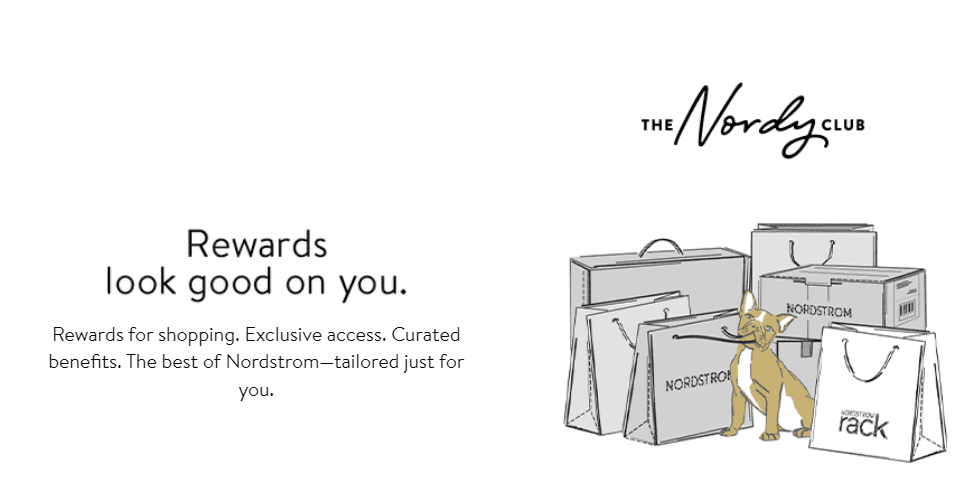
1. Nordstrom’s Nordy Club

Nordstrom’s Nordy Club rewards members with escalating point multipliers and exclusive gifts across three elite tiers to inspire brand loyalty. 

Fashion Loyalty Program

Nordstrom also has a mobile app, making it easier for customers to shop and earn points. Their Nordstrom credit card offers customers 3 points for every $1 spent.

2. Michael Kors

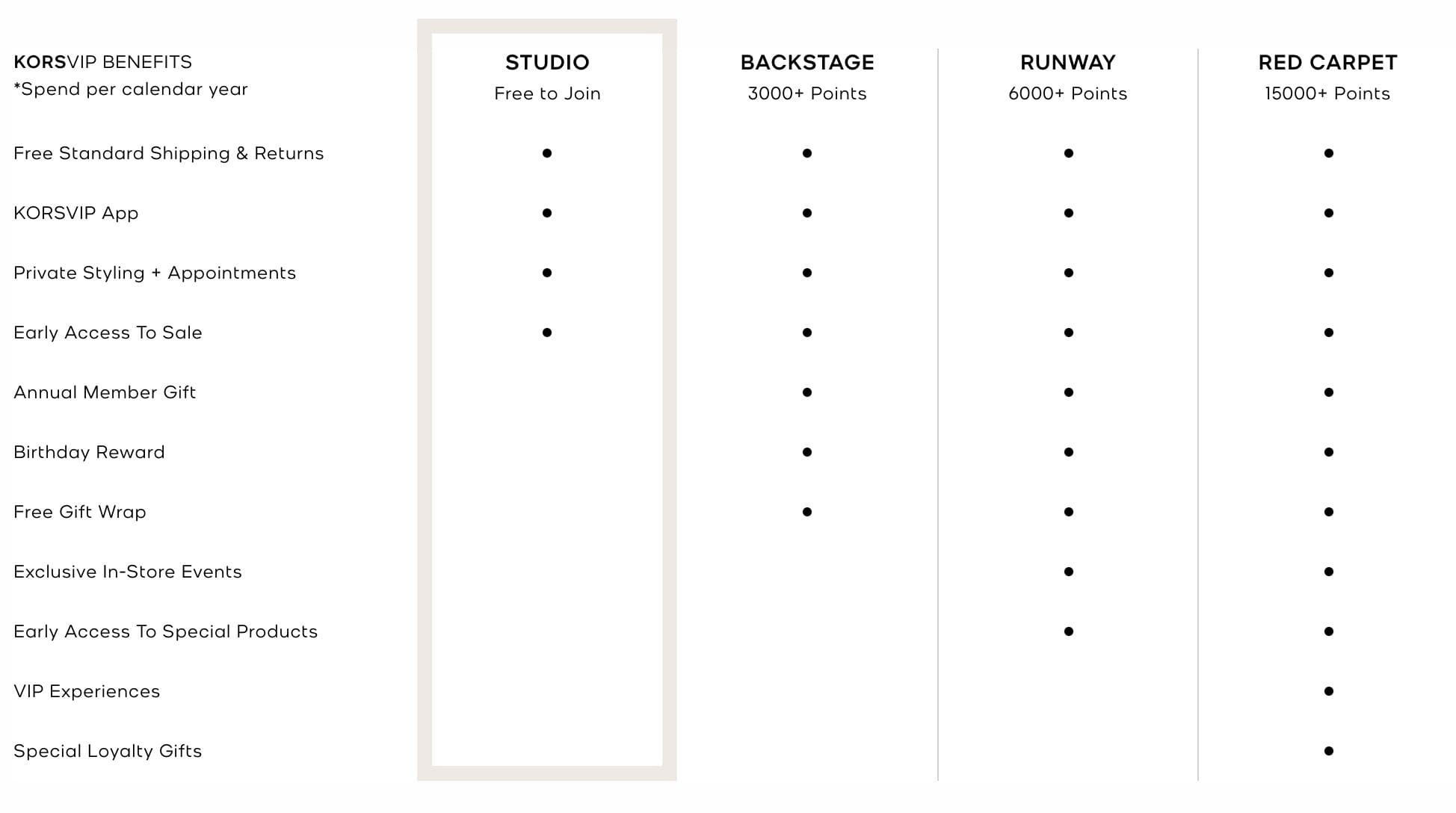
Michael Kors‘ high-end KORSVIP program surprises VIP shoppers with invites to private events, early access to new collections, and complimentary personal styling.

Fashion Loyalty Program

The brand offers loyal customers surprise gifts, access to private events, free shipping, and other benefits. Like most tiered rewards programs, Michael Kors rewards customers with various gifts depending on their tier. The higher the tier, the better the gifts.

3. NikePlus

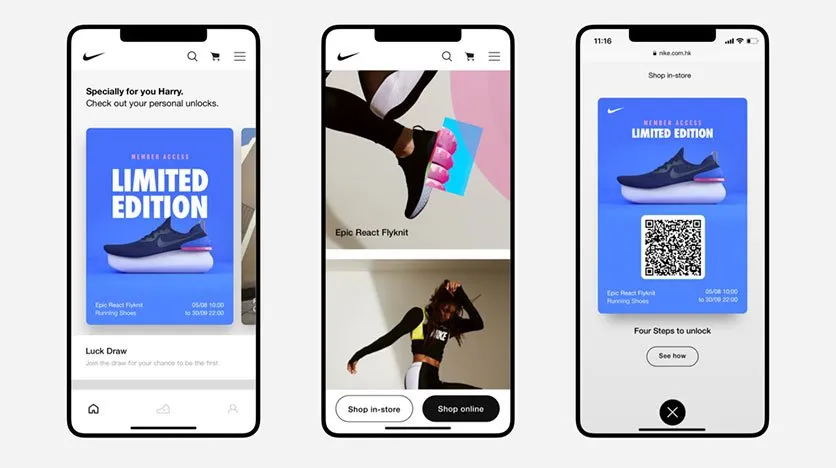
NikePlus members enjoy free expedited shipping, birthday gifts, and tailored promotions based on their favourite sports and training activities.

Fashion Loyalty Program

4. Patricia Nash Designs 

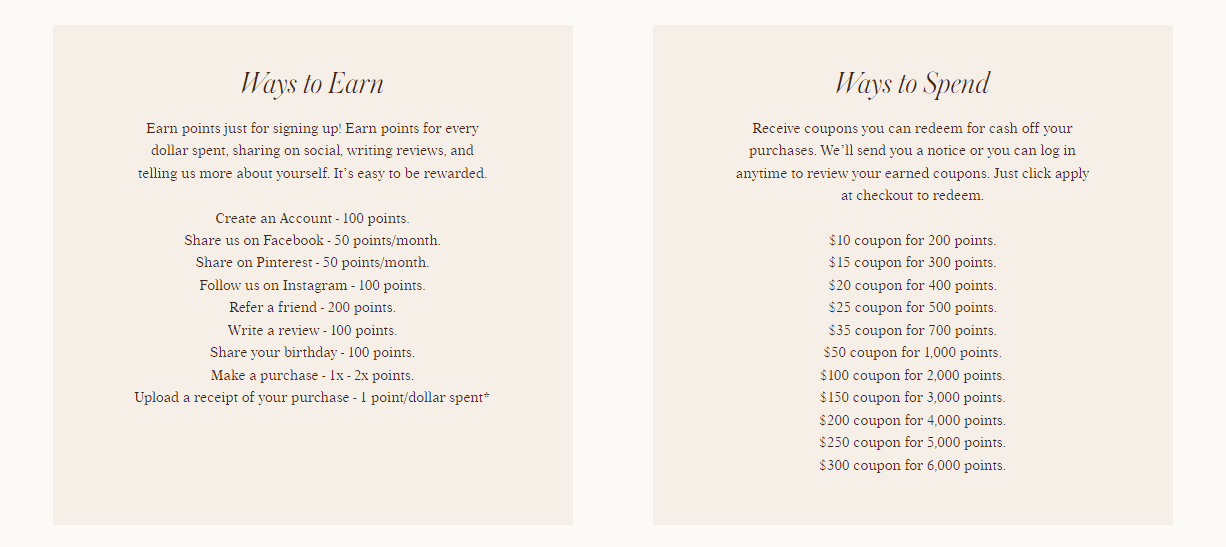
Boutique brand Patricia Nash Designs creatively incentivizes social sharing and Instagram follows to keep fans engaged between purchases.

Fashion Loyalty Program

5. Happy Feet Footwear 

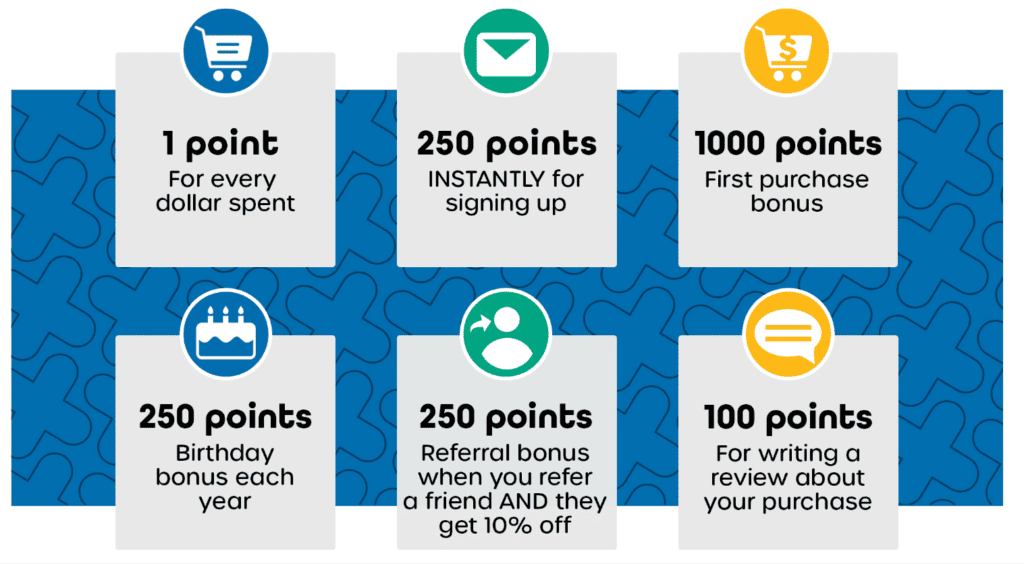
Sustainable shoe seller Happy Feet Footwear rewards customer referrals and spotlights big spenders on its social channels to inspire advocacy.

Fashion Loyalty Program

6. Gap’s Good Rewards 

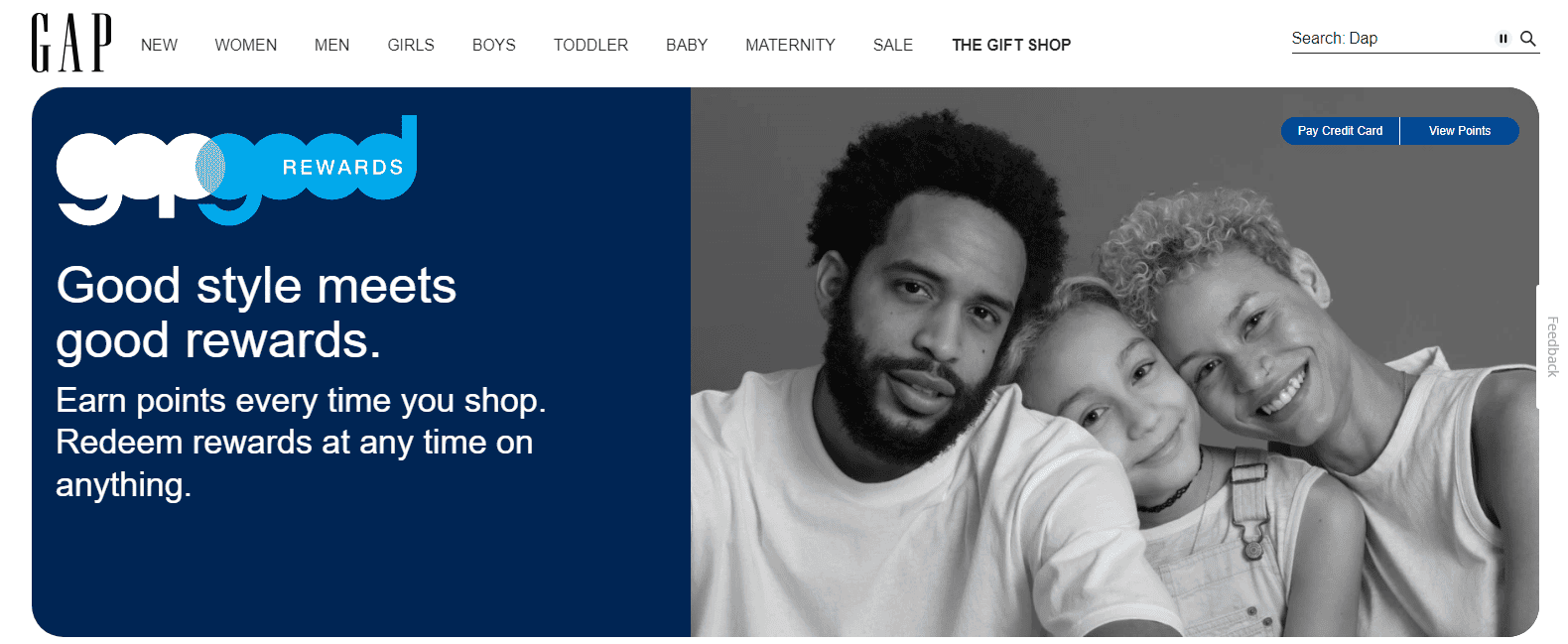
Gap’s Good Rewards consolidated program lets customers earn points and personalized perks across the company’s family of brands including Banana Republic and Athleta.

Fashion Loyalty Program

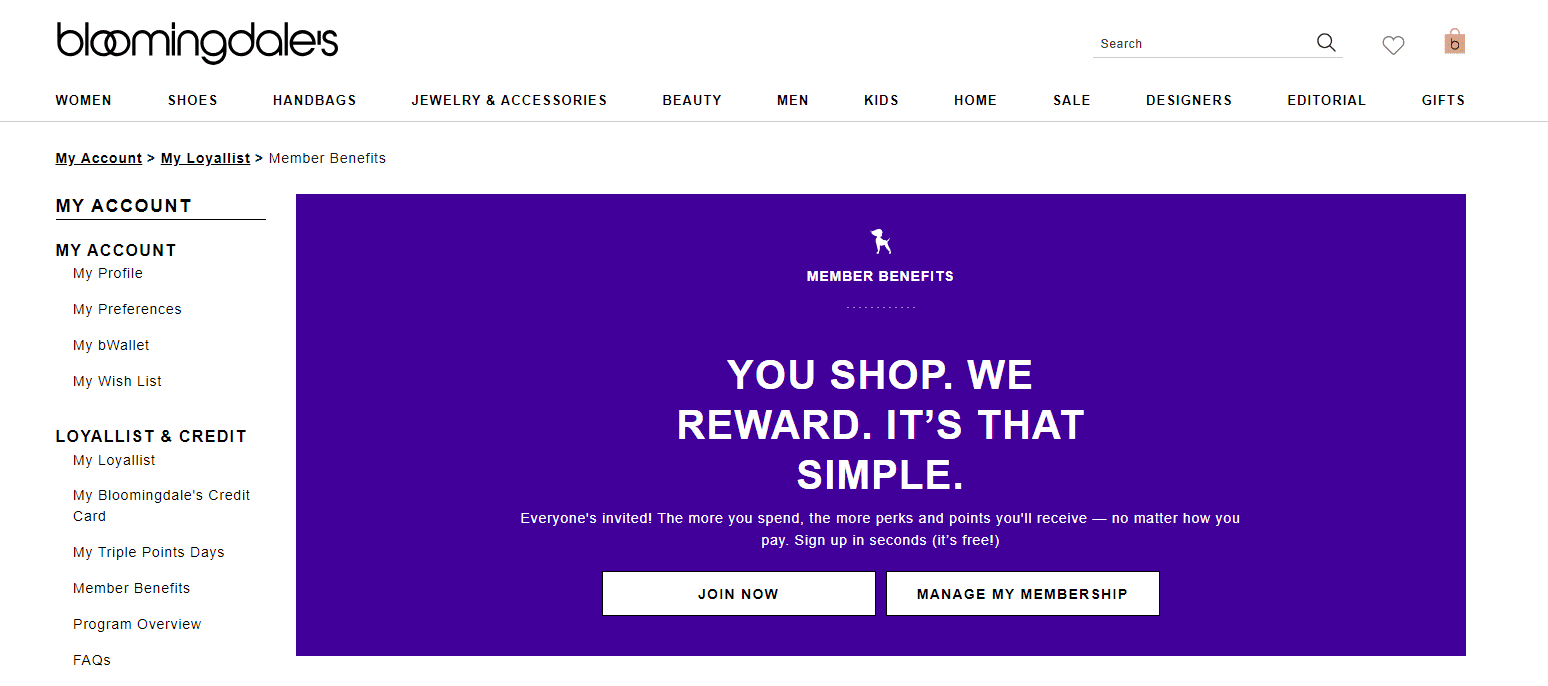
7. Bloomingdale 

Bloomingdale’s three-tiered Loyallist program provides tailored “Perk of the Month” offers to surprise and delight members.Fashion Loyalty Program

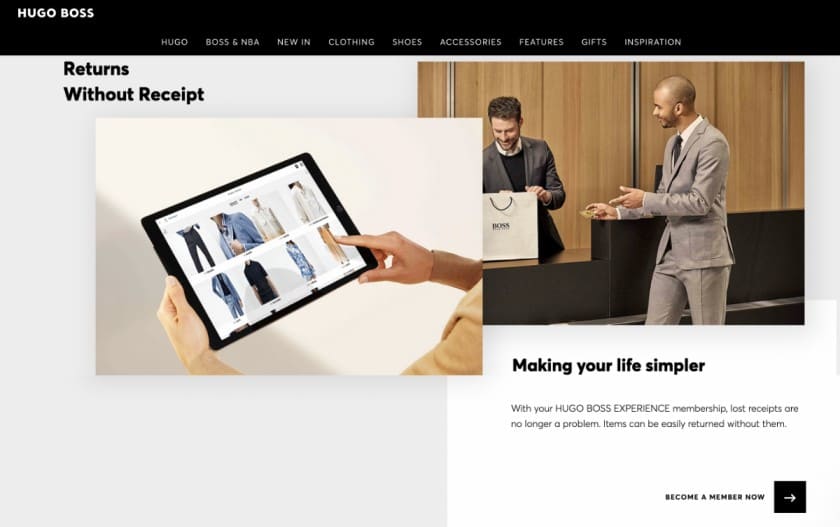
8. Hugo Boss 

Hugo Boss structures its Experience program around providing an elite lifestyle experience including drink service and personal styling suited to luxury shoppers.

Fashion Loyalty Program

The diverse examples illustrate how fashion loyalty excellence stems from creatively aligning program perks to brand identity using universal loyalty principles.

Endgame

In the ever-evolving world of fashion retail, brands struggle to foster long-term loyalty amidst merchandise cycles and falling in and out of trend. However, as this guide outlines, fashion loyalty programs present a major opportunity to increase retention, order values, and lifetime customer value. 

With the right loyalty technology solution providing robust data analytics, fashion brands can continually refine strategies to maximize program ROI. If you’re ready to implement a differentiated partner program tailored for fashion retail, our team would love to guide your strategy. Request a demo or contact our loyalty experts to explore how advanced solutions can enable your brand to deepen relationships in this fast-paced industry.

Multi-Country Loyalty Program Management: A Complete Guide

As brands expand globally, building consistent loyalty across borders becomes pivotal. Top retailers now operate stores in at least 10 or more countries, manufacturing major brands sell worldwide, and software companies serve clients internationally.

While reaching new markets fosters growth, it strains legacy loyalty systems modeled for domestic-only operations. Point systems, benefits, promos, and platforms typically get constrained by borders. This fractures the experience for cross-border customers.

Running international loyalty initiatives introduces daunting complexity across areas like localization, personalization, regulations, reporting, and omnichannel coordination. Practices optimized locally fall short regionally. Customer mismatches emerge as systems can’t integrate membership across markets.

Brands need a loyalty approach as global as their customers. For instance, a McKinsey study indicated that customers who participate in loyalty programs are 60% more likely to make weekly purchases and 59% more likely to select a brand over a competitor. In fact, the study found that members of a loyalty program are 62% more likely to spend more with the brand.

But best practices for multi-country programs remain elusive to most. How do leading international brands maintain exceptional experiences for customers who interact across borders?

This Guide Assembles Global Loyalty Tips Across Six Key Areas:

  • Localization and customer preferences
  • Compliance with international regulations
  • Consistent metrics and technology architecture
  • Omnichannel and cross-border coordination
  • Robust identity management and ease of use
  • Analyzing market performance

Let’s explore techniques for providing worldwide customers with loyalty without borders. Global growth and experience excellence go hand in hand when loyalty spans geographies.

Making a Multi-Country Loyalty Program Feasible

1. Research Local Preferences Thoroughly

Achieving locally resonant international loyalty requires understanding regional variances shaping brand appeal across multi-country programs. Every market has unique needs and perceptions that directly inform strategy.

Robust research via surveys, interviews, and ethnographic studies is mandatory before expanding internationally, uncovering nuanced motivational differences across member value perceptions, brand associations, and channel preferences.

For instance, Western partners may value exclusive new product previews or VIP access highly versus Asian partners weighing sales enablement and volume rebates as more critical. Badge-driven status matters more in some regions than self-service dashboards.

Uncovering such localized insights allows for crafting relevant initiatives resonating across countries under global branding guardrails. Member-informed regional optimization delivers localized excitement within worldwide consistency.

2. Ensure Regulatory Compliance

Expanding international loyalty introduces regulation complexity around data privacy and marketing compliance. Requirements around personally identifiable information, data residency, consent flow, and promotion terms vary widely across continents, with non-compliance risking major fines.

Thus consulting local experts is mandatory before launch. Legal teams must review data policies, terms and messaging to guarantee alignment with laws in all countries.

For instance, GDPR necessitates specific data handling constraints and partner rights infrastructure. Highly-regulated sectors like financial services or healthcare face similar strict security compliance needs, with complexity compounding across specialized guidelines.

With proper advisory support, global loyalty platforms can accommodate contradictory laws through modular policy building, dynamically rendered T&Cs and flexible data infrastructure. Core benefits persist while data handling and messaging adapt locally to enable consistent cross-border experiences.

3. Build a Flexible Technology Architecture

Delivering stellar cross-border loyalty requires centralized program management coupled with locally configurable front-end experiences across channels. This combination enables consistency where needed while adapting elements to align with regional needs. The ideal loyalty platform provides an enterprise backbone powering core functions globally while equally equipping configuring components via feature flags to tailor certain facets across geographies. 

For example, elite tier benefits and recognition practices for top-tier membership levels can be adapted market-to-market without re-architecting other aspects. Gamification features may get bolstered in younger-skewing regions while toned back where members favor understated status. 

Top platforms support robust identity management and omnichannel coordination ensuring consistent engagement. With configurable regionalization options for segmentation, messaging and loyalty perks atop consistent core functions, brands enable localized excellence within worldwide consistency.

4. Balance Standardization with Localization

While multi-country loyalty program success requires flexibility to align with regional needs, brands must equally maintain standardization for consistent global experiences. This balanced model enables tailored localization without compromising unified program equity worldwide. 

Certain facets like elite tier names, criteria, core benefits and brand display guidelines should remain standardized internationally to preserve integrity. However, areas like communication channels, benefit choices, gift assortments and recognition practices can and should localize across markets. Email may drive Europe while Asia relies on messaging. The USA may emphasize merchandise gifts versus Caribbean escapes popular in the EU. 

Lounge access standardizes but eligibility flyers, signage and tiers can reflect regional aesthetics. With this balance between consistency and carefully considered localization, brands enable regional resonance without diluting global equity or fracturing experiences across borders.

5. Focus on ease of use

While loyalty teams concentrate on backend mechanics, customers focus solely on frictionless front-end experiences across borders. Complex programs falter if difficult to understand or access despite having the richest catalog or most generous tiers. Thus, brands must manically optimize multi-country programs for intuitive enrollment, transparent points policies, seamless tier upgrades, and easily-understood redemptions. Enrollment forms should simplify to mandatory fields only with extra data collected later.

Points earning requires clear 1:1 accrual rules avoiding confusing multipliers. Tiers progress members automatically when thresholds hit sans paperwork. Redemption should allow mixed currencies, flexible shipping, and universal catalog access spanning website and mobile. Members shouldn’t grapple with odd regional differences or layers of complexity unique to certain countries. 

Despite regulatory and system complexities required behind the scenes for global operation, front-end experiences should remain consistently smooth worldwide or risk losing members to easier program alternatives.

Also Read: Loyalty Management Program – Types Of Loyalty Program

6. Analyze Performance by Market

Operating loyalty initiatives internationally requires assessing performance at both consolidated cross-border and per-country detail levels. While aggregation is simpler for global overviews, granularity by market enables vital localization decisions. Sophisticated platforms provide canned and configurable reporting segmentation that splits program metrics across customizable attributes like geography to analyze indicators within specific countries. 

Toolkits showcase enrollment, activity velocity, earn/burn ratios, redemption preferences, tier distribution, NPS sentiment, conversion metrics, incremental sales lift, and more for any target country. Comparisons determine high vs low-performing metrics nationally to inform optimization. Weaker satisfaction prompts evaluation to diagnose root causes like channel delivery gaps or reward catalog imbalances addressable via localization. Ongoing analysis by sub-metrics also empowers personalized programs catering to unique regional needs throughout the year.

[pafe-template id=”13671″]

Endgame

Effectively managing loyalty across borders requires nuanced localization, consistent member experiences, and data-driven decisions. Success necessitates understanding localized preferences, ensuring worldwide regulatory alignment, architecting adaptable technology, and regularly analyzing performance by market.

Leading global brands artfully balance standardized back-end systems that handle membership, points, recognition, and analytics consistently while allowing flexible front-end personalization via modules and configurations regionally. This fuels relevance without fracturing consistency.

If expanding loyalty redemption internationally or need help unifying current multi-country programs, Life sight offers LoyaltyXpert – a versatile platform and strategic advisory helping configure locally resonant yet globally-unified initiatives tailored to your footprint.

Request a demo or avail a free trial today to discuss your loyalty goals and explore how LoyaltyXpert provides the capabilities and counsel to skillfully grow and optimize multi-country member engagement. Let us help strengthen personalized experiences across all borders – achieving locally-loved loyalty worldwide.

How to Create a Lasting Impression with Experiential Marketing?

Experiential marketing allows consumers to directly engage with a brand and its offerings to foster an emotional connection through a memorable, interactive experience. Unlike traditional advertising, it generates feelings, impressions and associations by enabling your target audience to preview and experience your brand first-hand. Our brains are wired to better retain and be influenced by events we participate in rather than passive information consumption. Allowing hands-on experiences tends to be more impactful, fun and interesting while shaping future decisions.

This article will dive into practical tips on how to create a lasting impression by leveraging experiential marketing.

  • Crafting immersive experiences centered around products/services to allow memorable brand interaction
  • Innovating retail store layouts for more interactive and engaging customer experiences
  • Gamification techniques to increase engagement and loyalty
  • Cost-effective branded events that allow customers to engage with the brand in a unique way
  • Pop-up community events to connect with customers and showcase products/services
  • Incorporating AR/VR to enable customers to preview and interact with products
  • Identifying creative and inventive avenues beyond traditional marketing to differentiate your brand
  • Delivering real-life engagement opportunities for customers to build enduring connections
  • Exploring endless possibilities for brands to creatively integrate interactive and experiential elements both digitally and physically

So let’s get started on building enduring mindshare and loyalty through the power of experience!

Steps to Make an Impact

1. Align campaigns to brand strategy

For experiential B2B marketing to effectively strengthen campaigns, the activities must closely tie into the overarching brand and messaging strategy. There should be consistency between the curated experience and positioning to make the impact stickier, durably associating engagements with the organization.

First and foremost, ensure the experiential program reflects and reinforces your core brand vision and ethos. If thought leadership on sustainability is a pillar, then conservation-focused hackathons better resonate than lavish member events lacking purpose-connect.

When audiences grasp the strategic connection between the experience’s appeal and brand purpose in those interactive moments, it crystallizes the desired positioning in their minds long-term. Smoothly integrating experiences with positioning across channels is vital so omnichannel touchpoints work cohesively, not disjointedly, to help sustain corporate brand equity.

2. Design for shareability

The key to maximizing experiential marketing reach and impact is designing interactive experiences participants eagerly share across networks.

Rather than basic photo booths, focus on unique environments facilitating relationship-building between attendees, like a partner showcase with product demonstrations or an informal executive networking lounge.

Integrate digital interactive elements like augmented reality simulations to create immersive experiences with the latest innovations. Gamification through interactive polling and quizzes makes engagement entertaining.

Encourage user-generated event content by prompting attendees to post highlights and recommendations. Incentivize quality posts by featuring top engagement on your corporate account.

Designing shareable, buzzworthy moments will extend impact beyond the event as participants spread relevant content peer-to-peer, amplifying brand imprint.

3. Surprise and delight

Planning small yet impactful surprising moments into a client’s journey elicits positive emotions – which drives stronger corporate relationships beyond satisfaction. B2B customers remember unexpected delighters like free research reports for renewal or special guest appearances by industry experts at conferences far more than plain experiences.

Other ideas are providing select influential prospects exclusive NDA product previews or behind-the-scenes access to R&D labs during a corporate tour. The elements of surprise, exclusivity and privilege make customers feel delighted and valued.

These become memorable moments associated positively with the brand itself, not just the product. Instead of simply being content, they feel genuinely impressed and grateful – a stronger emotional bond. Thoughtful creativity can multiply marketing impact when you sprinkle delight.

4. Leverage influencer marketing

Collaborating with relevant influencers can magnify the impact of experiential B2B marketing tremendously thanks to their authentic advocacy. The right influencers make any brand campaign instantly buzzworthy to their followers. Their participation and advocacy lends third-party validation, fueling positive chatter in enterprise circles.

Through constant posts documenting their early experiences with the technology or commentary during launch events, these influencers garner valuable impressions within niche B2B segments. A single tweet showing genuine interest while exploring the capabilities perceives deeper value about the innovation to followers assessing purchase consideration.

However, it is vital the chosen influencer’s positioning closely reflects the brand’s so advocacy seems authentic, not just paid promotion. When followers sense genuineness in the experience itself, the impact is far more influential driving conversions over hard-sell advertising. Creative influencer collaborations can make branded experiential campaigns instantly magnetic.

5. Activate across channels

While allowing in-store reward point redemption delivers direct loyalty impact, adopting an omnichannel redemption strategy expands reach greatly. Giving members consistent options to choose how to spend points across digital and physical touchpoints provides more flexible engagement.

For example, enable points to be redeemed for digital rewards like sought-after app subscriptions much like physical products. Or have members participate in online brand trivia where points can be bid. For maximum motivation, have influencers first tease upcoming redemption options on social media to build anticipation.

With digital redemption opportunities priming members ahead of bigger annual special in-store redemption events, the integrated strategy connects better. Consistent omnichannel redemption offerings and mirroring elements digitally increase visibility among members significantly more than limiting to just physical catalogues.

6. Localize for each market

While broader thought leadership concepts can provide an overarching framework, localization is key so that content resonates contextually in each market. Every region has a unique business landscape, cultural nuances and B2B practices warranting tailored experiences.

For instance, collaborating with local industry trade groups as opposed to generic panels better ingrain the brand as plugged into regional needs. Even the narrative style and creatives around the central content must feel native.

It’s vital to balance standardization aiding efficiency with localization driving relevance. Customization improves contextual fit. Empowering regional teams to incorporate local flavors makes the experiences feel welcomed rather than distant to that community. Localized campaigns foster deeper B2B connections.

7. Measure success with data

To truly gauge success, combine quantitative metrics with qualitative data for complete insights. Track quantitative measures like raw sales volumes, total reach, leads generated and web traffic to see hard engagement numbers. Examine revenue growth trends to determine sales health and momentum. But don’t neglect the human side—continually survey customer satisfaction, service quality, likelihood to recommend and other loyalty drivers. Monitor your net promoter score over time, segmented by persona to diagnose experience improvements. Analyze social media and review site sentiment to catch early feedback on offerings. Blending quantitative and qualitative inputs spotlights growth opportunities to strategically elevate the customer journey.

8. Optimize based on feedback

Conduct in-depth consumer surveys and interviews at all stages of your campaigns to quantitatively and qualitatively gather insights into engagement levels, brand recall, message resonance and overall areas needing improvement. 

Ask targeted questions to determine preferred platforms, formats and messaging approaches among demographic groups. Outline key takeaways into reports to enable quick product, creative and platform iterations that directly address consumer pain points and heighten relevancy for future campaigns. Explore innovative technologies like emotion analysis, biometrics and unconscious bias testing to unlock deeper understandings of responses and refine accordingly. 

This continuous optimization process driven by consumer input will allow you to fine-tune your brand connection, creative expression and channels to craft increasingly compelling interactions.

9. Train staff for immersive experiences

Extensively train all customer-facing staff on upcoming campaigns, products and services before launch through comprehensive informational sessions. Equip teams with sufficient knowledge to address consumer questions, spotlight key features/benefits and tie offerings to brand messaging. Supply conversation guides to traverse diverse topics from sustainability to quality assurances, instilling confidence and approachability. Proper staff preparation ensures seamless, on-brand consumer engagements that ignite interest and help catalyze meaningful connections and high-value experiences that deeply resonate.

Also Read: Best B2B Loyalty Programs in India

10. Integrate with loyalty program

Integrating your latest campaign directly with your loyalty rewards program is a powerful way to spark heightened participation and acquire new members simultaneously. Widely promote that existing loyalty members can earn bonus points, exclusive perks or free gifting for engaging with specified touchpoints. 

These compelling incentives drive higher involvement from your current member base while attracting newcomers intrigued to unlock deals. Capture participant contact info and offer easy sign-up options for the loyalty program before distributing rewards. With special member-only benefits for taking actions like social sharing, surveys or event attendance, you motivate enhanced exposure plus directly translate buzz into points, status advancement or special redemptions that emotionally resonate. 

This captures new members seeking experiences over commodities. The combined pull of sought-after incentives and intriguing priority access delivers expanded reach and deeper, lasting connections.

Postscript: Connecting Through Experiences

As we’ve explored, experiential marketing catalyzes lasting brand impressions and advocacy by engaging consumers through memorable, shareable experiences. However, gaining traction requires an integrated approach aligning initiatives to objectives and omnichannel deployment to scale impact.

With versatile capabilities facilitating immersive in-person events, digitally integrated activations, gamified interactions, and share-ready content, LoyaltyXpert provides the experiential platform to configure localized campaigns matched to your brand and markets.

See how LoyaltyXpert delivers technology, creative strategy, and loyalty expertise to successfully blend global consistency with regional relevance across all experiential channels. Request a demo today or avail a free trial to discuss your brand goals and explore campaigns tailored to your international footprint. Let us help you foster brand love worldwide through connections that matter.

How to Become a Successful Channel Partner

If you are a manufacturer or a B2B company owner, you will need the right channel partners to get your products (or services) to the market and eventually to the end-users.

Joining hands with a well-established brand or a niche market player is not easy but can be extremely rewarding if you get certain things right. The key to success lies in your ability to add value, build strong relationships, and effectively navigate the world of channel partnerships.

In this blog post, we have explained channel partner programs in detail and listed some extremely useful ways using which you can become a successful channel partner.

What is a Channel Partner Program?

As the name suggests, a channel partner program is a program in which a manufacturer or B2B business collaborates with independent individuals or organizations (known as channel partners) to promote, sell, and market its products or services.  

Who Could Be Your Channel Partners?

Your channel partner can be any individual or organization who enters into an agreement to distribute your products or services to a new market. That person or company mustn’t be your employee.

Channel partners are usually organizations that buy a sizable volume of your products or services with an aim to sell in their own market. Channel partners can include:

  • Resellers
  • Distributors
  • Stockists
  • System integrators
  • Value-added resellers (VARs)
  • Consultants
  • Various other third-party entities

Channel Partner Program Benefits

The benefits of channel partner program are:

  1. Increased brand awareness: Channel partners have deep pockets in their own marketplaces. When they partner with companies, they can considerably enhance their brand awareness.
  2. Faster product entry into market: When channel partners take a brand’s product into a new market, its entry is smooth and seamless. With least resistance, the product is more likely to succeed and gain more popularity.
  3. Boost in sales and revenue: Channel partners play a huge role in enhancing a brand’s sales volume and revenue. When a brand registers increased sales and income, it also generates higher profits.

[pafe-template id=”14156″]

Ways You Can become a Successful Channel Partner

Successfully navigating the world of channel partnerships requires a strategic approach. To thrive as a channel partner, you must do the following:

1. Find the Right Partners

Before diving into a partnership, it is indispensable to find the right partners. To ensure compatibility, conduct thorough research and due diligence. Here are some effective ways to find the right partners effortlessly:

  • Identify your niche
  • Know your partners’ needs
  • Understand their pain points
  • Know their preferences

When you gain a sufficient understanding of your partners and what they need, this knowledge will guide your partnership decisions and help you deliver value to your partners.

2. Actively Reach Out to Potential Partners

Selecting the right partner is the foundation of a successful channel partnership. Consider factors such as the partner’s reputation, market presence, product quality, and alignment with your business goals. 

After finding the right partners, actively reach out to them. Try to select a partner that has enough resources to invest in the partnership, is willing to make those investments, has the technical capabilities to work alongside your company, and can feasibly undergo cultural integration. Once leaders identify potential partners, they can propose an agreement to them.

3. Develop a Channel Partner Agreement

After reaching out to your partners, work out on a channel partner agreement. The channel partner agreement must:

  • Define shared partnership objectives
  • Elucidate every duty of yours within the partnership (What unique value can you bring to the partnership?)
  • The resources you will dedicate to the partnership
  • Terms and conditions for how your partner should market your products/services
  • Highlighting your skills, resources, or expertise complement your partner’s offerings. 

Also Read: Why Are Channel Partner Program Important for your brand?

4. List the Metrics to Track Channel Partnerships

Management guru Peter F. Drucker famously said, “What gets measured gets improved.” That’s why it’s extremely crucial to measure and monitor results. That’s why it’s extremely critical to regularly assess the effectiveness of your partnership. 

Track key performance indicators (KPIs) such as sales revenue, customer satisfaction, and lead generation. Use this data to make informed decisions and adjust your strategy as needed. 

5. Make Partner Onboarding and Communication Smooth

Successful channel partnerships are built on trust and collaboration. Open lines of communication and establish a rapport based on mutual respect. Make partner onboarding and channel communication as smooth as possible.

Develop strong relationships with your partner’s team, including sales, marketing, and support. When working on the relationship, remember trust is an important ingredient. 

Partner onboarding is crucial because your partners need to know how to properly promote and sell your products or services.

After joining hands with your channel sales partner and signing the agreement papers, invest in training and certification programs. Consider using the right resources to manage team-to-team relationships. Apart from that, identify training and development opportunities that can facilitate seamless integration between partners.

6. Provide the Right Incentives to Channel Partners 

Did you know that providing channel partners with the right incentives can enhance profits and sales by 40%? A study titled ‘The Current State of Channel Incentives’ conducted by Silicon Valley Research Group found the number.

When it comes to selecting the right incentives, you can choose from market development fund (MDF), sales performance incentive fund (SPIF), co-op fund, wholesale discounts, and more. Offering the right incentive will not only enhance your bond with channel partners but also build your credibility and their confidence in your brand.

7. Leverage Partner Relationship Management Software

You must be aware of Customer Relationship Management software, which is used to manage customer information and provide them with customized service and support. Likewise, there is exclusive software designed for partners. That’s known as Partner Relationship Management (PRM) software.

The right PRM software can enable you to interact with partners efficiently and record the leads partners contribute. High-quality PRM software can also help in creating partner portals, onboarding partners, sharing sales assets and resources, among others.

[pafe-template id=”13671″]

Everything said and done,

Success in the world of channel partnerships is an ongoing journey. Becoming a successful channel partner requires dedication, a strategic approach, and a commitment to delivering value to your partner and customers. 

At LoyaltyXpert, our high-quality loyalty programs have enabled a wide range of businesses to forge strong relationships with their channel partners. If you want to become a successful channel partner, contact us today and get a free demo.

Black Friday Loyalty Program Strategies 2025

The date November 23, 1951, marked an important day in the history of the retail industry all over the world. The Factory Management and Maintenance journal used the term ‘Black Friday’ to refer to the day following Thanksgiving after a majority of employees took a leave on that day to enjoy a four-day week-end.

After that year, American stores and retail outlets celebrate the day after Thanksgiving as Black Friday to offer incredible discounts and deals. It also marks the beginning of the Christmas shopping season in the States. Over the years, retailers all over the world have revelled in the celebrations to start a massive shopping spree. 

In this blog post, we have discussed five effective loyalty program strategies that business owners can use to bolster their Black Friday sales campaign. So, without further ado, let’s dive right into this blog post and learn more about the strategies. 

Black friday loyalty program

Black Friday Loyalty Program Strategies 2024

1. Free Shipping

Did you know that free delivery (or free shipping) is the biggest incentive for nine out of every ten customers to shop online? That’s right! A Future of Retail study conducted by Walker Sands revealed that 90% of the respondents said that the availability of free shipping is their number one incentive to shop online.

That explains why free shipping must be your number one priority for your Black Friday strategy. You don’t have to worry about the costs you’ll have to incur for delivering products to your loyalty program members for free. 

You see, during the Black Friday sale, your loyal customers are more likely to purchase a larger volume of products than usual. That will cover the delivery charges. Apart from that, it will save them the hassle of standing in long queues and enduring the huge crowds and long wait-time.

2. Early Access for Loyalty Members

If you follow Amazon’s Black Friday Sale between November 24 and 25 or its Indian counterpart—The Great Indian Festival in October every year, you must have noticed that they provide early access to deals to their Prime Members. Just imagine the privilege Prime members have when they can access attractive discounts and deals before other customers. They get to buy the best stuff by paying the best price while the regular customers have to choose from what’s left from the early access deals.

Interestingly, the company released a stat in October 2022 that showed the power of early access on its clients. As per the report, the Prime Early Access Sale Day generated 27% higher Sales for one of its clients compared to the Prime Day in July same year. Speaking of stats, as per a study, 21% of respondents said that they would be happy to spend a little extra for early access benefits in their loyalty memberships.

Early access can work like magic if you have tiers in your loyalty programs. You can reserve the benefits for Gold- or Platinum-tier members. The best part about early access to sales and deals is it’s free. Your loyalty program members can access the deals one day or two before the general public. And as your most valuable members, customers will complete their shopping before the official Black Friday deal, they won’t be influenced by the deals and offers of your competitors.

Suggested Read: Loyalty Program Strategies: Everything You Need to Know 

3. Social Media Engagement

If your business has a presence on social media, you must know its power to influence the buying decisions of your target customers. As per a study conducted by GlobalWebIndex, more than half of social media users use various platforms to research products and social media platforms influence the purchasing decisions of 71% of customers.

You can leverage social media to promote your Black Friday deals and entice your loyalty program members to buy products. You can also leverage social media to create close-knit groups and build a sense of community among your loyalty program members. That will encourage them to share their shopping experiences, tips, and favourite finds on social platforms. You can also gamification your loyalty programs by adding elements such as badges, points, and challenges to engage your members.

You can also leverage influencers’ recommendations on social media. As per a survey among social media users between the ages of 18 and 54, one out of every five of them has bought a product or service after an influencer’s recommendation. 

4. Personalized Offers and Recommendations

As an entrepreneur or marketer, you must be aware of the fact that almost 70% of customers abandon their shopping carts due to various reasons. Price is one of the major reasons for cart abandonment. And, you can address that issue during your Black Friday sale! Just imagine the joy of your loyalty program members when they find a valuable product (or service)that they have been looking for in the past few months, for an attractive price point. 

That’s where keeping track of your customer data, their browsing history, and past transactions can come in extremely handy. Once you have maintained records of which of your loyalty program members have abandoned their carts in the recent past, it would be easier for you to send them personalized Black Friday deals based on their preferences.

When your loyalty program members feel that you understand their needs and preferences, they are more likely to make a purchase.

5. Provide Omnichannel Experience

Providing an awesome online shopping experience to your loyalty program members isn’t just enough for Black Friday. You must provide an omnichannel experience to your members. If you have a mobile app, integrate your loyalty program into it. That’ll enable your customers to track their rewards, access exclusive offers, and make purchases all within the app. 

A well-designed app can enhance the overall shopping experience and make it more convenient for loyal customers. Implementing a mobile pass system will make it easier for customers to store membership on their phones. Customers can scan the mobile membership pass with a point-of-sale (POS) device and redeem their reward automatically.

Creating an omnichannel experience will not only make your loyal members feel special but also encourage them to shop with you on Black Friday. 

Everything Said and Done,

Black Friday is observed on the Fourth Friday in November every year. Business owners offer extraordinary discounts on that day to attract shoppers and drive massive shopping sprees. Many successful businesses leverage loyalty programs to provide additional benefits to their loyal customers.

At LoyaltyXpert, we can help you create tailored loyalty programs for your Black Friday campaigns. If you are looking to make the most of the upcoming Black Friday (November 29, 2024), contact us today to book a demo.

How to make a Loyalty Program that resonates with Gen-z

The term ‘Gen Z’ is used to describe a person born between the mid-1990s and the early 2010s. Even though people of this generation are new entrants into the consumer landscape, they have significant buying power. An article published by Bloomberg estimated the purchasing power of Gen Z at USD 360 billion in 2022.

That’s why it’s not surprising to know that many businesses are trying to crack the code of the new generation of customers with unique preferences and expectations regarding brand loyalty. Gen Z customers don’t value traditional rewards. Instead, they look for authenticity, experiences, and ease of use.

This blog post lists five strategies that can help you build a loyalty program that resonates with Gen Z. So let’s dive right in and learn more about the right tactics that can help you attract and engage with Gen Z customers.

Gen Z Loyalty Programs

1. Provide Flexible Payment Options

Would you be surprised to know that Gen Z customers would prefer flexible payment options? They are the most tech-savvy customers when compared to customers of all other generations. Why would they buy just by using cash or credit?

An eMarketer and Insider Intelligence study reveals that more than half (55%) of Gen Z customers above 14 years of age will make at least one digital purchase using buy now, pay later (BPNL) in 2024. Another study by Ascent and Modern Retail found that six out of ten customers aged 18 to 24 made a BPNL purchase. That’s why it’s imperative to offer flexible payment options such as BNPL plans and instalment payments.

2. Tailor, Customize, Personalize

Gen Z customers value personalized rewards and experiences. A study conducted by Oracle found that two-thirds of Gen Z customers wanted personalized recommendations via an app while browsing in-store. But less than 40% said they bought something based on brands’ recommendations in the last six months. The study also found that more than half of the respondents are willing to share their data to receive personalized rewards.

Customize your loyalty programs to offer choices and rewards based on individual preferences and behaviors’. Allow members to choose how they earn and redeem rewards. Effective personalization doesn’t just retain Gen Z customers, it makes them feel valued. Providing value to customers will encourage them to share relevant data with your brand, which in turn will help you to personalize your loyalty programs.

3. Values and Social Responsibility

A study conducted by First Insight Inc. revealed that almost three-quarters of Gen Z customers are ready to spend more on sustainable products. That’s not all; a majority of them are ready to pay a premium of 10% for the products! Another survey found that nearly a third of Gen Z respondents said that supporting the causes they believe in is a part of their legacy.

That’s why it isn’t surprising to find Gen Z customers buying from companies like TOMS Shoes, which donates one shoe to underprivileged children in underdeveloped countries for every pair sold. Also, BLQK Coffee, which donates a significant portion of its profits to charity, enjoys a large customer base of Gen Zs. So, there is no doubt that Gen Z customers are passionate about their values and social responsibility. Brands must align their loyalty programs with the values and passion of Gen Z customers.

4. Experiential Rewards

A majority of Gen Z customers value experiences more than material goods. As per one latest research seven out of ten Gen Z customers are ready to pay more for experiential rewards such as passes to exclusive events, VIP access, and limited edition products. Another study by Gartner found that the percentage of loyalty programs offering experiential rewards increased 17% in just one year!

Brands that don’t use experiential rewards will be behind the curve. They will fail to attract Gen Z customers and will forgo capturing the booming opportunities the new generation customers have to offer. That’s why all brands that are looking to be successful must focus on experiential rewards such as early access to new products, exclusive events, or behind-the-scenes content to reward and engage Gen Z members.

5. Gamification and Challenges

Several studies have found that more than 60% of Gen Zs play mobile games and video games at least once a week. Another research found that eight out of ten Gen Z customers want a gamified experience when interacting with a brand. These two stats prove that brands that gamify their loyalty programs will have a massive competitive advantage over those that don’t.

Gamification loyalty programs can increase engagement and foster a sense of community among customers. Popular gamification elements among Gen-Z include leaderboards, challenges, award points, badges, or rewards for completing tasks or achieving certain milestones. 

All Said and Done,

Gen Z customers look beyond discounts. They crave authenticity, social responsibility, and unique experiences. By being flexible, offering personalization, aligning with their values, and incorporating gamification, you can create loyalty programs that capture Gen Z customers’ attention and transform them into brand evangelists.

At LoyaltyXpert, our sophisticated loyalty solutions have helped many businesses create targeted loyalty programs for Gen Z customers. If you want to know how our loyalty platform can help your business attract and retain Gen Z customers, contact us today for a free demo.

Loyalty Program Strategy: Everything You Need to Know

Did you know that an Accenture study found that more than 90% of companies use one or more loyalty program strategies to attract and retain customers? That means if you type any company name on the Google search bar along with the words “loyalty program,” “loyalty program strategies,” or “rewards program,” you will get a hit at least nine times out of ten!

At a time when nearly two-thirds of organizations say that loyalty programs are extremely effective when it comes to connecting with customers, more businesses than ever before are looking to design tailored and distinctive loyalty program strategies to engage both first-time and repeat customers.   

This blog post discusses everything about loyalty program strategies as well as key steps to create an effective loyalty strategy. So, without further ado let’s dive into the realm of loyalty program strategies and discuss it in detail.

What is a Loyalty Program Strategy? 

A loyalty program strategy is a well-thought-out and methodical approach that an organization designs and implements to attract new customers and retain existing ones. It entails a set of planned actions and initiatives to create positive and long-lasting relationships between the brand and its customers. A good loyalty program strategy also delivers deep insights and builds customer relationships by being simple, modular, and open. Some examples of loyalty program strategies are:

  • Providing redeemable points
  • Offering cashback
  • Providing paid premium services
  • Creating hierarchies
  • Joining coalitions
  • Gamifying rewards program
  • Building community

[pafe-template id=”10457″]

Steps to Create an Effective Loyalty Program Strategy

To create an effective loyalty program, it’s extremely crucial to follow the right sequence of steps. Here are seven steps that’ll help you create an effective loyalty program strategy:

1. Understand your customers and identify their needs

Let’s be clear about one thing at the outset. The purpose of your company, your products and services, and your loyalty program strategies is to serve your target customers and make their lives better and easier. Without customers, everything is meaningless. That’s why you must do whatever it takes to understand your customers and identify their needs, preferences, pain points, and shopping behaviors. Once you find out what your customers need from you, it will lay a strong foundation stone for your loyalty program strategy.

Also Read: How to Create a Loyalty Program in 5 Steps

2. Determine your objectives

If you want to create a loyalty program strategy, you must have an objective to begin with. Do you want the loyalty program to collect more customer data? Do you want the program to set you apart from your competitors? Or do you want to attract new customers and enhance your sales? Once you define what you intend to achieve with the loyalty program, you can design the right loyalty program that you desire.

Suggested Read: Customer Loyalty Programs: A Ultimate Guide 2024

3. Be clear about your brand values

Brand values are your company’s guiding principles. It encompasses how it sources its raw materials, how it delivers products or services to customers, how it treats its employees, and more. As more and more customers are conscious about a company’s brand values and they see how well it aligns with their values, ensure that you have enough clarity about your brand values before creating a loyalty program. Once you are clear about your values, you can communicate the same using your loyalty programs.

4. Communicate effectively

Communicating your loyalty program(s) is extremely crucial in your loyalty strategy. Designing a high-quality loyalty program and not communicating it to your target customers is worse than not creating a loyalty program at all. That’s why before even creating a loyalty program, determine the channels you’ll use to market it. The channels can include email, website, landing pages, social media, and more. 

5. Make enrollment easy

Do you know what many contemporary customers hate in loyalty programs? The difficulty in enrolling and getting rewards. A study conducted by KPMG found that almost 70% of millennials said that they find it more difficult to enroll in loyalty programs and earn rewards compared to less than 50 percent of baby boomers. When creating a loyalty program strategy you must keep the ease of enrolling in mind. Make the enrollment process as simple as possible and avoid excessively complicated process. 

6. Provide meaningful rewards

When selecting rewards for your loyalty program, ensure that they are meaningful and valuable to your target customers. The rewards don’t necessarily have to be monetary. More customers have been found to value experiential and non-transactional rewards than customers who value transactional rewards. The best way to make rewards meaningful and valuable is to create an attachment between customers and rewards. When customers put effort into getting rewards, they will value those more.

7. Encourage engagement

Last but not least, encourage customers to engage with your loyalty programs and brand beyond purchases. Encourage them to refer friends, take part in surveys, as well as interact on social media platforms. The more engaged your customers are, the more they will purchase from your brand.

[pafe-template id=”13671″]

? Also Read: Robust, Fully Automated, And Cost-Effective Loyalty Program Strategies For Digisol

Taking everything into consideration

A well-designed and well-executed loyalty program strategy can be extremely beneficial for every business. At LoyaltyXpert, we have helped many businesses of various types and sizes design effective loyalty program strategies and create well-crafted reward programs. If you want to know how we can help you in achieving high-quality results, contact us today to book a free demo.