 Max 10min read
Summary
Choosing loyalty program software shapes revenue for years. The wrong platform stalls adoption and wastes budget. The right one strengthens relationships with dealers, distributors, and influencers. This guide compares the top loyalty program software platforms available in 2026. It covers features, pricing models, AI capabilities, and implementation timelines. It also explains how manufacturers measure real ROI. Use it to shortlist confidently before you buy.
Customer acquisition costs keep climbing. Retention now decides who grows and who stalls. Manufacturers feel this pressure most. Their revenue moves through dealers and distributors. Those partners sell competing brands daily. Loyalty is the only real lock-in.
That is why demand for loyalty program software has shifted. It has moved from a retail marketing tool. It has become channel infrastructure for industrial brands.
But the market is crowded. Vendors promise similar things. Feature lists blur together quickly. Pricing pages hide the real numbers.
This guide cuts through that. It compares the top loyalty program software platforms in 2026. It explains what each one actually does well. It also covers selection, cost, rollout, and measurement.
What Is Loyalty Program Software?
Loyalty program software is a technology solution that helps businesses create, manage, and automate customer loyalty programs. It enables businesses to reward customers for actions such as purchases, repeat visits, referrals, or engagement, while tracking customer activity and loyalty points in a centralized system.
Modern loyalty program software typically supports features such as points and rewards management, tier-based loyalty, personalized offers, customer segmentation, referral programs, analytics, points expiry alerts, and automated communications. By integrating with CRM, POS, e-commerce, or other business systems, it helps businesses deliver consistent and personalized loyalty experiences while encouraging repeat purchases and long-term customer retention.
Why Are Manufacturers Investing in Loyalty Platforms Now?
Manufacturers invest in loyalty platforms to protect channel revenue. Dealers and distributors control the final sale. They also stock competing brands. A structured reward program keeps your product moving first. It also produces sell-out data you otherwise never see. That visibility improves forecasting, scheme design, and partner planning.
The market data supports this shift. Mordor Intelligence values the market at USD 16.44 billion in 2026. It projects USD 32.52 billion by 2031. That is a 14.62% CAGR. The same 2026 report notes something important. Adoption is spreading past consumer programs. Manufacturers and distributors now treat loyalty as channel-partner retention.
5 Signs Your Channel Needs Loyalty Software
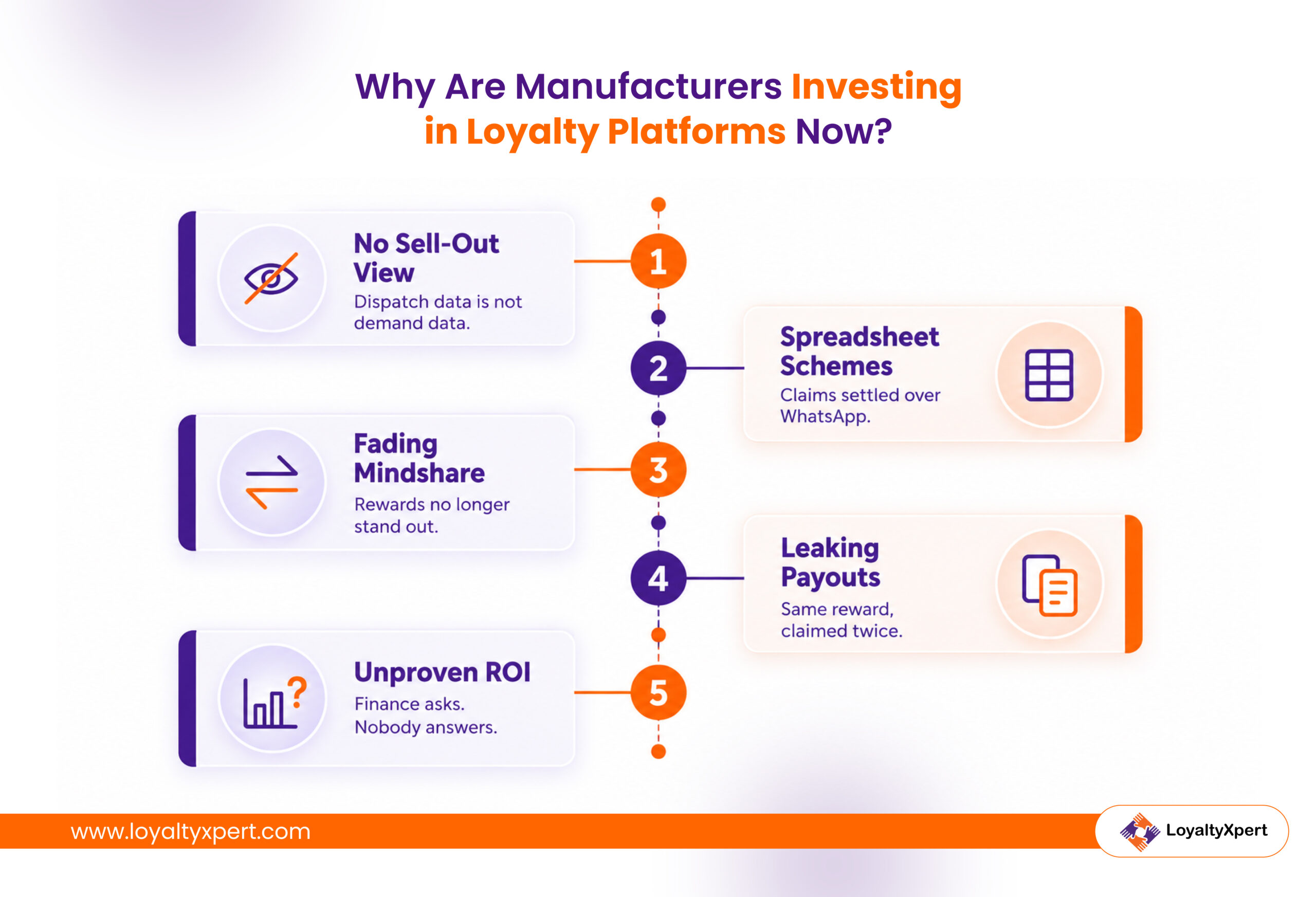
- You cannot see secondary sales. Primary dispatch data tells you nothing about sell-out.
- Schemes run on spreadsheets. Claims arrive by WhatsApp and get settled manually.
- Dealers ask about competitor schemes. Your reward structure no longer differentiates you.
- Influencer payouts leak. Carpenters, electricians, or masons claim rewards twice.
- Nobody can prove scheme ROI. Finance questions the spend every quarter.
If three of these apply, spreadsheets have failed. A dedicated channel partner loyalty program removes most manual load within one quarter.
What Are the Top Loyalty Program Software Platforms in 2026?
The top loyalty program software platforms fall into three groups. B2B and channel-focused platforms serve manufacturers and distributors. Enterprise engagement suites serve large omnichannel brands. Ecommerce-native tools serve online retail. Your business model decides the group. Feature depth only matters after that fit is right.
Quick Comparison Table:
| Platform | Group | Best For | Standout Strength | Published Entry Price |
|---|---|---|---|---|
| LoyaltyXpert | B2B / Channel | Manufacturers, dealers, distributors | Multi-participant channel programs | Custom quote |
| Loyltworks | B2B / Channel | Mid-to-large multi-industry brands | E-warranty plus loyalty | Custom quote |
| Capillary Technologies | Enterprise | Global retail chains | Real-time AI personalization | Custom quote |
| Zinrelo | Enterprise | Large retail and ecommerce | Machine learning insights | Custom quote |
| Annex Cloud | Enterprise | Complex engagement programs | Loyalty plus referral plus UGC | Custom quote |
| Antavo | Enterprise | Retail and fashion brands | Gamification and zero-party data | Custom quote |
| Open Loyalty | Developer-led | Teams with in-house engineers | Open-source flexibility | Custom quote |
| Talon.One | Developer-led | API-first product teams | Rule engine and real-time logic | Listed from EUR 1,500/month |
| Yotpo | Ecommerce | D2C and online retail | Reviews plus loyalty in one | From USD 199/month |
| LoyaltyLion | Ecommerce | Shopify-scale online brands | Fast, simple setup | From USD 199/month |
(Prices checked August 2026. Enterprise tiers move with negotiation.)
Which Are the 10 Best Loyalty Program Software Platforms?
Each platform below is grouped by fit, not rank. Read the group first, then the detail.
1. LoyaltyXpert
Best for: Manufacturers, brand owners, distributors, and influencer networks.
LoyaltyXpert is a B2B loyalty management platform for channel networks. It runs reward programs across the channel. One deployment covers dealers, retailers, and influencers. Each group gets its own rules and catalog.
What stands out
- Multi-participant program structures in a single platform
- QR and coupon-based scan-and-earn for influencer schemes
- eKYC and TDS handling for compliant Indian payouts
- Dual wallet, tiering, and automated point expiry
- Dashboards built for channel and scheme reporting
Consider if: You sell through partners rather than direct.
Pricing: Custom quote, based on participants and modules.
2. Loyltworks
Best for: Mid-to-large enterprises across several verticals.
Loyltworks balances feature depth with usability. It combines loyalty with e-warranty management. Gamification elements include badges and leaderboards. Referral management comes built in.
Consider if: You need warranty and loyalty together.
Pricing: Custom quote, scoped by modules.
3. Capillary Technologies
Best for: Global retail chains and large consumer brands.
Capillary Technologies applies AI to real-time personalization. It manages omnichannel campaigns at scale. Predictive analytics estimate customer lifetime value. Deployment spans multiple countries.
Consider if: You run consumer programs across regions.
Pricing: Custom enterprise quote.
4. Zinrelo
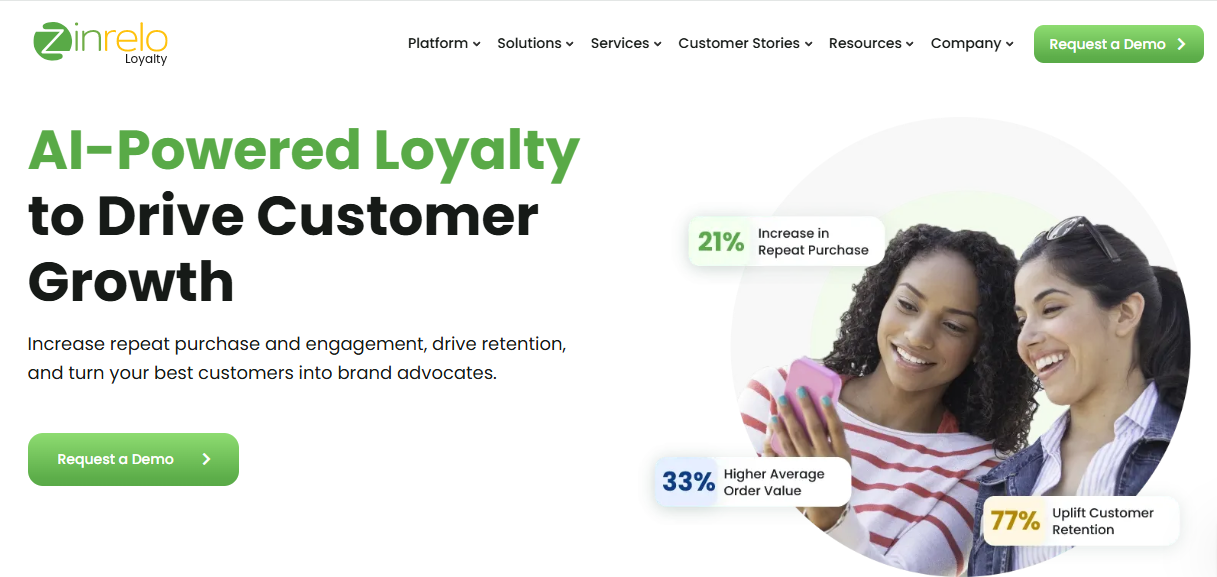
Best for: Large retailers and enterprise ecommerce.
Zinrelo processes large behavioral datasets well. Its models surface patterns analysts miss. Segmentation supports tightly targeted campaigns. Reporting updates in real time.
Consider if: Data volume is your main advantage.
Pricing: Custom quote, not published.
5. Annex Cloud
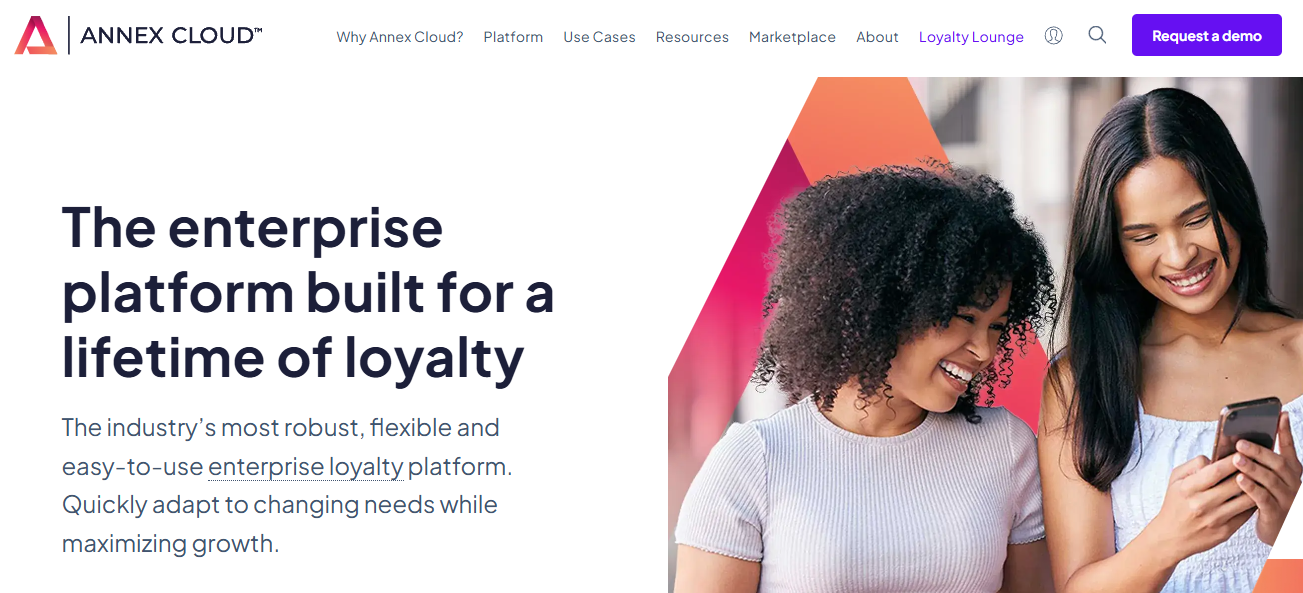
Best for: Enterprises with complex engagement needs.
Annex Cloud merges three disciplines. Loyalty, referral marketing, and user-generated content sit together. Cross-platform analytics tie them into one view.
Consider if: You want fewer vendors, not more.
Pricing: Custom quote. Implementation adds USD 5,000 to USD 20,000.
6. Antavo
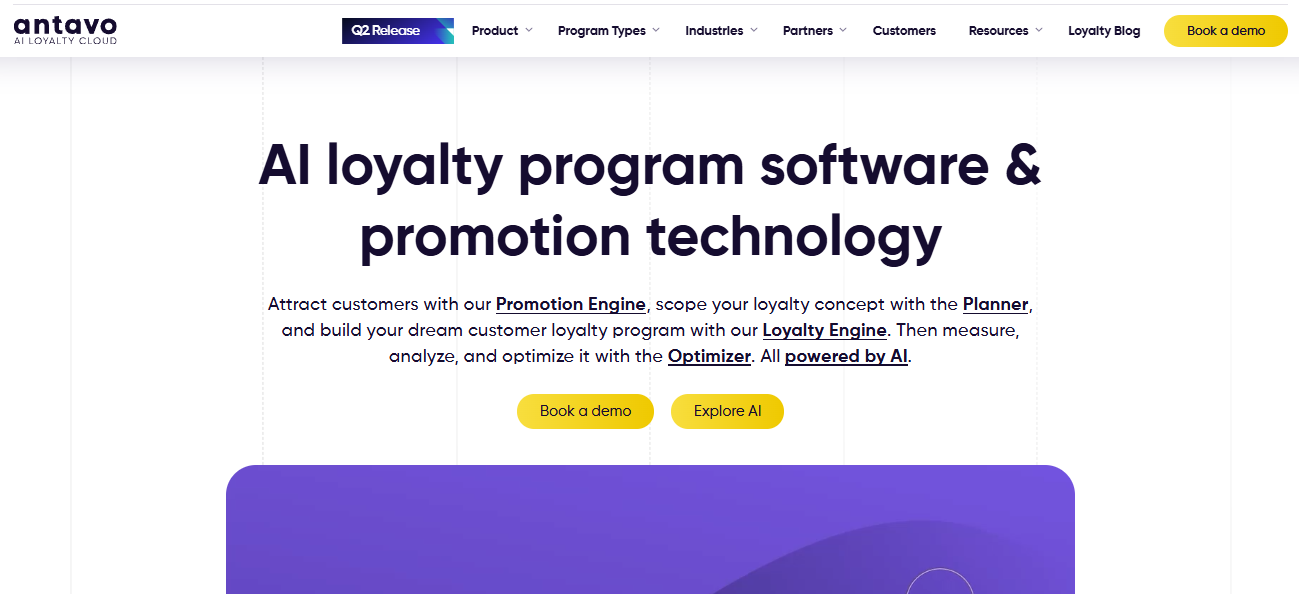
Best for: Retail and fashion brands.
Antavo focuses on emotional connection over transactions. Challenges, achievements, and journey mapping drive participation. Zero-party data collection supports personalization.
Consider if: Engagement matters more than transaction volume.
Pricing: Custom quote. Third-party estimates run USD 24,000 to USD 120,000 yearly.
7. Open Loyalty
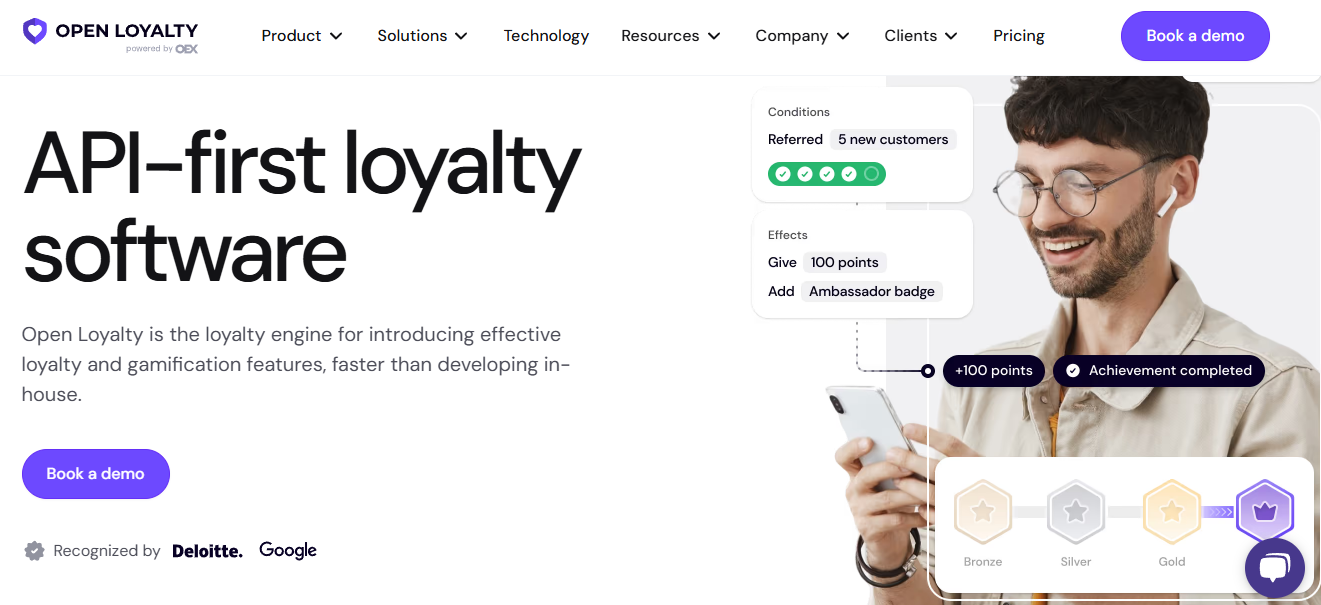
Best for: Enterprises with strong development teams.
Open Loyalty ships as open-source architecture. Modules add or drop as needed. The API-first design suits custom builds.
Consider if: You have engineers to maintain it.
Pricing: Custom quote. Self-hosting shifts cost to engineering.
8. Talon.One
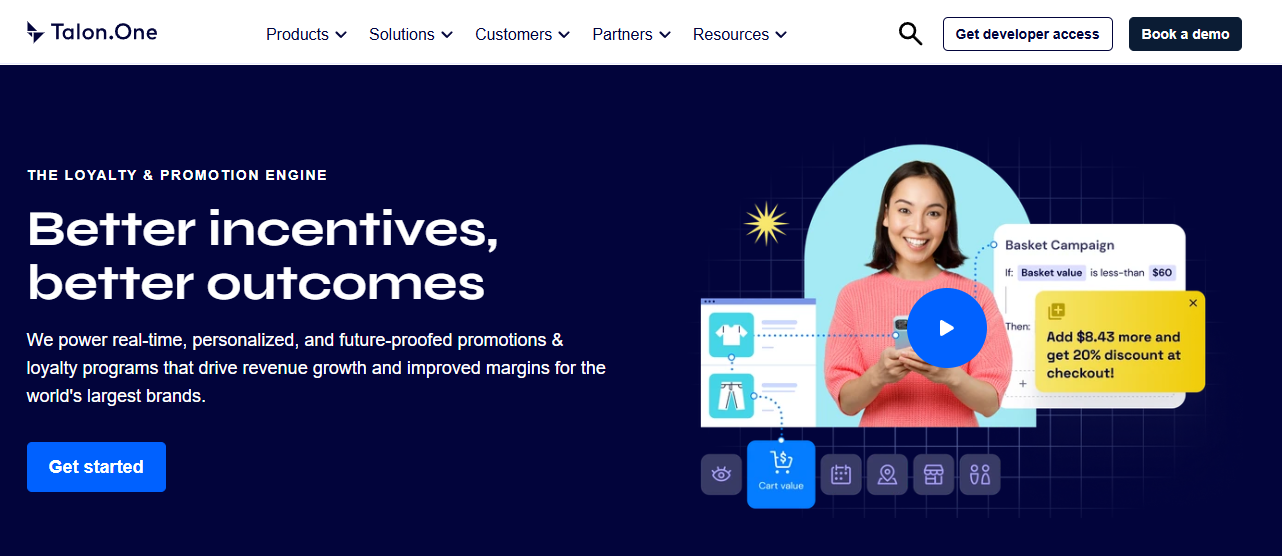
Best for: Technical teams building loyalty into a product.
Talon.One handles complex rule logic well. Real-time processing triggers instant rewards. Developer tooling is genuinely strong.
Consider if: Your team writes the loyalty logic itself.
Pricing: Enterprise quote. Capterra lists entry pricing from EUR 1,500 monthly.
9. Yotpo
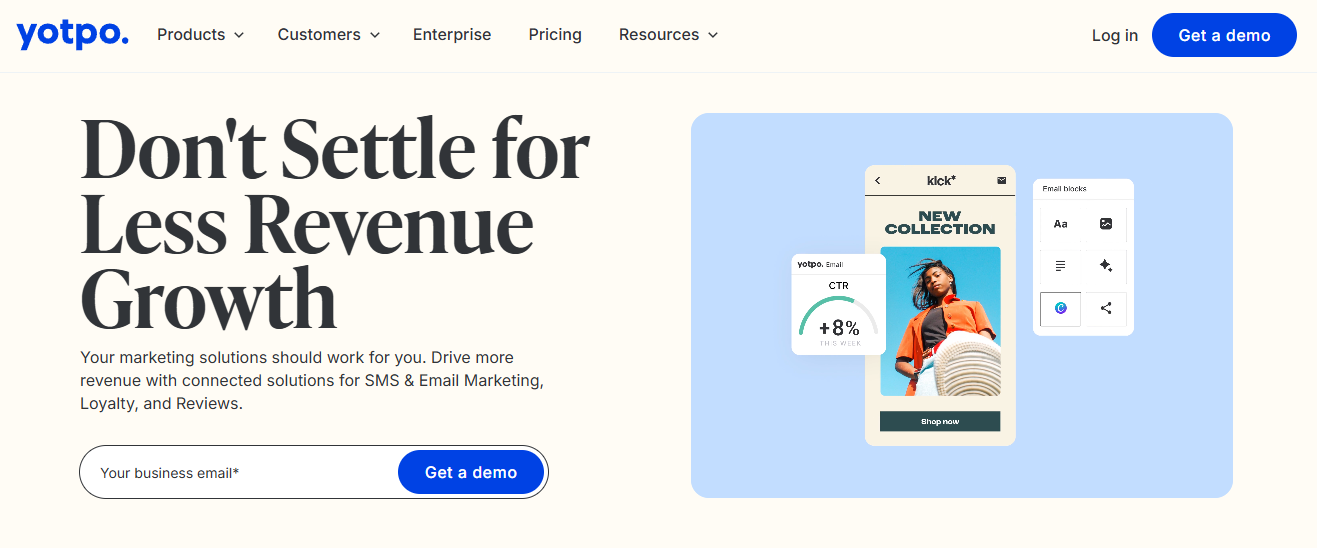
Best for: D2C and online retail brands.
Yotpo pairs loyalty with reviews and referrals. Ecommerce platform integrations are mature. Marketing automation is included.
Consider if: Reviews and loyalty share one owner.
Pricing: Free under 100 monthly orders. Pro USD 199 monthly. Premium USD 799 monthly. Overage runs about USD 0.20 per extra order.
10. LoyaltyLion
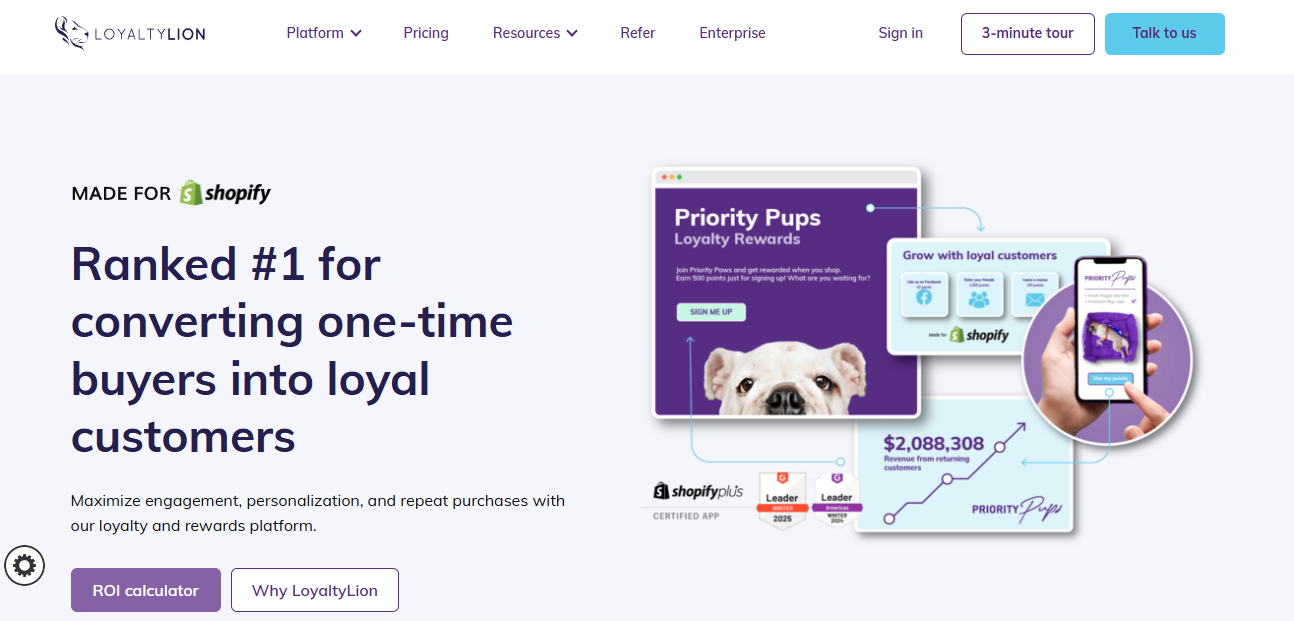
Best for: Medium to large online brands.
LoyaltyLion keeps things straightforward. Points, VIP tiers, and referrals cover the basics. Setup is fast and low-maintenance.
Consider if: You want a running program this month.
Pricing: Classic starts at USD 199 monthly and includes 500 orders. Higher tiers are quoted by sales.
What Features Should Loyalty Software Include?
Loyalty software should include seven core capabilities:
- Member management — Enrollment, profiles, and participant status tracking
- Reward engine — Earning logic and redemption processing
- Segmentation — Grouping participants by behavior, volume, or attribute
- Campaign automation — Scheme launch and messaging without manual effort
- Integration APIs — Connections into the systems you already run
- Analytics — Cost, return, and participation reporting
- Fraud control — Claim verification and duplicate detection
B2B buyers need three additions. Multi-participant hierarchies, tax compliance, and offline claim capture.
Those capabilities surface in four places during a vendor demo. Treat each group below as a test list, not a wish list.
Mature loyalty management software exposes all four report types natively. Test tier logic during every demo. It breaks more often than vendors admit. A Tier-Based Loyalty Program module deserves close inspection.
How Do You Choose the Best Loyalty Program Software?
Choosing the best loyalty program software takes five structured steps. Define the business outcome first. Build a feature checklist from that outcome. Test integration depth against your existing stack. Model total cost across three years. Then validate scalability with a pilot. Skipping the first step causes most rollouts to fail.
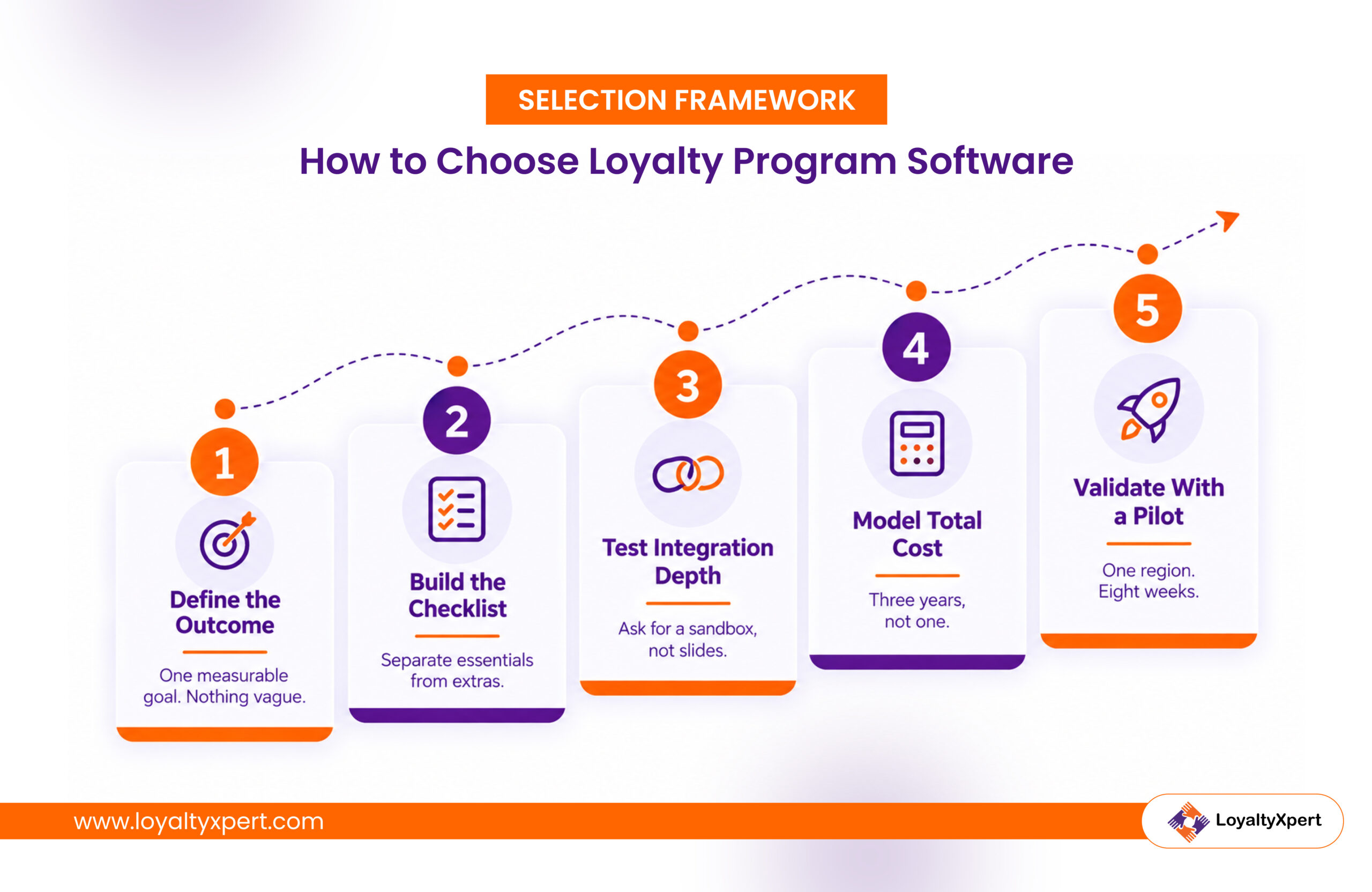
Step 1 — Define the Outcome
Write one measurable goal. Example: raise dealer reorder rate. Vague goals produce vague programs.
Step 2 — Build the Feature Checklist
Separate essentials from nice-to-haves. Rank each item honestly. Vendors will demo their strengths, not your gaps.
Step 3 — Test Integration Depth
Ask for API documentation upfront. Confirm ERP and DMS connectors exist. Request a sandbox, not a slide.
Step 4 — Model Total Cost
Include licensing, implementation, and support. Add reward liability and integration development. Three-year cost tells the real story.
Step 5 — Validate Scalability
Pilot with one region or partner tier. Measure adoption over eight weeks. A scalable loyalty program platform absorbs new regions easily. Expand only after the numbers hold.
Expert Tip:
Don’t choose a platform based on reward management alone. Check three things instead. Does it integrate with your ERP or CRM? Does it support multiple participant types together? Does it offer flexible reward rules and AI-driven analytics? A platform that passes all three will scale with you. One that passes only the first will not.
Reference checks and contract terms matter just as much when choosing a loyalty software provider that fits your business.
How Does AI Change Loyalty Programs?
AI-powered loyalty software changes reward decisions from reactive to predictive. The system studies past behavior patterns. It then recommends rewards each member actually wants. It flags partners likely to go dormant. It automatically detects duplicate or fraudulent claims. It also forecasts redemption liability before quarter-end. Marketing teams stop guessing and start targeting.
4 Ways AI Changes Reward Decisions
- Personalized reward recommendations. The catalog reorders itself per member profile.
- Churn and dormancy prediction. Inactive dealers surface before they switch brands.
- Campaign optimization. Send timing and offer value adjust from response data.
- Fraud detection and redemption forecasting. Duplicate claims get flagged; liability gets modeled.
None of this replaces program design. It sharpens it. AI-powered loyalty software still needs clean input. That means disciplined onboarding and consistent scanning. Strong Loyalty Reports turn data into decisions finance will accept
Which Industries Need Loyalty Program Software?
Industries with multi-tier distribution need loyalty program software most. Manufacturing, automotive, FMCG, paints, electrical, and building materials lead adoption. These sectors sell through dealers and influencers. Their revenue depends on partner preference, not brand advertising. Loyalty platforms give them sell-out visibility and structured incentives. Financial services and fuel retail follow closely behind.
- Manufacturing rewards distributors, dealers, and retailers. Slab-based volume schemes work best here.
- Automotive rewards spare part dealers and mechanics. Scan-and-earn on parts drives participation.
- FMCG rewards retailers and wholesalers. High purchase frequency suits fast point accrual.
- Paint and Coating rewards painters, contractors, and dealers. Influencer coupon schemes carry most of the weight.
- Electrician Loyalty rewards electricians and electrical retailers. QR-based earning with eKYC keeps payouts compliant.
- Wires and Cables rewards distributors and contractors. Volume schemes pair with project-based rewards.
- Building Materials rewards masons, carpenters, and dealers. Field-app claims replace paper and WhatsApp.
The pattern repeats across all seven. The influencer decides the brand. The dealer stocks accordingly. The manufacturer rewards both. B2B loyalty program software fits this structure naturally.
Wrapping Up
The best loyalty program software rarely has the longest feature list. It matches your channel structure instead. Manufacturers need multi-participant tracking. Distributors need slab logic and claim automation. Influencer-led brands need mobile scanning and compliant payouts.
Test three things during evaluation. Integration depth with your existing systems. Flexibility of reward and slab rules. Quality of reporting your finance team will trust.
Get those three right and the program compounds. Partners stay engaged. Sell-out data improves forecasting. Retention costs less than acquisition, year after year.
Ready to move forward? Here is where to start:
- Book a Demo — See a channel loyalty program mapped to your model.
- Contact Us — Discuss participant types, integrations, and scheme design with our team.
- Become a Partner — Explore options if you implement or resell loyalty technology.
- Loyalty Program Software — Review platform capabilities, modules, and supported program types.