Understanding the Landscape of Loyalty Program in Australia

Bountiful natural resources. Picturesque landscapes. Beautiful weather. Excellent economic prospects. High standard of living. Fair societal structure. And much more. No wonder, Australia is nicknamed “The Lucky Country.” The magical combination not only makes it one of the world’s best places to live but also gives people their distinct personality traits—adventurous, friendly, happy, and loyal.

Now, when people are so friendly and loyal, what about the country’s loyalty market? Quite naturally, Australia stands out as one of the most mature markets for loyalty programs. As per a report by Research and Markets, the country’s loyalty programs market is projected to grow at a compounded annual growth rate of 11.7% from USD 3691.1 million in 2021 to USD 6452.3 million by 2026.

As many Australian brands use conclusive studies to design their loyalty programs, the efficacy rate is quite high. At LoyaltyXpert, we strongly believe that brands can reap significant benefits from conducting loyalty program surveys as well as studying research focused on loyalty programs.

In this blog post, we have mentioned some important studies that revealed key insights into the Australian loyalty landscape as well as detailed critical factors that influence customer loyalty as well as effective strategies to enhance customer loyalty in Australia.

Insights from Research on Loyalty Programs in Australia

A Mastercard study, which surveyed 7,000 respondents across seven markets in the Asia-Pacific region, found that more than 90% of Australians actively participate in one or more loyalty programs.

Another study titled ‘For Love or Money™ 2020,’ which surveyed over 1000 Australians, found that nine out of every ten respondents attributed relevant rewards from loyalty programs as the main factor that helped them enhance their quality of life and reduce their overall cost of living.

The study also revealed that eight out of every ten respondents want recyclable rewards and seven of every ten respondents want rewards for healthy behavior. More than two-thirds of respondents claimed that belonging to a loyalty program boosted their brand experience. It was one of the most important findings of the survey.

In its Australian Loyalty Program Survey, McKinsey & Company surveyed over 1,400 consumers. Here are some of its findings:

  • Six out of every ten respondents said that being a member of a brand’s loyalty program had encouraged them either to increase their buying frequency or choose the brand over its competitors or pay a premium for increased loyalty status.
  • Brands with top-performing loyalty programs reported that respondents were 10% more likely to buy from them, 12% more likely to recommend their name over competitors, and 14% more likely to enhance purchase frequency.
  • A majority of customers used retail and grocery loyalty programs more frequently than other loyalty programs. Seven out of every ten respondents used their grocery loyalty program every time they shopped.
  • Airline loyalty programs were the least frequently used. Nearly 50% of customers said that they rarely or never used their airline loyalty program.

Australian Loyalty Program

What are the Key Factors Driving Loyalty Programs in Australia

Australian customers are extremely astute and value-conscious. Apart from focusing on high-quality products and services, they also look at a wide range of factors such as:

1. Customer experience

A majority of Australian customers place a premium on excellent customer service and experience. From the first interaction to post-purchase support, every touchpoint matters. As the saying goes, “The after-sale service is more important than assistance before sales.” The overall service and experience a customer receives from a brand greatly influences their loyalty. Brands that consistently deliver positive and personalized experiences are more likely to earn loyal customers.

2. Value proposition

Australian consumers are extremely value-conscious. They seek brands that offer a compelling value proposition. This goes beyond just competitive pricing. It includes product quality, convenience, and unique offerings. To paraphrase well-known digital marketer entrepreneur Mitch Joel, customers become the best kind of evangelist when they get above-than-expected value.

3. Trust and transparency

As American ad tycoon Phil Dusenberry said, “A brand is nothing but an expression of the consumer’s loyalty and trust.”Trust is the foundation of loyalty. Brands that are transparent and honest about their loyalty programs and rewards are more likely to gain the trust of their customers. They not only reduce the chances of loyalty frauds and pilferages but will enjoy long-term loyalty. Also, brands that prioritize data privacy ensure the safety of zero- and first-party customer data.

4. Customization

One of the major reasons most loyalty programs fail is that they foster a one-size-fits-all approach. Brands must understand that different customers value different types of rewards. And they must personalize their incentives and experiences accordingly. Australian consumers respond well to loyalty programs that align with their interests and lifestyle. Loyalty programs that offer meaningful rewards and incentives can significantly impact customer retention. Businesses that leverage data to understand customer preferences and deliver tailored offerings can create stronger connections with their audience.

4. Social responsibility

Ethical and socially responsible practices resonate with Australian consumers. As per new research by Australian media company Nine for Brands and cultural insights agency FiftyFive5, four out of every five Australians want brands to use their power for social change. Another study found that nearly half of Australians prefer to buy from an eco-friendly and socially responsible brand. Brands that demonstrate a commitment to environmental sustainability and social causes can attract and retain socially-conscious customers.

[pafe-template id=”10457″]

Effective Strategies for the Australian Loyalty Program

To thrive in the loyalty landscape in Australia, businesses can adopt several strategies to build and nurture loyal customer relationships:

1. Join hands with the right loyalty partner

Finding the right loyalty partner can mean the difference between success and failure. With a proven track record and years of experience, a reliable and reputable loyalty solution provider can significantly impact the effectiveness and long-term sustainability of your loyalty program.

2. Design strong loyalty programs and tailor rewards

Develop loyalty programs that offer genuine value to customers. Also, focus on providing relevant and tailored rewards to customers. Consider incorporating tiered rewards, exclusive offers, and personalized incentives to encourage repeat purchases and engagement.

3. Personalized communication

Use customer data to deliver personalized communication across various channels. Tailor your marketing messages to meet the specific needs and interests of individual customers.

4. Prioritize customer experience

Ensure consistency in customer experience across all touchpoints, whether it’s in-store, online, or customer support. A seamless and positive experience creates a strong impression and enhances loyalty.

5. Leverage referrals

Customer loyalty programs and referral rewards are a match made in heaven! As per a study conducted by leading market research firm Nielsen, nine out of every ten customers trust recommendations from family members and friends compared to any other form of advertising. By incorporating referral rewards, businesses can harness the influential force of word-of-mouth marketing to its fullest potential.

In general, it can be said that. 

Understanding the Australian loyalty landscape is extremely crucial for businesses that are either operating or planning to operate in the country. After all, it’s one of the most mature markets for loyalty programs. By partnering with the right loyalty provider and adopting effective strategies, brands can create robust loyalty programs that resonate with Australian consumers.

If you are looking to establish a strong presence in the dynamic and flourishing Australian market, LoyaltyXpert is the right choice for you. As an industry-leading loyalty solution provider with a wealth of experience and a proven track record, we understand the intricacies of the Australian loyalty landscape and can be your dedicated partner in crafting robust loyalty solutions. For Book a free demo, contact us today.
How to Choose the Right Loyalty Platform Provider for Your Business?

Loyalty programs have become a critical part of customer retention and engagement strategies across industries. From customer rewards programs to dealer loyalty initiatives and channel partner engagement platforms, businesses increasingly rely on loyalty technology to drive long-term growth.

As a result, choosing the right loyalty platform provider has become an important business decision. The wrong provider can lead to implementation challenges, limited scalability, poor user adoption, and lower-than-expected ROI. The right provider can help businesses launch successful loyalty programs, automate engagement, and generate measurable results.

A study conducted by global consulting firm Accenture revealed nine out of every ten companies in the world have a loyalty program in place.

With dozens of loyalty platform providers in the market, evaluating solutions can be overwhelming. In this guide, we’ll explore the key factors businesses should consider when selecting a loyalty platform provider and how to identify a solution that aligns with long-term business goals.

7 Steps to Choosing Loyalty Platform Providers

To help you out in your search for a good loyalty partner, we have created the right loyalty partner checklist, especially for large-scale enterprises.

  1. Features and USPs
  2. Budget
  3. Loyalty fraud prevention mechanisms
  4. Flexibility and scalability
  5. Privacy and security
  6. Integration capabilities
  7. Real-time analytics and reports

This blog post discusses the things businesses look for when they choose a suitable loyalty platform provider. Read on and thank us later.

1. Features and USPs

Before B2B companies and enterprise brands start looking for any loyalty platform provider, they know the exact features they want in their loyalty platform. That’s the prism through which they make buying decisions based solely on features and unique selling propositions (USPs).

To explain USPs in simple words, it is the answer to the questions such as “What’s special in the B2B loyalty platform software that others don’t have?” “Why should I buy from this loyalty platform provider instead of any other?”

Some loyalty platform providers offer some additional features and USPs compared to competitors. And that makes a lot of difference to enterprise brands who are looking to create high-quality B2B loyalty programs.

2. Budget

Budget is another factor that plays a huge role in determining the right loyalty partner. As American radio personality Dave Ramsey rightly said “A budget is telling your money where to go instead of wondering where it went.”

Many enterprise brands set a budget before they begin to scout for loyalty platform providers. That gives them a ceiling to invest and prevents them from over-investing and under-investing.

Just imagine a situation where an enterprise-level organization doesn’t have a pre-set budget for its loyalty platform. It may over-invest in a solution with a wide range of features and specifications. But it faces a higher risk of under-investing in an inferior-quality platform that comes at a heavy “discount”.

Fixing a budget will help in deciding the quality and number of features you would like your platform to have as well as the APIs (Application Programming Interfaces) you would like to access. As popular content strategist Tere Stouffer said, “Used correctly, a budget does not restrict you. It empowers you.”

3. Loyalty fraud prevention mechanisms

“If you see a fraud and don’t do anything, you are a fraud.” This quote by acclaimed writer Nassim Nicholas Taleb is so relevant in today’s time where loyalty fraud is a serious concern for a majority of B2B companies. Pilferages and frauds are two big problems in traditional loyalty programs.

According to Forter’s 2019 Fraud Attack Index, loyalty fraud increased by 89% and the total dollar amount in online loyalty fraud rose by 12% on a y-o-y basis. Many contemporary enterprise brands focus on loyalty fraud prevention mechanisms when they look for loyalty platforms.

Sophisticated loyalty platforms come equipped with robust fraud prevention mechanisms, which can help an average manufacturing or B2B company save thousands of dollars every year.

4. Flexibility and scalability

Do you know the main reason why a majority of loyalty programs fail? They are designed as one-size-fits-all programs! Loyalty programs evolve. That’s why a majority of enterprise brands make sure that the loyalty platform provider is willing to offer customized options to align with its unique requirements.

Loyalty programs should be flexible to adapt to changing business objectives, customer preferences, and market trends. Selecting a sophisticated loyalty platform provider enables enterprise brands to tailor rewards and customize loyalty programs to specific customer segments.

Advanced loyalty platforms also provide huge scalability to enterprise companies. The right loyalty platform can help B2B companies scale up (as well as scale down) their loyalty programs as per their business requirements. They can enhance member intake, transaction volumes, and redemption of rewards without any problem. 

5. Privacy and security

Customer data is indispensable for loyalty programs. That’s why enterprise-level companies collect and store a lot of relevant zero- and first-party data from their customers and channel partners. They must ensure the privacy and security of all data and information. Privacy is not an option. Privacy is non-negotiable. Organizations cannot compromise on security and compliance at any point.

While looking for a loyalty platform provider, enterprise brands prioritize security and compliance. The larger the enterprise and the bigger is their customer base, the stronger should be the privacy and security.

Enterprise brands assess loyalty platform providers’ security measures ranging from access controls, data storage practices, and encryption protocols. You should also ensure that the loyalty platform provider’s platform complies with the General Data Protection Regulation (GDPR), Personal Data Protection Bill (PDPB), and other location-specific regulations.

6. Integration capabilities

Enterprise brands use different systems for different purposes. They use Customer Relationship Management (CRM) platforms to monitor, manage, and organize their relationships with customers. Marketing automation tools to send automated messages and emails via SMS, instant messages, and emails. Ticketing systems to create, track, and close various tickets. That’s why they look for a loyalty platform that can integrate with all the existing systems seamlessly.

When looking for a loyalty platform provider, enterprise brands look for platform providers that can offer strong integration capabilities. When a loyalty platform seamlessly integrates with existing infrastructure, it streamlines operations and enhances customer experiences.

A well-integrated loyalty platform enables enterprise-level organizations in synchronizing customer data from multiple sources, enhancing customer segmentation, and executing targeted marketing campaigns effectively. Integration capabilities should extend beyond basic data exchange to include automated processes, single sign-on functionality, and API (Application Programming Interface) support.

7. Real-Time Analytics and Reports

“What gets measured gets managed.” The statement by renowned management guru Peter F. Drucker is so relevant for loyalty programs. When loyalty programs are well-monitored and measured, they can be properly managed and pivoted.

When looking for loyalty platform providers, B2B companies check if the loyalty platform provider equips their platforms with high-quality analytics and reporting tools.  If you search for loyalty platform providers, make sure that their loyalty platforms have advanced analytics and reporting capabilities.

Conclusion

Selecting the right loyalty platform provider is a strategic decision that can directly impact customer retention, engagement, and long-term business growth. Beyond technology, businesses should evaluate providers based on industry expertise, scalability, support capabilities, and their ability to deliver measurable results.

By choosing a provider that aligns with your business goals and loyalty strategy, organizations can create more engaging experiences, strengthen relationships, and maximize the return on their loyalty investment. So what are you waiting for? Contact our team today to request a free demo.

Loyalty Program Liabilities or Investments?

“Are loyalty programs liabilities or investments?” This is a million-dollar question for many businesses, including yours! Before answering the question, let’s understand the terms ‘liabilities’ and ‘investments’.

In his best-selling book “Rich Dad Poor Dad,” noted investor, author, and entrepreneur Robert Kiyosaki explained asset, liability, and investment in extremely simple language. An asset puts money in your pocket. A liability takes money out of your pocket. And an investment makes money work for you.

Now, coming back to the question, “Are loyalty programs liabilities or investments?” Well, some businesses count their loyalty programs are liabilities. As per an article published by Stanford University, the main currency of most loyalty programs is points, using which customers transact with brands. As each point signifies a commitment to future service, the businesses’ balance sheets consider the monetary value of the points as a liability.

But if we look at relevant stats, then it would be clear that loyalty programs are among the best investments for all types and sizes of businesses. A recent study found that three-fourths of American businesses with loyalty program report positive returns on their loyalty investments.

Leaving all stats and studies aside, the answer to the question lies in plain sight. Take any successful company, be it Amazon or Zappos, they all run highly successful loyalty programs. Now would such legendary companies use loyalty programs if they don’t see them as investments but as liabilities? Certainly not!

Are Loyalty Programs Liabilities or Investments?

Here are the reason loyalty program liability is an asset:

Whether a loyalty program is a liability or an investment depends on a number of factors, including the design of the program, the way it is managed, and the overall performance of the business.

If you think about liability as an investment you’re making in your members, then the loyalty program liability starts to look a whole lot more like an asset. Think about it this way: every dollar you put into the liability is an investment in your members.

At LoyaltyXpert, we understand the power of well-designed loyalty programs and have enabled many businesses of different types in various industries to generate high returns on their loyalty investments. In this blog post, we discuss why loyalty programs are the best investments and what best practices you can comply with to enhance your loyalty programs.

Why are Loyalty Programs the Best Investments?

When prudently designed and properly executed, loyalty programs can generate a significant return on every dollar invested. That’s why many successful businesses publicize their loyalty programs around the globe and count them as their best investments.

  • Improved Customer Retention

The very purpose of loyalty programs is to enhance customer retention. As per the latest stats, three-fourths of customers prefer to make repeat purchases from businesses that offer loyalty rewards and points. Not just that, other data reveals that loyalty programs can increase spending by 54% of a business’s customer base.

This is the biggest benefit of loyalty programs as customer retention is more profitable and cost-effective than acquiring new customers. As per several data, retaining existing customers is five to seven times less expensive than acquiring new customers, and raising customer retention by only 5% can increase profits by 25 to 95%.

  • Enhanced CLV and CFV

CLV stands for (customer lifetime value) and CFV stands for (customer future value). A new study found that when a business realizes just a 7% rise in brand loyalty, it can cause the CLV of each customer to increase by up to 85%!

When a brand manages to retain customers and make them purchase more and more, it can unlock the potential for higher CLV and CFV, which results in higher revenue and profitability. By retaining valued customers, brands can also increase cross-selling and upselling opportunities.

  • Access to Valuable Customer Data and Insights

Would you be surprised to know that a majority of companies collect zero- and first-party data on their loyalty app? A recently published stat found that nearly half of businesses collect zero- and first-party data using their loyalty app and about 60% of the companies collect the data at the launch of new promotions or marketing campaigns.

Loyalty programs provide companies with a huge amount of primary data, which can be leveraged to make data-driven decisions. Businesses can also use the data to personalize customer experiences and loyalty programs. As per a study conducted by Accenture, 8 out of 10 customers are ready to share data with businesses in exchange for personalized experiences.

  • Cost-Effective and Easy to Monitor

Let’s face it; digital loyalty programs are much more cost-effective compared to traditional marketing strategies. In traditional marketing strategies, you allocate money to different marketing channels such as TV, radio, billboards, newspapers, and magazines and wait for the results. You don’t have any means to know which campaign is working and which isn’t.

As John Wanamaker, the pioneer of department stores, said “Half the money I spend on advertising is wasted; the trouble is I don’t know which half.” But loyalty programs don’t need the amount of money that traditional marketing campaigns need and it’s easy to track loyalty programs’ performance using analytics and reporting tools.

[pafe-template id=”10457″]

5 Ways to Make Loyalty Programs Profitable

To get the desired return on your loyalty investments, you need to make sure that you adhere to these best practices for loyalty programs:

1. Know Your Customers

The first step is to know everything about the customer for whom you are creating the loyalty program. Try to find out everything about them starting from their age, gender, education and profession, purchase habits, likes and preferences, and interests. This will help you to create the persona of your perfect customer.

2. Handpick the Right Loyalty Partner

After knowing everything about your customer, it’s time to look for some reliable and reputable loyalty solution providers in the market and select the right partner as per your needs and specifications. You can take the help of the internet to start with the preliminary search and dig deep into the results to find the right solution provider for your business. When looking for a suitable solution provider, find out if they provide a free demo as that can help you make an informed decision.

3. Simplify Registration and Onboarding

After joining hands with the right loyalty partner, it’s time to design a loyalty program. During this process, make sure that your registration process is extremely simple so that more of your target customers can register themselves without any hassle. While designing the app or platform, see to it that the onboarding process is extremely fast and efficient.

4. Tailor Loyalty Rewards

Knowing your customers gives you a huge benefit as it enables you to design the right loyalty rewards for them. By creating various customer personas, you can know which customer segments value financial rewards more and which ones value experiential and non-transactional more.

5. Monitor your Loyalty Program

Last but not least, monitor your loyalty program and try to find out how your loyalty program is performing. If the actual results don’t match the expected results, recalibrate your program until you start getting desired outcomes.

Taking everything into account

If you design and execute your loyalty program extremely methodically, then they can generate huge returns on your investments. Iconic brands such as Amazon, Apple, Starbucks, and many others are famous for their loyalty programs and leverage them as a massive promotional vehicle.

At LoyaltyXpert, we have created and managed many businesses and helped them achieve high returns on their investments. If you are looking to make the most of your loyalty programs, contact us today or request a free demo with our loyalty expert.

The Secrets Behind Successful Restaurant Loyalty Programs

Did you know that the restaurant industry has one of the lowest customer retention rates? A 2018 study found that while the media and professional services industry has the highest customer retention rate of 84%, the hospitality, travel, and restaurant sectors have the lowest rate of 55%.

Another study conducted by Thanx, Inc., a loyalty and guest engagement platform, found that seven out of every ten restaurant customers never make a return visit to the same restaurant after their first visit. Over the years, restaurant loyalty programs have proven to be extremely beneficial for restaurants, fast food chains, cafés, and diners when bringing in repeat business and boosting revenue.

This blog post discusses the benefits of restaurant loyalty programs as well as the different types of restaurant loyalty programs, with the latest examples.

Benefits of a Restaurant Loyalty Program

Restaurants having a loyalty program benefits business in three primary ways to attract and keep customers:

1. Lower Costs of Customer Acquisition

In a restaurant, the cost of acquiring new customers is significantly higher than the cost of retaining existing ones. That’s because the amount of money that eateries and restaurants spend on restaurant loyalty programs is only a fraction of what they spend on marketing and advertising costs. In addition to that, the investments made in restaurant loyalty programs can be measured and monitored.

2. Greater Word-of-Mouth Publicity

The right restaurant loyalty programs will not only fare better than marketing and advertising campaigns but will also lead to more favourable word-of-mouth publicity.

When customers get meaningful and valuable loyalty rewards and referrals, they are more likely to spread the word about their favourite restaurants and delicacies. It results in a win-win situation for all—the restaurants, customers, and their family members and friends.

3. Higher Profits and Revenue       

Higher profits and revenues are just a by-product you register after attracting more new customers and retaining existing ones. After getting positive word-of-mouth publicity, you will get more customers, and the majority of them will come to you repeatedly. Not just that, many of them will also bring more customers to you and set off a virtuous cycle.

4. Higher CLV (Customer Lifetime Value)

A well-designed restaurant loyalty program will enhance customer lifetime value (CLV). CLV is a metric that measures the total amount a business (in this case, a restaurant) earns from the average customer over the entire lifetime of their account. If you succeed in creating and running effective restaurant loyalty programs, you will generate a higher lifetime value from your customers. 

Apart from that, you will also have more responsive and adventurous customers, who will be willing to give feedback and try out new menus and dishes in your restaurant.

Types of Restaurant Loyalty Programs

When it comes to restaurant loyalty programs, there are four main types. We have also provided suitable examples of each type of loyalty program.

  • Points-based rewards
  • Item-based rewards
  • Subscription rewards
  • Promotional rewards

1. Points-Based Loyalty Program

As you can guess from the name, members of this loyalty program get points for their transactions and interactions. Restaurants that offer points-based loyalty programs reward their customers and loyalty program members with specific points for specific spending or just for visiting the restaurant.

The biggest benefit of using a points-based loyalty program is that it’s simple to manage and track. If you intend to use points-based restaurant loyalty programs, keep your rewards simple. When customers know what they can expect from the points-based loyalty program, they are more likely to participate.

2. Item-Based Loyalty Program

As the name suggests, in an item-based loyalty program, customers get a free item after specific transactions or activities. A good example of an item-based loyalty program is providing a free food item after a certain number of purchases or taking part in some activities.

3. Subscription-based rewards program

Under subscription-based rewards programs, subscribers receive rewards for touching specific milestones. The biggest advantage subscription-based rewards program is that it enables restaurants and eateries to build long-term relationships with customers who will pay a recurring subscription fee regularly (either monthly or yearly) to consume their favourite foods or beverages. It also provides restaurants access to upfront cash.

4. Promotional loyalty programs

In this type of loyalty program, members receive loyalty rewards with expiration dates that encourage them to tuck in or take away from the restaurant during a specific window of time.

Unlike other restaurant loyalty programs, promotional rewards don’t have to be pinned to specific programs. Many companies provide promotional rewards as surprise promotions to incentivize customers.

Top 3 Examples of Loyalty Programs in the Restaurants Industry

Here a 3 Examples of the list of real-world restaurant loyalty programs you can use as inspiration:

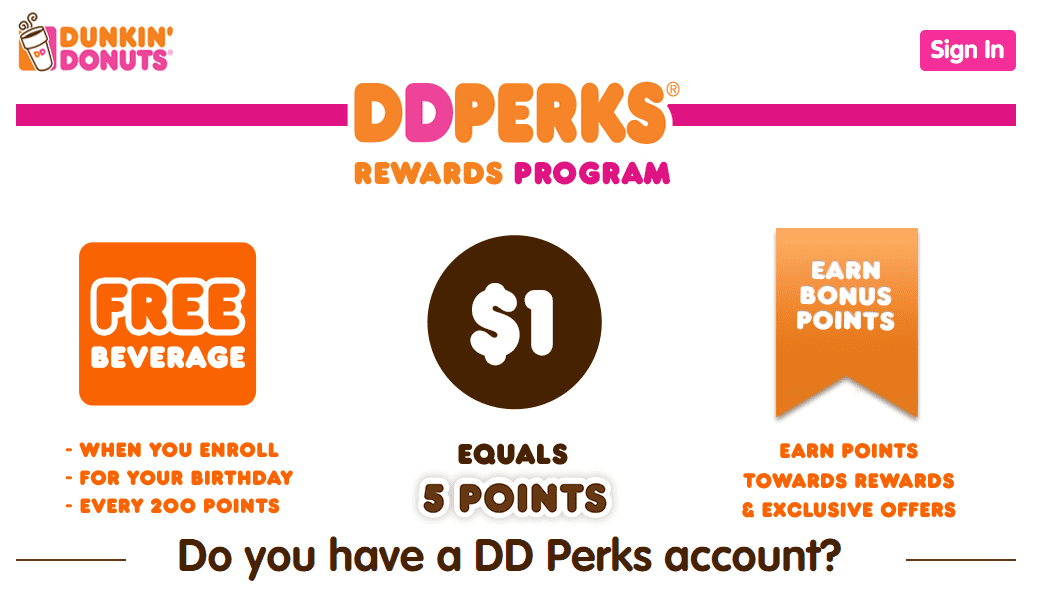
1. DD Perks Dunkin Donuts

Dunkin’ Donuts is an American-based coffee and doughnut company with over 12,000 shops in 45 countries and over 8 million loyal customers across the globe, They too participate in restaurant loyalty programs believing it to be central to customer retention and future revenue.

Dunkin Donuts Rewards Program

One of the best examples of a points-based restaurant loyalty program is Dunkin’ Donuts Rewards Program—DD Perks—which uses priority services as the main selling point. Under the program, loyalty members earn five points for every dollar they spend. They can use the points toward gift cards.

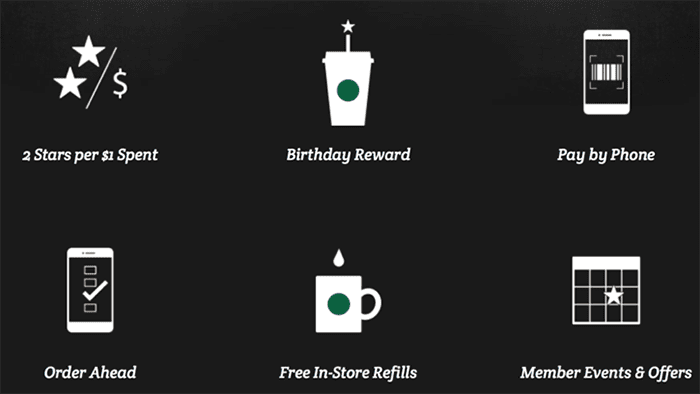
2. Starbucks Rewards Program

Launched in 2009, this was the first loyalty program to be made available via a mobile app. Today Starbucks has more than 30,000 stores in 80 countries, half of them in the US. In 2021, their revenue reached an impressive $29 billion.

Starbucks Reward Program

Some excellent examples of item-based loyalty programs are Starbucks Rewards for Green and Golden Status holders, which offer:

  • Free add-ons, food, and beverages
  • Free birthday reward every year
  • Free refills on brewed coffee and tea

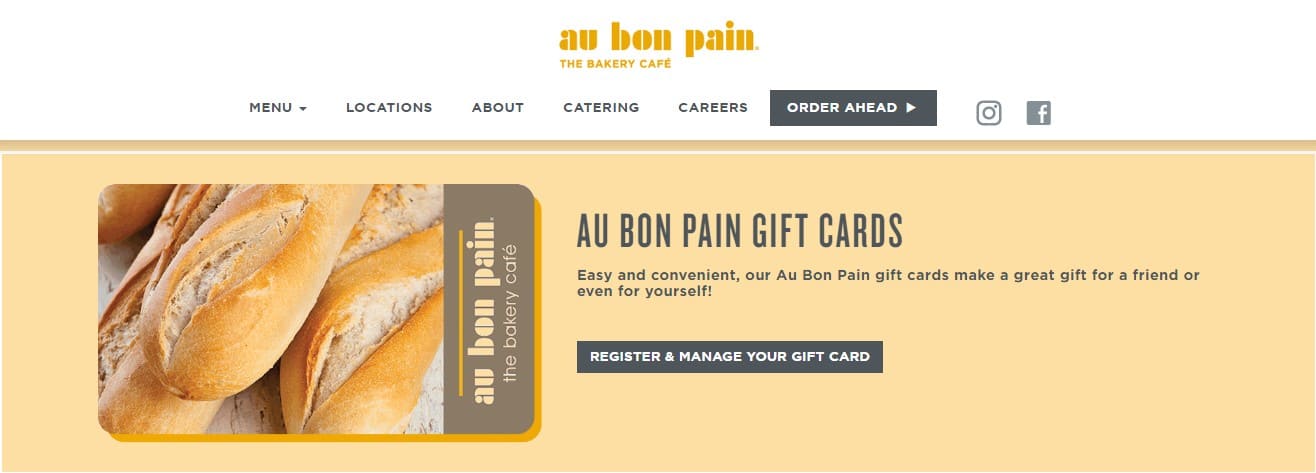
3. Au Bon Pain Rewards Program

American fast casual restaurant, bakery, and café chain headquartered in Richardson, Texas and operates 175 locations in the United States, and Thailand. The company is currently owned by AMPEX Brands.

Au Bon Pain Rewards Program

An excellent example of a subscription-based rewards program is the program of Au Bon Pain Under its subscription program, it provided unlimited coffee refills to the members of its Endless Coffee Mug club for a yearly subscription fee of USD 199. Apart from that, it also provided subscription members with an exclusive reusable mug.

To sum up,

Restaurant loyalty programs have revolutionized the way restaurants and eateries attracted and retained customers for a long time. Restaurant loyalty programs are among the best promotional and retention strategies for the hospitality and restaurant sectors.

Don’t look any further if you’re looking for well-designed restaurant loyalty programs. At LoyaltyXpert, we have designed and created extremely effective rewards programs for many reputable restaurants in the country as well as abroad. If you want to know how we can help, contact us today to get a free demo.

CPG and FMCG Loyalty Programs: A Ultimate Guide (2025)

From waking up to going to sleep, an average person uses more than a dozen of different consumer packaged goods (CPGs) and fast-moving consumer goods (FMCG) every day. Won’t you agree?

Starting from toothpaste and toiletries to packaged foods and beverages, the lifestyle that we enjoy today would not be possible without CPG and FMCG sector. Apart from being one of the most useful sectors, the CPG and FMCG industry is also one the fastest-growing in the world.

As per data released by Allied Market Research, the worldwide CPG and FMCG market size is estimated to grow at a compounded annual growth rate of 5.1% between 2021 and 2031, from USD 11,490.9 billion in 2021 to USD 18,939.4 billion by 2031.

But the sector also has its share of challenges. It’s a highly competitive space where big and small companies compete for customers’ attention and limited shelf space. The customer retention rate in the sector is just 60%, which is one of the lowest. This also results in rising customer acquisition costs and decreasing customer lifetime value.

As a manufacturer of consumer packaged goods (CPGs) or fast-moving consumer goods (FMCG), you must devise ways to enhance customer loyalty and increase their lifetime value. One of the most effective ways to do that is by leveraging CPG/FMCG loyalty programs. 

What are CPG and FMCG Loyalty Programs?

CPG and FMCG loyalty programs are dedicated customer retention programs exclusively designed for CPG and FMCG brands such as packaged food and beverage brands, cosmetics brands, toiletries and household cleaning product makers, and more such products.

The main objective of a CPG and FMCG loyalty program is to make the transactions and interactions meaningful for customers. The rewards in these loyalty programs not only motivate and educate customers but can also be utilized to get new valuable referrals.

A unique attribute of CPG and FMCG loyalty programs is that they narrow the gaps between customers and brands. As CPG and FMCG products mostly sell through brick-and-mortar stores as well as e-commerce websites, they need some type of method to confirm purchases made by every loyalty program member.

Challenges Faced by CPG and FMCG Brands

When it comes to retaining customers, every sector faces some kind of challenges. The CPG and FMCG brands witness the following types of challenges:

1. Cutthroat competition

Even though the CPG sector is one of the fastest-growing sectors in the world, it’s one of the most competitive sectors. The competition for quantity and price is fierce. Many CPG brands face a wide range of similar competitors with almost similar products, quantity, price points, and efficacy. That makes it extremely differentiated between brands, which causes fleeting loyalty.

2. High churn rate

An article published by CustomerGauge found that the CPG industry has an average customer churn rate of 40%, which is the second-highest in eleven industries. Interestingly, the wholesale sector, which is closely related to the CPG sector, has the worst average churn rate of 56%!

3. Lack of first-party customer data

Let’s face it; CPG brands have limited access to first-party user data. As most of them sell either through brick-and-mortar stores or online marketplaces, they lack the means to collect and leverage customers’ data.

4. Lack of unified customer profile

It’s extremely difficult for CPG brands to have a unified customer profile because a majority of customers either buy from brick-and-mortar stores or third-party e-commerce websites. When most customers alternate between online and offline purchases, it becomes difficult for CPG brands to have a unified customer profile.

5. Limited opportunities to differentiate the customer experience

CPG brands have extremely limited opportunities to differentiate their customer experiences. This is extremely challenging in price-sensitive markets, where customers are extremely price-conscious, and products with the lowest price tags sell the highest.

6. Private labels

This is rampant in the CPG sector. Private labelling means a product, which a retailer sells under its brand name, is manufactured by another company. This puts immense pressure on new CPG brands as they find it difficult to compete with more established names in the sector.

Loyalty Programs Features for CPG and FMCG Brands

The CPG and FMCG sector is unique in many ways. The brands play a volume game (they focus on selling more volumes to channel partners and retailers). They also aim to get repeat purchases from their end customers. To achieve their objectives, they can leverage many types of loyalty programs ranging from:

1. Coupon codes

CPG/FMCG brands can use coupon codes effectively within their loyalty programs to enhance customer engagement and drive sales. They can print a code on the packaging that customers need to submit to the website or app.

By doing so, they can provide members with unique coupon codes that offer exclusive benefits and offers for special occasions such as birthdays or joining anniversaries. This provides customers with a special feeling and a sense of exclusivity, which incentivizes them to take part in the loyalty program.

2. Gamified surveys

Loyalty programs can be instrumental when it comes to conducting incentivized and gamified surveys. Why is that? Well, let’s be honest, a majority of customers will not engage with surveys and quizzes without a reward. By conducting gamified surveys, you can collect zero- and first-party data as well as know your customers’ shopping habits, lifestyles, product preferences, etc.

3. Badges and challenges

Badges and challenges can be extremely useful for CPG brands to shape customer behaviour. In this type of loyalty program, members have to complete certain milestones to achieve badges and challenges. When the customers complete their desired challenges and achieve the corresponding badges, then they feel a sense of accomplishment. This encourages them to engage with loyalty programs more frequently.

4. Partner rewards

Partner rewards are among the best loyalty programs for the CPG/FMCG sectors. By using this reward strategy, CPG and FMCG brands not only can reward their channel partners but also join hands with other relevant brands and create cross-promotional campaigns. This can provide unique experiences to partners, influencers, and celebrities. It can also enable brands to enhance the appeal of their loyalty programs.

5. Tiered memberships

In this type of loyalty program, customers are grouped into different tiers or levels based on their buying frequency and spending capacity. The more they buy and the higher they spend, the greater are the ranks and tiers.

Higher tiers come with more lucrative benefits such as tailored offers, access to exclusive events, priority seating, and more. Customers who’ve reached higher tiers are more likely to stick with the CPG brands as switching to different brands would take away their hard-earned tiers and ranks.

6. Experiential rewards

Experiential rewards provide loyalty program members with unique and memorable experiences. Some highly unique experiential rewards are VIP events, behind-the-scene access, product testing, and culinary experiences, just to name a few. Experiential rewards work like magic for brands that aim to create lasting impressions in the minds of channel partners, influencers, and customers.

7. Tailored promotions and offers

Last but not least; many CPG and FMCG brands create customized and tailored promotions and offers to provide rewards as per the needs and preferences of their channel partners and customers. Tailored and customized promotions and offers are based on loyalty program members’ interests and preferences, past transactions, buying history, as well as special occasions. 

Top 3 Examples of CPG and FMCG Loyalty Programs

Some of the top CPG and FMCG loyalty programs are:

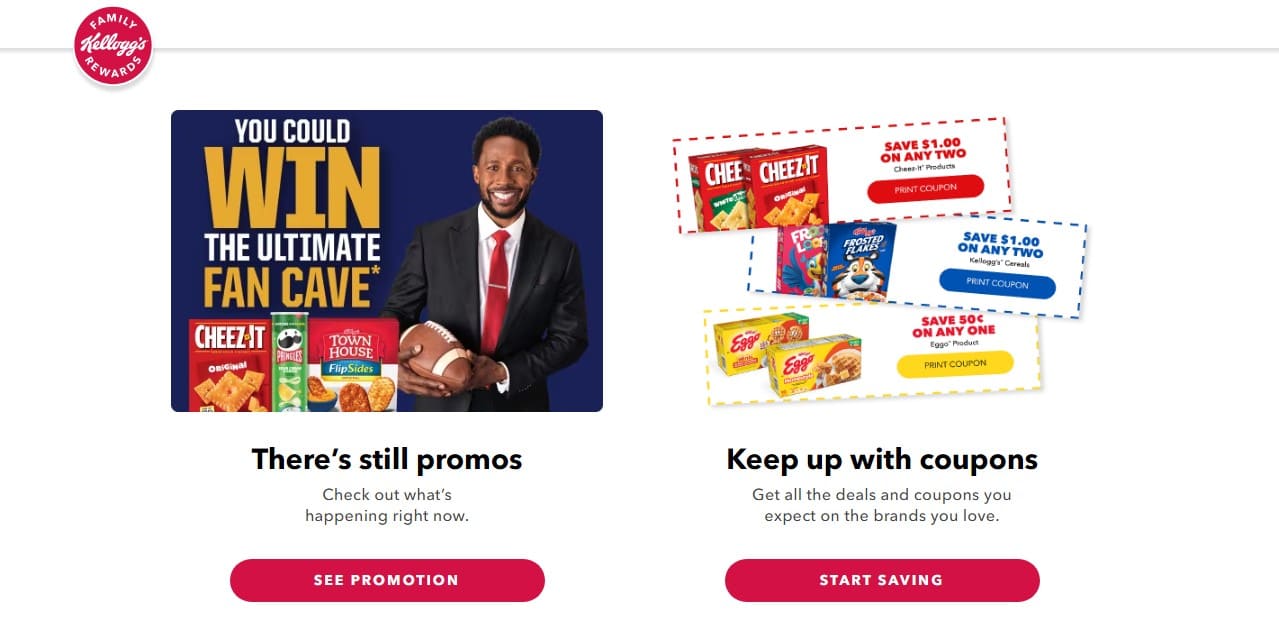
1. Kellogg’s: Family Rewards

Michigan-based multinational packaged food manufacturing company Kellogg’s started its Family Rewards loyalty program in the U.S. in 2012 and revamped it ten years later, in 2022.

Kellogg’s Family Rewards

In the revamped loyalty program, customers can enter its digital download store and redeem points for the Family Rewards program. By renewing its rewards every month, the company entices its customers to return to its website to see what’s new.

The loyalty program is an excellent example of how CPG brands can retain customers even as they sell their products through retailers. The company’s partner rewards and tangible gifts are extremely potent.

The packaged food maker also gamifies its loyalty programs in the form of sweepstakes, which gives customers a chance to win big.

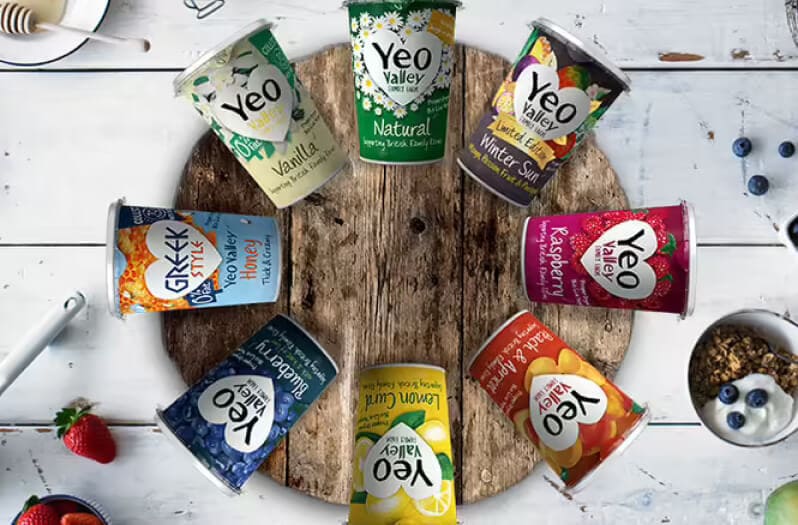
2. Yeo Valley’s Yeokens

Yeo Valley, one of the leading organic dairy brands in the U.K., launched its loyalty program Yeokens to build a close-knit community and provide an awesome reward experience.Yeo Valley’s Yeokens

The loyalty program has a token system, which customers can earn by entering special codes on products. Yeo Valley regularly hosts sweepstakes in which loyalty program members can participate by using their tokens.

Customers can spend the tokens on a wide range of benefits, starting from community events, and attractive discounts on products, to free yearly visits to Yeo Valley’s organic farms and gardens. Customers can also donate the tokens to various charities supported by the company.

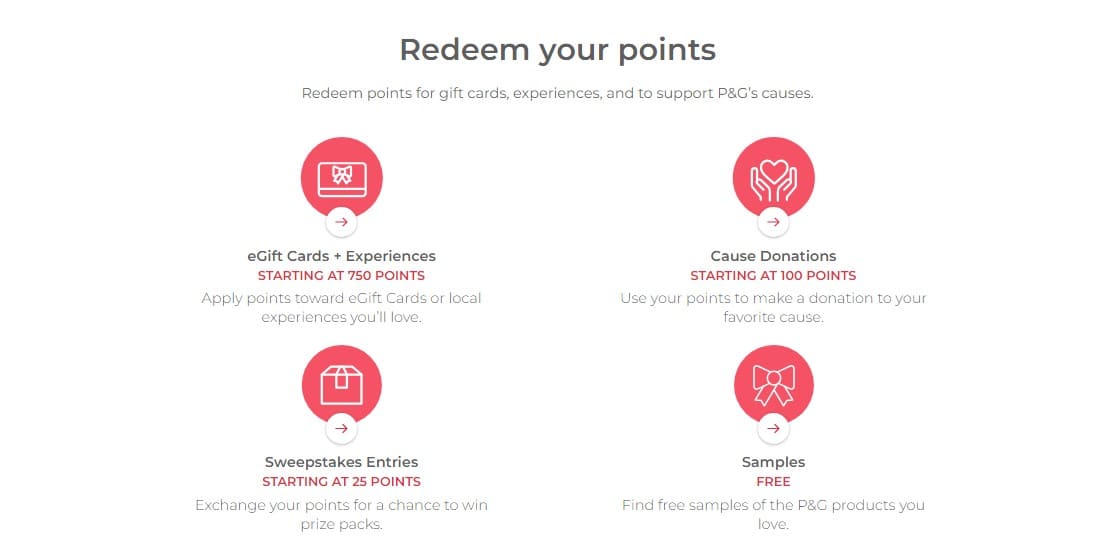
3. P&G’s Good Everyday

Cincinnati-based multinational consumer goods corporation P&G (Procter & Gamble) launched its Good Everyday loyalty program in May 2020 with a special vision—to make the world a better place and to help customers make a positive impact.

P&G Good Everyday 

The loyalty program is simple to participate in and free to sign up. By joining the loyalty program and engaging with the P&G website, customers can earn rewards and the company will donate the rewards to the charities selected by the customers.

The website also features stories about P&G’s partnerships and causes as well as various inspiring news articles. The company maintains a rotating list of charities, which ensures that its customers always find new causes to support.

In conclusion

In the CPG/FMCG sectors, a well-designed loyalty program can entice customers to try out the products on keep on buying from the brand. At LoyaltyXpert, we have the expertise and proficiency to create high-quality loyalty programs.

If you own or manage a CPG or FMCG brand, then a successful loyalty program can make a huge difference for your brand. To know more about our loyalty solutions book a free demo or contact us today.

How Loyalty Programs are Driving Growth in These Industries?

Loyalty programs have been around since ancient times. As per many historians, the inception of the most rudimentary form of loyalty programs can be traced back to Ancient Egypt, where citizens earned and exchanged wooden tokens for food and beverages.

But what’s extremely remarkable about loyalty programs is the way they’ve revolutionized a wide range of industries since they became mainstream.

Now, businesses in all industries are leveraging digital loyalty programs to retain customers and enhance their growth.

At LoyaltyXpert, we have created effective loyalty programs for various types of businesses in a wide range of industries. In this blog post, we have discussed how loyalty programs are driving growth in various industries. Read on and thank us later.

Industries for Loyalty Programs

The industries mentioned in this blog are the top ones we have seen benefit from loyalty programs

Here goes:

FMCG

Did you know that more than three-fourths of customers will favour an FMCG (Fast Moving Consumer Goods) brand that has a relevant loyalty program? FMCG is one of the oldest and largest industries in the world, and loyalty programs play a huge role in making the industry what it is today.

FMCG Loyalty Program

Here are some stats. As per recent KPMG data, more than 75% of customers said they’ll favour a brand offering attractive loyalty programs. Another study revealed that loyalty programs can enhance revenue growth by 15 to 25%.

As it is, a lot of FMCG brands are facing challenges to acquire new customers. But with rising competition and a plethora of options, many of them are finding it extremely difficult to retain their customers and get them to buy repeatedly. 

In such a scenario, the brands that have robust and well-designed loyalty programs in place are enjoying long-standing loyalty from their customers, channel partners, and influencers. Some of the most successful loyalty programs in the FMCG sector are P&G Grocery Rewards, Pepsi Nation Rewards, Nestlé Collect, and My Coke Rewards, just to name a few.

FMEG and FMCD

Like FMEG, (Fast Moving Electrical Goods) and FMCD (Fast Moving Consumer Durables) sectors have benefited a lot from loyalty programs. 

FMEG Loyalty Program

After the success of loyalty programs in the FMEG sector, businesses in the FMCD and FMEG industries designed and launched attractive loyalty programs to engage customers and drive repeat purchases.

Now, it’s impossible to think where the sector would be without loyalty programs. Let’s take a look at some of the top players in the space—Apple, Dell, LG, and Samsung—all of them have extremely strong and effective loyalty programs. 

Travel, Tourism, and Hospitality sector

Loyalty programs are more popular than ever before in the travel, tourism, and hospitality sector. Here are some stats to drive home the point. As per Google and Greenberg data, a majority of high-value travellers are motivated by loyalty programs when booking travel. Another study found that loyalty programs immensely helped several leading hotel chains increase their repeat business after the pandemic.

Travel Loyalty Program

As per a survey conducted by Catalyst, eight out of every ten travel and hospitality marketers said that their company has a loyalty program in place. Interestingly, the same study also asserted that some loyalty programs are worth more than the brands. 

Some of the best loyalty programs in the travel, tourism, and hospitality sectors are Accor Live Limitless, Alaska Airlines, Best Western Rewards, Choice Privileges, IHG Rewards, Hilton Honors, Marriott Bonvoy, and Misterb&b.

“For example, American Airlines’ passenger loyalty program advantage was valued at USD 19.5 to USD 31.5 billion, while the value of American Airlines stood at USD 6 billion.”

Paint and Coatings

In the past, the global paint industry was a highly consolidated and competitive sector. Only some paints and coatings makers enjoyed a much larger chunk of the market share. But the advent of digital loyalty programs has tipped the scales in favour of small and medium manufacturers.

Painter Loyalty Program

By creating and running unique digital loyalty programs, many new paints and coatings manufacturers could sell their products and retain a lot of their customers and channel partners.

Some of them also carved a place for themselves in the highly competitive market and created strong brand identities. 

At LoyaltyXpert, we have helped some fast-growing paints and coatings manufacturers such as Dreamwall Paints, Solo Paints, Taralac Paints, and Valli Paints. These four companies have managed to create a name for themselves in the Indian paint industry. 

For instance, Dreamwall Paints, which is one of the largest paints and coatings manufacturers in Karnataka and Maharashtra, has created strong relationships with its customers for its extremely high-quality products. 

Tirunelveli-based Solo Paints innovates eco-friendly products and provides vegetable seeds with each paint container for absolutely free.

?Suggest Read: Fully-Automated & integrated PAAS Solution redefining Loyalty Programs for Taralac Paints

Plywood, Laminates, and MDFs

The plywood, laminates, and medium-density fiberboards (MDFs) sector immensely benefited a lot from different types of loyalty programs. 

Plywood Loyalty Program

Brand and customer loyalty programs enabled plywood, laminate, and MDF manufacturers to provide their products at attractive offers and create long-standing relationships with customers. 

Using channel and influencer loyalty programs, several manufacturers engage channel partners and carpenters, who are the most important influencers in the sector.

IT and Telecom

The IT and telecom sectors have extremely sophisticated loyalty programs that provide a lot of benefits to their customers and channel partners. 

Telecommunication Loyalty Program

Effective digital loyalty programs enable IT and telecom companies to differentiate from the competition and decrease customer churn.

Suggest Read: Telecommunications Loyalty Programs: Rewards And Examples 

Taking everything into account,

Loyalty programs have transformed many industries. Most of these industries leverage digital loyalty programs not only for customers but also for channel partners and influencers.

At LoyaltyXpert, we have a proven track record of creating customer loyalty programs, channel loyalty programs, and influencer loyalty programs for businesses across industries. If you are looking for digital loyalty programs, contact us today for a free demo.

7 Mistakes to Avoid When Creating B2B Successful Loyalty Program

If we take a look at all B2B loyalty programs in the world, then we will find that some perform exceptionally well, while others are below average. But what if a large number of them belong to the latter category?

A survey conducted by Incentive Solutions revealed that more than three fourth (76.5 percent) of B2B brands said that they have a B2B loyalty program in place. However, nearly half (48 percent, to be precise) of them consider their loyalty programs to be ineffective.

There are two ways to increase the success rate of B2B loyalty programs. The first way is to do the right things. The second way is to stop doing the wrong things.

This blog post focuses on the latter and discusses the seven must-avoid mistakes for successful loyalty programs.

Avoid These 7 Mistakes When Building and Managing A Successful B2B Loyalty Program:

1. Complicating Enrollment Process

One of the biggest mistakes many B2B companies make is complicating the enrollment process of their B2B loyalty programs. Being the first step of interaction between clients and loyalty programs, the enrollment process can greatly affect a loyalty program’s success or failure. 

Apart from making it hard for members to enroll and join, some B2B businesses also have many data fields, which can raise privacy concerns and drive away interested people from filling up all the details.

To avoid that, make the enrollment process of your B2B loyalty program as easy as possible and make it easy for interested people to join your program. Also, make sure that instead of keeping too many data fields, focus on a few relevant ones, such as “Name,” “Phone Number,” and “Email Address.”

2. Not focusing on transparency of loyalty programs and fraud prevention

Many B2B brands make the mistake of not taking transparency and fraud prevention seriously. That increases the chances of loyalty fraud and malpractices. 

As per a Forter Fraud Index report, loyalty fraud increased by 89 percent y-o-y in 2021 alone.

Investing in sophisticated loyalty software and other fraud-proof technologies can help prevent loyalty fraud. Selecting a reputable and trustworthy loyalty solution provider such as LoyaltyXpert can be extremely beneficial. 

We provide several fraud-proof features, such as dual wallet, location-based reports, as well as KYC updates to prevent fraud and duplicity.

3. Lack of personalization and irrelevant rewards

If a majority of B2B rewards are not relevant for members of loyalty programs, then, no matter how much money is spent on the rewards and technology, the B2B loyalty program will not be successful. 

Because the tastes and preferences of all members will vary a lot. Some members may value experiential rewards more, some may value cash rewards more.

That’s why it’s extremely crucial to segment the members into different groups and find out what rewards hold value for them. 

As a B2B marketer or a business owner, you must personalize your rewards and incentives. Using a cutting-edge loyalty platform can help you personalize rewards and provide relevant rewards to the right members.

4. Not promoting your loyalty programs

Let’s face it; not promoting B2B loyalty programs properly is worse than not having them in the first place. That’s because, if you invest in high-quality B2B loyalty programs and don’t promote them properly, then that would be a sheer waste of time, money, and effort.

You must invest an equal, if not more, amount of time, energy, and money to promote your B2B loyalty programs than designing and creating those. 

If your target audience and prospects don’t know about your B2B loyalty programs, then you will never find the right members for your reward programs.

[pafe-template id=”10457″]

5. Complicated redemption of loyalty rewards

Many B2B brands make the mistake of complicating the redemption process in their loyalty programs. 

Sometimes, it may happen because their loyalty vendors make their B2B loyalty programs operator-friendly instead of making them member-friendly.

If your B2B loyalty rewards are hard to redeem, then they will lose their attractiveness and won’t be worth the hassle. 

A B2B loyalty program should be designed with the convenience of members (buyers and clients) in mind and not the other way around.

6. Not evaluating the B2B loyalty program regularly

Many businesses make the mistake of not evaluating their B2B loyalty program at regular intervals. That’s extremely counterintuitive. 

To know if the loyalty program is on the right track or not, it’s extremely crucial to evaluate the relevant key performance indicators (KPIs).

To know how your B2B loyalty programs are faring, you must check out the KPIs and generate real-time reports on a regular basis. That’s where analytics and reporting features in sophisticated loyalty software can help a lot.

7. Using only transactional rewards

Many B2B companies make the mistake of rewarding only transactional activities. By doing so, they overlook the potential for intrinsic motivation and forego many valuable touchpoints. It not only fails B2B loyalty programs but also harms a business’s overall performance.

Studies indicate that more than three fourth of B2B loyalty programs, particularly channel loyalty programs, which solely use transactional rewards fail within the first two years of launch. Make sure that you look beyond transactional rewards and include relational and intrinsic rewards.

All in all,

Running and managing B2B loyalty programs isn’t a difficult and expensive affair. But some mistakes can prove to be extremely hazardous and thwart all the time, money, and effort invested in the programs. This blog post touches upon seven mistakes that every B2B marketer and entrepreneur should avoid.

At LoyaltyXpert, we have created advanced and effective B2B loyalty programs for many national and international B2B businesses of various sizes. We also make sure that our loyalty software works as efficiently as possible so that there is no room for any mistakes. If you’re curious to know how to error-proof your B2B loyalty programs, contact our team of loyalty experts to book a free demo.

How Referral Programs Can Help You Build Brand Loyalty?

In the present time, businesses use a lot of marketing strategies to acquire customers. Some of them spend heavily on traditional advertising and marketing campaigns. Some of them use a wide range of digital marketing techniques. And some leverage the power of peer recommendations to attract new customers and retain existing ones.

The last type of marketing strategy is known as customer referral. As per various data and studies, referral programs are extremely effective and profitable compared to all other types of marketing strategies. For instance, did you know that a referred customer is 18 percent more loyal compared to a customer acquired by other means?

That’s just the tip of the iceberg. Referred customers bring 25 percent more profit margins, and they’re four times more likely to refer more customers compared to customers acquired from other methods. This blog post discusses the benefits of referral programs and how the right referral program can build brand loyalty. Read on to gain valuable insights.

Benefits of Referral Programs

As Facebook’s founder Mark Zuckerberg rightly said, “Nothing influences people more than a recommendation from a trusted friend.” When it comes to marketing and advertising, nothing comes close to high-quality referrals. Here are some benefits of referral loyalty programs:

1. Increase in Customer Retention Rate

A study found that referred customers have a 37 percent higher retention rate compared to customers acquired by other means. As per another data, 81 percent of customers acquired from referrals are more likely to engage with brands than customers acquired by other means.

2. Starting a Virtuous Cycle

In referral programs, existing customers get rewarded when they recommend new customers and the latter receive incentives on their first purchase. It sets off a virtuous cycle, where more existing customers are motivated to refer new customers and new customers are willing to buy and refer more customers.

3. More Leads and Expanded Network

As per the latest data, referral leads convert 30 percent better than leads generated from other marketing channels. Another stat reveals that four out of every five marketers, sales leaders, and frontlines sales representatives agree that their referral marketing programs yield the best leads. As referral loyalty programs provide access to a wider circle of customers’ friends and family, it enhances the potential of generating better quality leads.

4. Achieve High Customer Lifetime Value

As per a study, customers acquired through referral programs have a 16 percent higher lifetime value. When a majority of customers trust the recommendations from their family or friends and have a positive opinion about a brand, they are more likely to stick with it, make frequent repeat purchases, and have a higher lifetime value.

[pafe-template id=”10457″]

5. Enhanced Brand Awareness And Reach

Referral programs can help to spread the word about a business and its products or services. By encouraging customers to share their experiences with friends and family, businesses can quickly build a loyal base of customers and increase brand awareness as well as brand reach.

6. Cost-Effective And High ROI

Did you know that referral programs can offer up to 15 times the return on investment (ROI)? A recent study revealed that some brands had an average incentive of USD 50 per referral and they collectively spent a little more than USD 34,000 to generate revenue of over USD 496,000. The return is almost 14.6 times the investment!

7. Better Social Proof And Social Media Engagement 

Referral programs can enhance social media engagement as well as social proof. As per a study conducted by Olapic and Cite Research, more than a third of participants who follow brands on social media said that they like to view the content of people who use the brand. The content can be product demos, reviews, and unboxing videos.

8. Superior Customer Insights

High-quality referral programs can provide valuable customer insights. By monitoring referrals closely, you can know more about your customers and understand what they want from your brand. A sophisticated loyalty platform can provide you with the right analytics and reporting tools to keep an eye on your referral program.

9. Enhanced Customer Service And Customer Satisfaction

By offering rewards for every referral, you can enhance customer service as well as customer satisfaction. It can also help you create a close-knit community of customers and influencers, which can help in boosting customer service.

On The Whole

Referral programs are extremely effective for businesses to get high-quality customers who have a positive brand opinion and are more likely to stick for a long time. Referral programs also offer a lot more benefits to businesses in the form of high ROI, superior customer insights, and enhanced brand awareness and reach, just to name a few.

At LoyaltyXpert, we have created a lot of high-quality referral programs for a wide range of businesses across industries. If you are considering creating sophisticated referral programs, then contact us today to get in touch with our team of loyalty experts and get a free demo.

Automated Loyalty Programs: Benefits and Tips For 2023 and Beyond

When the concept of modern loyalty programs first began in the 18th century, it entailed manual disbursal of rewards, coupons, and tokens. It also involved manual record-keeping of the collection and allocation of rewards. When a business deals with just a handful of customers, it may not seem like a big deal. But when it deals with hundreds or thousands of customers, running and managing loyalty programs manually can be a nightmare.

The advent of automated loyalty programs in the late 1980s came as a boon for many contemporary businesses. It not only automated various processes but also eliminated various inefficiencies associated with manual reward programs.

This blog post discusses several benefits of automated loyalty programs and some useful tips that’ll help you create effective loyalty programs for your business. Read on and thank us later.

Benefits of Automated Loyalty Programs

As automated loyalty programs require no manual intervention in terms of operation and management, they offer a wide range of benefits. Here are some of them.

1. Time-saving

In business, time is more valuable than money. Automating loyalty programs will enable you to save a lot of time on manual tasks. The time saved can be used in more productive activities, such as:

  • Designing new products
  • Creating more innovative loyalty strategies
  • Focusing more on sales and marketing campaigns

2. Minimum errors

Manual tasks not only consume a lot of time but also are more prone to human errors. After all, as the saying goes, “To err is human.” But automating loyalty programs minimize the chances of human errors and enhances efficiency.

3. Cost reduction

Now, by costs, we don’t mean the “time is money” adage. Of course, you save a lot of time by automating loyalty programs. Hence, you save a lot of time as well. But you also save a lot of operating costs. Come to think of it, you will need to have dedicated staff to manage loyalty programs manually. You will also save on several other costs such as stationery bills and storage space, which may look insignificant in the beginning but can snowball over time.

4. Fraud detection and elimination

Let’s face it: loyalty frauds are a huge concern for businesses all around the globe. As per a Forter Fraud Index report, loyalty program frauds have increased by 89 percent year-on-year in 2021. Many brands are levelling up their loyalty technologies and taking every possible step to detect and eliminate fraud. In such a scenario, running and managing loyalty programs manually is akin to battling heavily armed mercenaries with sticks and stones. Manual loyalty programs are more susceptible to fraud compared to their automated counterparts. But choosing a reliable and sophisticated loyalty program platform can help you identify loyalty fraud on time and take a step to get rid of it.

5. Easy collection and syncing of customer data

Automated loyalty programs make the collection of customer data extremely easy. While enrolling in automated loyalty programs, customers will have to fill in relevant personal information such as:

  • Name
  • Age
  • Gender
  • Geographic location
  • As well as, some other demographic information

An Accenture survey found that 83 percent of customers are willing to share their data with brands if they receive personalized experiences. You can communicate the same in your loyalty platform and use the data to provide personalized experiences to your customers. Apart from that, automated loyalty programs also enable easy integration of customer data across your tech stack.

6. Collect reviews and social proofs

In business, non-paid reviews and recommendations play a huge role in influencing purchasing decisions. Various studies have found that a majority of customers trust word-of-mouth reviews and recommendations from their friends and family. This is where automated loyalty programs can help businesses collect customer reviews and social proof.

Automated loyalty programs make it extremely easy for customers to leave reviews. The automated platform can be easily integrated into customers’ online shopping process. It will enable them to review and rate the products and services. By leveraging automated loyalty programs, you can send reminders to customers to rate their purchases and leave reviews. This makes the process of leaving social proofs and reviews extremely efficient.

? Suggestion Read: Robust, Fully Automated, And Cost-Effective Loyalty Program For Digisol

Tips For Creating Automated Loyalty Programs

In the digital age, creating an automated loyalty program or automating an existing one is extremely easy. You just need to have a clear goal and the right tools. Here are some useful tips to get you started.

1. Determine your purpose

Before creating an automated loyalty program, determine your purpose. Why do you want to automate your loyalty program? If you don’t have one already, find out why you want to create one in the first place. Is it to retain more of your existing customers? Is it to save time and money? Is it to prevent loyalty fraud? Or is it a mix of all? Once you find the answers to the questions, you will be clear about what features and tech you need in your loyalty platform.

2. Choose between in-house and hiring an expert

If you want to create an automated loyalty program, you have two options. The first is to build it from the ground up in-house. Even though it gives you total control, it’s quite expensive and can take a long time to see the results. The second option is to leave it to an expert with years of experience in designing and creating high-quality and cutting-edge automated loyalty programs. It’s far more cost-effective and can give you faster results once you select the right service provider.

3. Select a reputable and trustworthy loyalty software provider

Choosing the right loyalty software can automate and structure your loyalty programs and enable your customers to earn and redeem their rewards quite effortlessly. That’s where selecting a reputable and reliable loyalty solution provider with years of experience can make all the difference. The best way to find a reliable loyalty solution provider is to search the web and compare the offerings, prices, and reviews of various loyalty software providers. Some of them provide free demos, which will make it easier for you to use the software for a while and make an informed decision.

4. Add rewards, create tiers, and monitor real-time analytics

After partnering with a loyalty software provider, you will have your platform ready as per your specifications and requirements. After that, you just need to market your loyalty program, add several rewards, and create various tiers for your members. After doing that, you just have to manage your program and see if it is getting you the desired results. The real-time analytics and reports will keep you updated and keep an eye on various aspects of your reward program.

In sum

As the name suggests, automated loyalty programs are digital loyalty programs that don’t need any manual intervention to run and manage loyalty rewards. By automating your loyalty programs, you can save a lot of time, eliminate human errors, reduce operating costs, detect and prevent loyalty fraud, collect and sync customer data, and garner reviews and social proofs.

At LoyaltyXpert, we have helped many businesses around the world automate their loyalty programs. If you want to automate your existing loyalty programs or create brand-new automated rewards programs, then contact us to book a free demo today.

7 Reasons Why Your B2B Businesses Needs A Loyalty Program

The loyalty of customers and business partners is critical to the survival and success of every business. For B2C companies, the loyalty of customers is indispensable for their growth and sustenance. For B2B companies, the loyalty of their clients and channel partners can make all the difference between success and failure.

In the B2B space, the potential to leverage loyalty programs is much higher than in the B2C space. Corporate clients and B2B buyers purchase in bulk quantities and spend much more money compared to individual customers. But despite that, many traditional B2B businesses fail to tap the potential of loyalty programs.

This blog post discusses seven reasons why B2B businesses must focus on creating and running effective loyalty programs as much as B2C companies, if not more. Read on to know the seven reasons why B2B companies must have well-designed loyalty programs in place.

Here are seven reasons why B2B businesses can benefit from a loyalty program:

1. Enhance retention

The very purpose of a loyalty program is to make customers and business partners stick with a brand. B2B loyalty programs do just that. Various studies have shown that buyers spend more and make repeat purchases when part of a brand’s loyalty program. B2B buyers and corporate clients are no different.

Enhance Retention

Another thing that B2B loyalty programs do effectively is that they help in closing the loop on customer feedback. As per recent data, B2B companies that close the loop on all customer feedback enhanced their retention rates by 8.5 percent.

2. Differentiate your loyalty programs

A joint study conducted by Google and CEB found that 86 percent of B2B companies found no considerable difference between competing businesses’ products. When products aren’t differentiated, it can be difficult to communicate a competitive advantage.

Differentiate your loyalty programs

As per B2B International, four out of every five B2B buyers don’t prioritize price when making a buying decision. That means when B2B companies position price as their unique selling proposition (USP) and compete with each other on prices then they don’t appeal to most B2B companies. 

That’s why B2B companies need to differentiate their loyalty programs and be extremely targeted in their marketing endeavors to attract buyers.

 3. Enhance customer engagement

Customer engagement is one of the major objectives of loyalty programs. When B2B companies design effective loyalty programs, they manage to engage clients and win their loyalty. 

A study conducted by B2B International found that when B2B companies have well-defined and high-quality loyalty programs in place then a majority of clients are fully engaged.

Enhance customer engagement

Right B2B loyalty programs such as tiered incentives enhance customer engagement right from the very beginning and encourage clients and business partners to buy more. After engaging customers, B2B loyalty programs build robust relationships with customers and create a strong sense of belongingness.

4. Enhanced profit margins

As per a study conducted by Forrester Research, a mere two percent increase in customer retention has the same effect on profits as a 10 percent cost cut. According to another study, increasing the retention rate by five percent can enhance profitability by 20 to 125 percent!

Enhanced profit margins

As B2B loyalty programs enhance customer retention, they also have a huge impact on a business’s profit margins. Apart from profit margins, B2B rewards programs contribute to a 30 percent growth in market share as well as a 32 percent increase in total revenue.

[pafe-template id=”10457″]

5. To collect data and customize rewards

B2B loyalty programs are a goldmine of valuable data. Leveraging data effectively can enable B2B companies to understand their clients better and create more tailored and relevant rewards and experiences for them.

To collect data and customize rewards

A Dimensional Research survey, in which many B2B marketers participated, revealed that seven out of every ten respondents said that they leverage historical information, big data, and predictive analytics to enhance their marketing effectiveness.

6. Referrals

Did you know that recommendations from friends and peers influence over 90 percent of B2B buying decisions? And did you know that nearly 85 percent of B2B buyers start the purchasing process with a referral?

Referrals

Referrals are extremely crucial for B2B companies. By having a strong B2B loyalty program in place, you can encourage and motivate your channel partners and prospects to engage with your brand.

7. Enhance average customer lifetime value (LTV)

Customer lifetime value is the worth of a customer to a business over a specific period. If you keep a customer for a long time or reduce the customer churn rate and make them buy repeatedly, then the average customer lifetime value increases.

Enhance Customer Lifetime value

B2B loyalty programs can greatly enhance the lifetime value of channel partners and clients. Increased customer retention, engagement, and referrals lead to increased customer lifetime value.

By and large

Well-designed B2B loyalty programs are extremely valuable for B2B companies. Apart from forging robust relationships between B2B brands and their clients, they can enhance retention, engagement, profitability, and more.

At LoyaltyXpert, we have created well-crafted and high-quality B2B loyalty programs and channel loyalty programs for many B2B brands. We have also helped them retain and engage more B2B buyers and business partners as well as register higher sales and revenue. If you are looking for a reputable and trustworthy B2B loyalty solution provider, contact us today to know how we can help or to book a free demo.